How V-16 Lights Work and the Data Exposure Issue
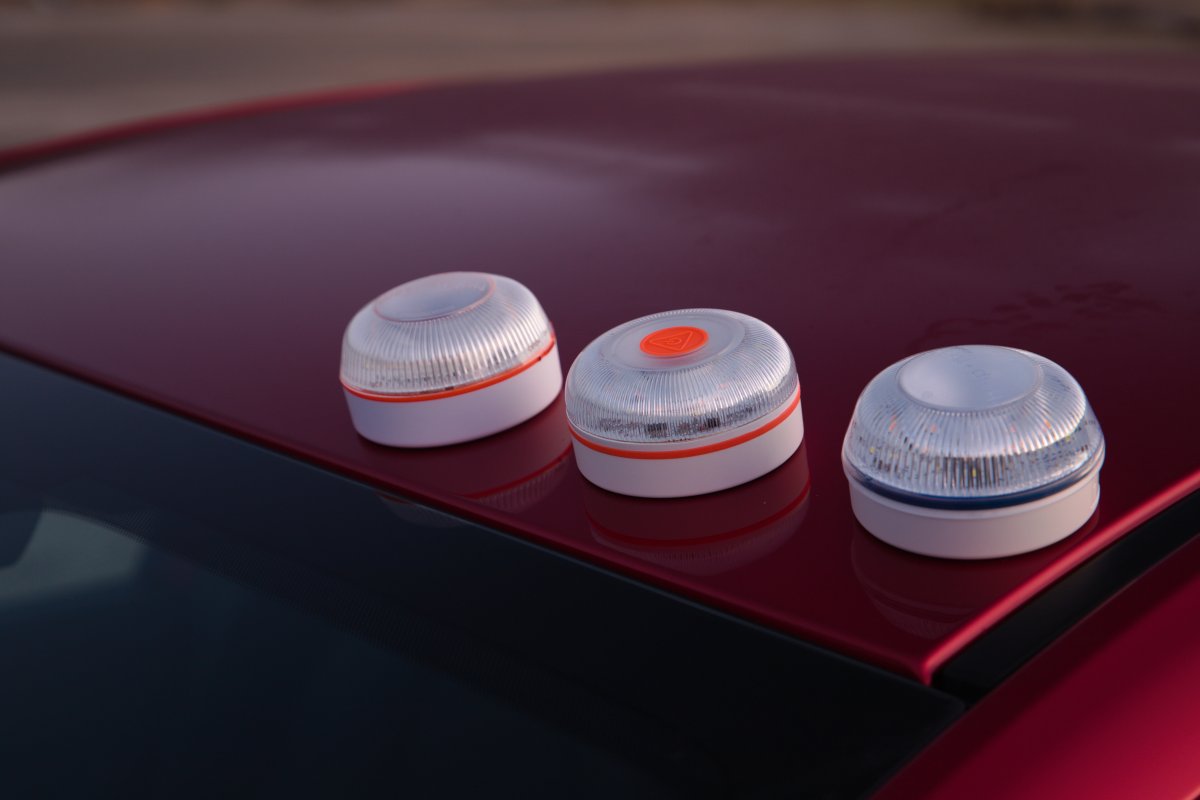
According to new regulations from Spain’s General Directorate of Traffic (DGT), all vehicles must be equipped with a connected V-16 emergency light starting in 2026, replacing the traditional warning triangles. When activated, the device automatically sends its real-time geographic coordinates to the DGT’s central data platform. The DGT’s intention was to integrate this data into major navigation apps like Google Maps and Waze to promptly alert other drivers to accidents or obstacles ahead, thus preventing secondary collisions.
However, a recent investigation has revealed that this location data, which was supposed to be used only for traffic alerts, has been acquired by several third-party websites to create a public ‘real-time incident map.’ These platforms allow anyone to view the live locations of all vehicles in distress throughout Spain, with a precision comparable to that of commercial map applications.
Public Concerns: Privacy Breaches and Personal Safety Risks
The public availability of this precise location data has sparked widespread anxiety among drivers. The main concern is that it provides a convenient tool for ‘pirate tow trucks’ (Grúas pirata) and criminals. They can use this real-time public data to find and approach broken-down vehicles faster than official roadside assistance services. With drivers in a vulnerable and anxious state, these individuals could perpetrate scams with exorbitant towing fees or even engage in more severe criminal activities like robbery.
Furthermore, some drivers have reported that the V-16 light’s visibility is less effective than a traditional warning triangle in daylight or under complex road conditions (such as on curves or at the crest of a hill). Its main advantage appears to be its geolocation capability—the very feature at the heart of the current safety debate.
Response from Officials and Industry Associations
In response to the controversy, Mario Arnaldo, president of a major Spanish motorists’ association, has publicly stated that despite the risks, the benefits of sharing this information far outweigh the disadvantages. He believes that real-time location sharing can effectively reduce secondary accidents caused by breakdowns and ease traffic congestion, contributing significantly to overall road safety. He also advised drivers that legitimate assistance companies will provide details such as the tow truck’s license plate number by phone before arrival. Drivers should carefully verify the identity of the service upon arrival and strengthen their personal safety measures.
Policy Transition Period and Advice for Drivers
Currently, the DGT is in a policy transition period and has not yet started issuing mandatory fines for drivers not using the connected V-16 light, but this grace period is coming to an end. All drivers, especially those driving at night or in remote areas, are advised to be extremely cautious after their vehicle breaks down and they activate the V-16 light. While waiting for official or pre-arranged assistance, they should lock their car doors and refuse help from any unsolicited individuals or tow services that approach them to ensure their personal and financial security.
