The Immigrant Perspective: A Challenging Path to Employment
According to a report by the Smart Regulation Forum (Foro Regulación Inteligente, FRI), the immigrant labor market in Spain is fraught with contradictions. As of October 2025, Spain’s total population reached 49.4 million, with 9.8 million being foreign-born. Against this backdrop, a staggering 57.2% of foreign respondents described finding a job in Spain as “difficult” or “very difficult.”
The factors contributing to this difficulty are diverse. The top five obstacles most frequently cited by immigrants are a “lack of legal documents” (21.6%), “lack of trust” (20.4%), a “lack of a personal network” (20.2%), “language barriers” (19.8%), and “complex administrative bureaucracy” (18%). Overall, 66.8% of immigrants reported having encountered difficulties with administrative procedures.
The Employer’s Dilemma: High Praise and Hiring Barriers Coexist
From the employers’ perspective, the performance of immigrant employees is highly rated. 87% of business owners and self-employed individuals consider their performance “positive” or “very positive.”
However, this high approval does not fully translate into a smooth hiring process. 33% of employers still find hiring foreign labor “difficult” or “very difficult.” The main obstacles they face include an “insufficient number of suitable candidates” (23%), “language issues” (22%), and “cumbersome administrative procedures” (20%). Notably, a significant 63% of employers admit to having abandoned the hiring of a foreign worker due to administrative or procedural reasons, directly causing a mismatch between labor supply and demand.
Administrative Hurdles: Regulations Blamed for Hindering Labor Integration
Current regulations are clearly identified by the survey as a core issue obstructing immigrant employment. 75% of employers believe that existing laws create too many barriers to hiring foreign labor, while only 25% think the laws are helpful. This view corroborates the experiences of immigrants who face job search obstacles due to documentation and procedural issues.
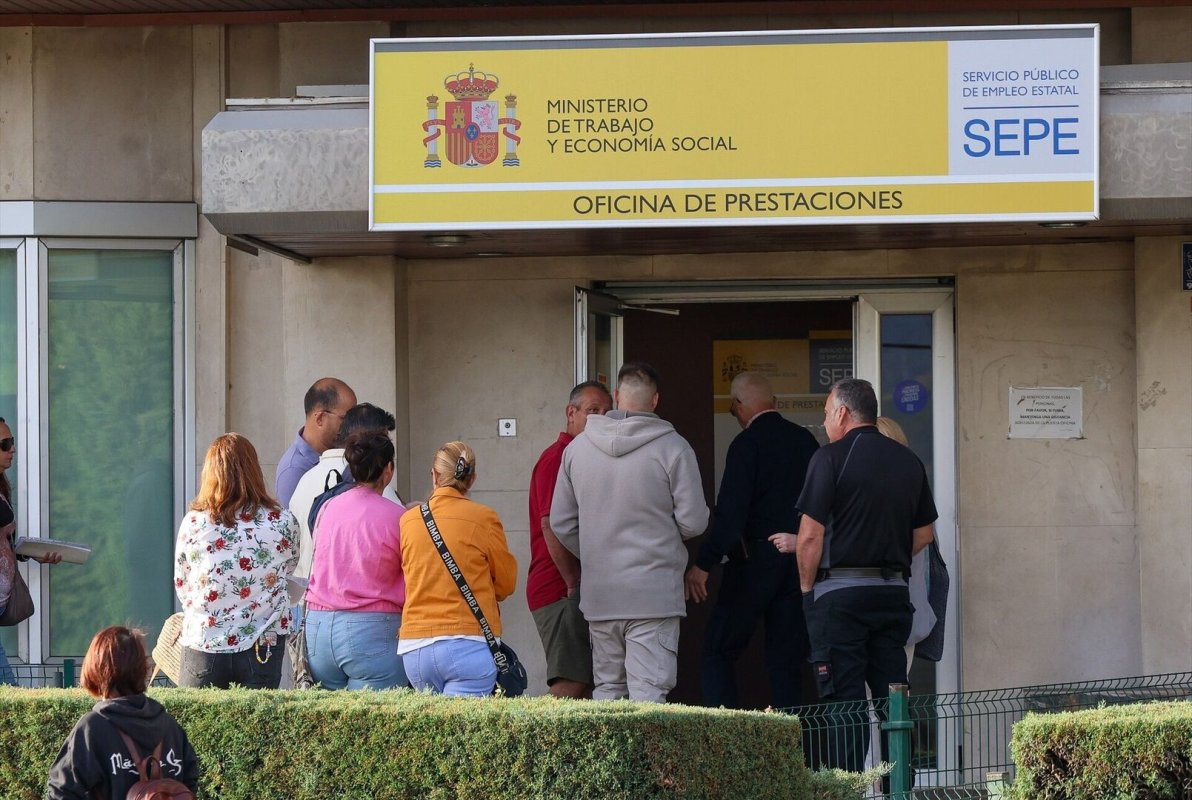
The long processing times for residence permits are a concrete example of these administrative barriers. For instance, data from the Madrid region in January 2026 showed that some initial applications for social integration residency (arraigo social) were only being processed up to June 2025. Such delays directly affect immigrants’ ability to obtain legal work status, exacerbating the structural paradoxes in the job market.
A Contradictory Workplace Experience: Fair Treatment and Discrimination Coexist
Despite the arduous job search process, immigrants who successfully enter the workforce generally report a positive workplace experience. 83.8% of respondents stated they are treated fairly “always” or “almost always” at work, and 45.4% gave their employment experience a positive rating.
However, discrimination remains an issue. Data shows that 57.4% of immigrants have never experienced discrimination at work, but 33.6% reported experiencing it “occasionally,” while another 9% claimed to face it “frequently.” This indicates that while the overall level of integration in the Spanish workplace is high, there is still room for improvement.
