Competitive Pressure in the Age of Capital
In recent years, the competitive landscape of European football has been reshaped by capital. Facing clubs in leagues like the Premier League, backed by sovereign wealth funds or large investment groups, Real Madrid, despite its financial health, finds its traditional member-owned model has inherent limitations in terms of financing flexibility and the pace of commercial expansion. The proposal reportedly under discussion is not a full privatization. Instead, it involves opening up a 5% to 10% stake to external investors through a commercial entity, while the members (socios) retain absolute control. This move is seen as a pragmatic measure to enhance the club’s long-term resilience and competitiveness in response to current pressures.
Decision-Making Power Remains with the Members
Unlike most clubs controlled by a single owner, the ultimate decision-making power for any fundamental change to Real Madrid’s statutes lies with its members (socios). Any proposal to reform the ownership structure must be submitted to the General Assembly of Members’ Representatives for a vote. Legally, the move is technically feasible as long as the plan complies with Spanish law, guarantees the members’ core control, and follows legal procedures. Therefore, the real key to whether the reform can proceed lies not in the board’s will, but in its ability to achieve a broad consensus among the members.
The Core Controversy: Cultural Identity
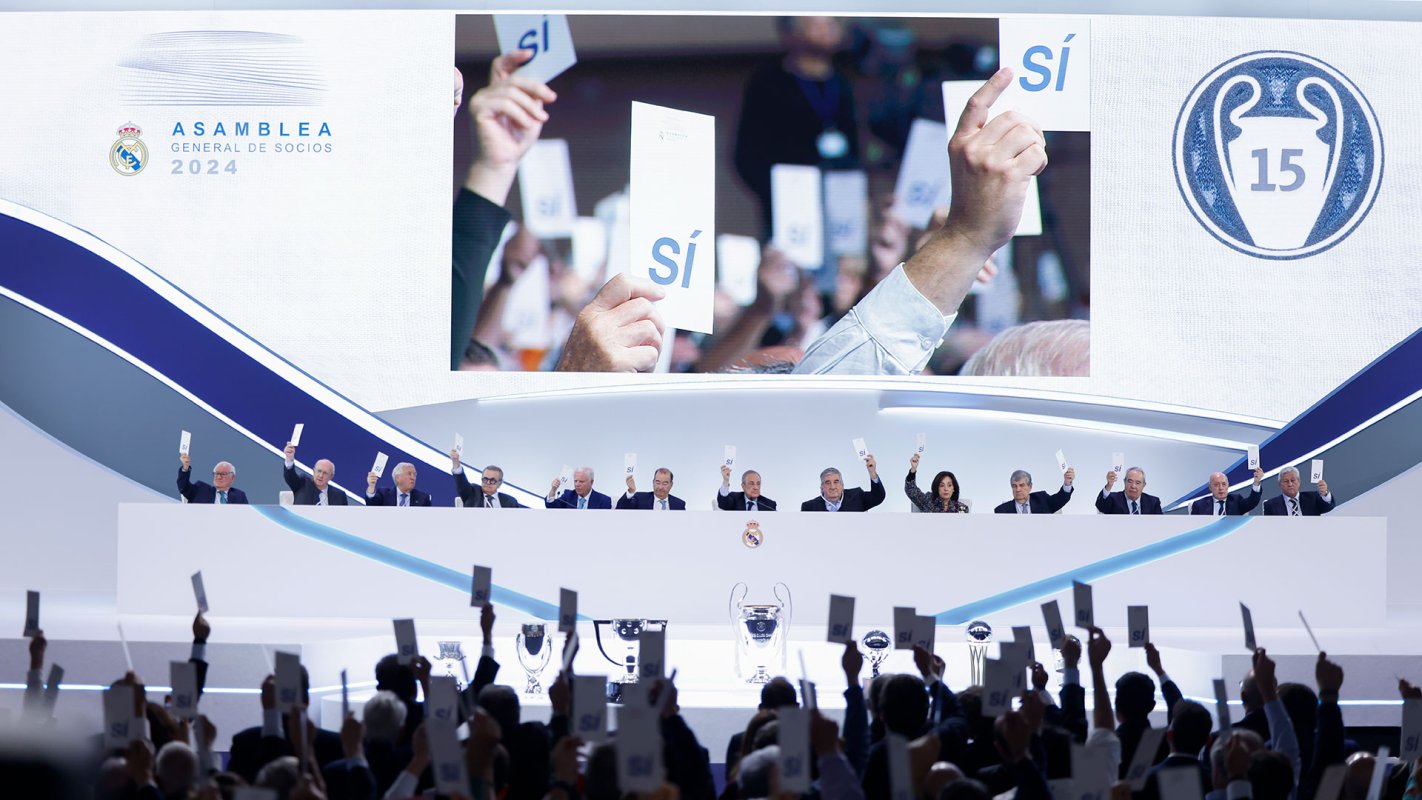
The essence of this controversy is not about the specific percentage of shares or the use of funds, but about the club’s cultural roots and symbolic meaning. For Real Madrid, the member-owned model is more than just a governance structure; it’s a cultural identity deeply embedded in its history—the members are the ‘owners,’ and the club is a social entity, not a commodity for sale. Introducing the concept of ‘shares,’ even a minority, means the end of the club’s history of being ‘100% owned by its members.’ Many traditionalists worry this could open the door for commercial logic to erode the club’s spiritual core, demoting the role of members from ‘owners’ to ‘consumers.’
A Microcosm of Spanish Football
The dilemma facing Real Madrid is a microcosm of the predicament of Spanish football as a whole within the current globalized and highly financialized sports industry. Finding a balance between upholding traditional identity and adapting to modern commercial competition is a common challenge for La Liga and its clubs. While it remains uncertain whether Real Madrid will take this historic step, the debate itself shows that even the most successful member-owned club cannot remain entirely insulated from the tides of change.
