Background: The Birth of the “Equity Thermometer”
On March 23, Spain’s “National Day for Conciliation and Co-responsibility,” the findings of a study called the “Equity Thermometer” (Termómetro de la Equidad) were released. The tool was developed by Laura Sagnier, a researcher and equality activist with over 30 years of experience in market intelligence. It aims to objectively measure the fairness of responsibility distribution among cohabiting couples in areas like paid work, unpaid domestic labor, and family care. The ultimate goal of the project is to raise social awareness that equity within the home is the foundation for achieving equal opportunities for men and women in society at large. To date, nearly 4,900 couples from 24 countries have completed this test.
Core Data: The State of Equality in Spanish Partnerships
The survey results show that in Spain, only 31.34% of relationships are rated as “equal.” This figure is nearly identical to the overall average of 30% across the 24 countries surveyed. In “unequal” relationships, the gender disparity is particularly stark: cases where women contribute more (51%) are almost three times as common as those where men contribute more (19%). This indicates that in the vast majority of unequal partnerships, it is the woman who bears the heavier burden.
Imbalanced Responsibilities: The Division of Unpaid Labor and Paid Work
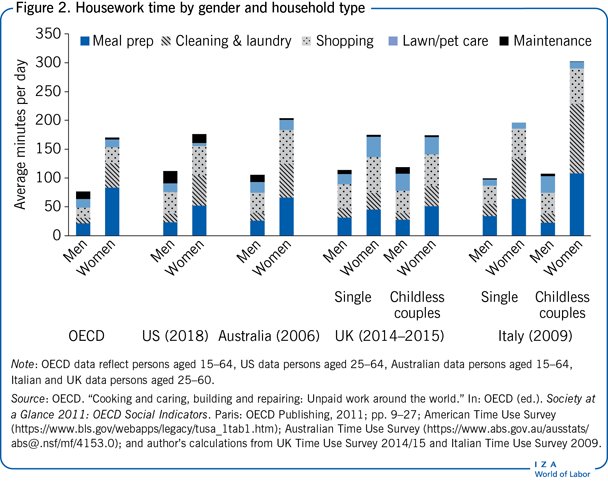
The data further breaks down the specific distribution of responsibilities. In the realm of unpaid labor, women shoulder the vast majority of tasks, including an average of 58% of household chores, 60% of childcare and education, and a staggering 67% of the “mental load”—the invisible labor of thinking about and planning daily family affairs. In contrast, men take on more responsibility in paid work, accounting for 55% compared to women’s 45%. This pattern clearly reflects that traditional gender roles remain prevalent in modern households.
A Positive Sign: Younger Couples Trend Towards More Equality
Despite the sobering overall figures, the study also identifies some positive trends. The data shows a negative correlation between a partnership’s level of equality and the length of time the couple has lived together. Among couples who have cohabited for less than 5 years, 32% have an equal relationship. This percentage drops to 29% for couples living together for 5 to 20 years, and to just 26% for those cohabiting for over 20 years. This may suggest that, with the evolution of social attitudes, the younger generation is placing a greater emphasis on the equitable sharing of responsibilities when establishing their family relationships.
