To advance housing modernization and energy efficiency nationwide, the Spanish government has officially launched a comprehensive financial support program starting in 2026. This initiative is part of the €7 billion ‘2026–2030 National Housing Plan’ and aims to encourage homeowners to undertake energy-efficient renovations through direct subsidies, tax incentives, and other measures, ultimately lowering living costs and enhancing living conditions.
Direct Grants: Tiered Based on Energy Savings
One of the core measures of this program is the direct cash grants managed by Spain’s Autonomous Communities. The grant amount is directly tied to the energy savings achieved by the renovation, and is divided into three tiers:
- Basic Energy Savings: If the renovation reduces primary energy consumption by 30% to 45%, homeowners can receive a grant of up to €6,300, covering 40% of the project cost.
- Moderate Energy Savings: When energy consumption is reduced by 46% to 60%, the grant cap increases to €11,600, covering up to 65% of the project cost.
- High Energy Savings: For deep renovations achieving over 61% in energy savings, the maximum grant can reach €18,800, covering up to 80% of the cost.
Furthermore, the policy provides special support for economically vulnerable households, who can receive a maximum grant of up to €21,400.
Tax Incentives: Extending and Expanding IRPF Deductions
Another key incentive is the personal income tax (IRPF) deduction. The tax credit for energy-efficient renovations, originally scheduled to expire in 2025, has been extended to 2026. Depending on the scope of the renovation, homeowners can claim varying deduction amounts on their annual tax returns:
- Minor Renovations (reducing heating and cooling energy demand by 7%) are eligible for a 20% tax deduction, capped at €1,000.
- Significant Renovations (reducing non-renewable primary energy consumption by 30% or achieving an energy performance rating of A or B) qualify for a 40% deduction, with a cap of €3,000.
- For complete building renovations, the deduction can be as high as 60%, with a maximum of €9,000.
EU Funds: NextGenerationEU Supporting Deep Renovations
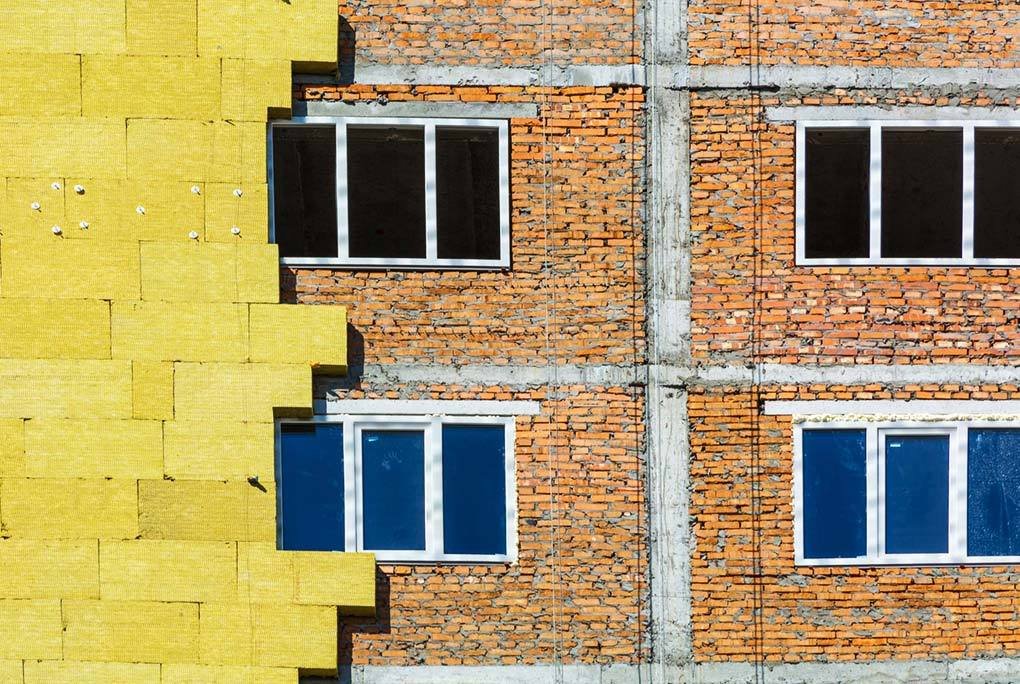
A third source of funding comes from the European Union’s “NextGenerationEU” recovery fund. Homeowners can apply for these funds through local “Renovation Offices” (Oficinas de Rehabilitación) to support their projects. The fund offers subsidies covering 40% to 80% of the project cost. A significant advantage of this aid is that it is not considered taxable income, meaning recipients do not have to pay personal income tax (IRPF) on the grant, further easing their financial load.
In addition to these three national-level programs, individual Autonomous Communities may also offer their own supplementary grants to support specific projects, such as the installation of solar panels, accessibility improvements, or the removal of asbestos.
