The Valencia City Council’s Urban Planning department is taking decisive action to revitalize long-stagnant land resources within the city. By reactivating the registry of vacant lots, the government has identified 150 derelict plots and issued a final ultimatum to their owners, aiming to ease housing pressure and enhance the urban environment.
City-Wide Audit and Policy Tools
The City Council’s action extends across the entire city, with 150 plots officially listed. According to current law, the government has the authority to compel owners to fulfill their development obligations outlined in the urban plan. If owners do not take action within the given deadline, the council will initiate legal procedures, with options including a forced public auction, the sale of the land to an interested third-party developer, or, under specific circumstances, direct expropriation.
The Complex Dilemma of Downtown Plots
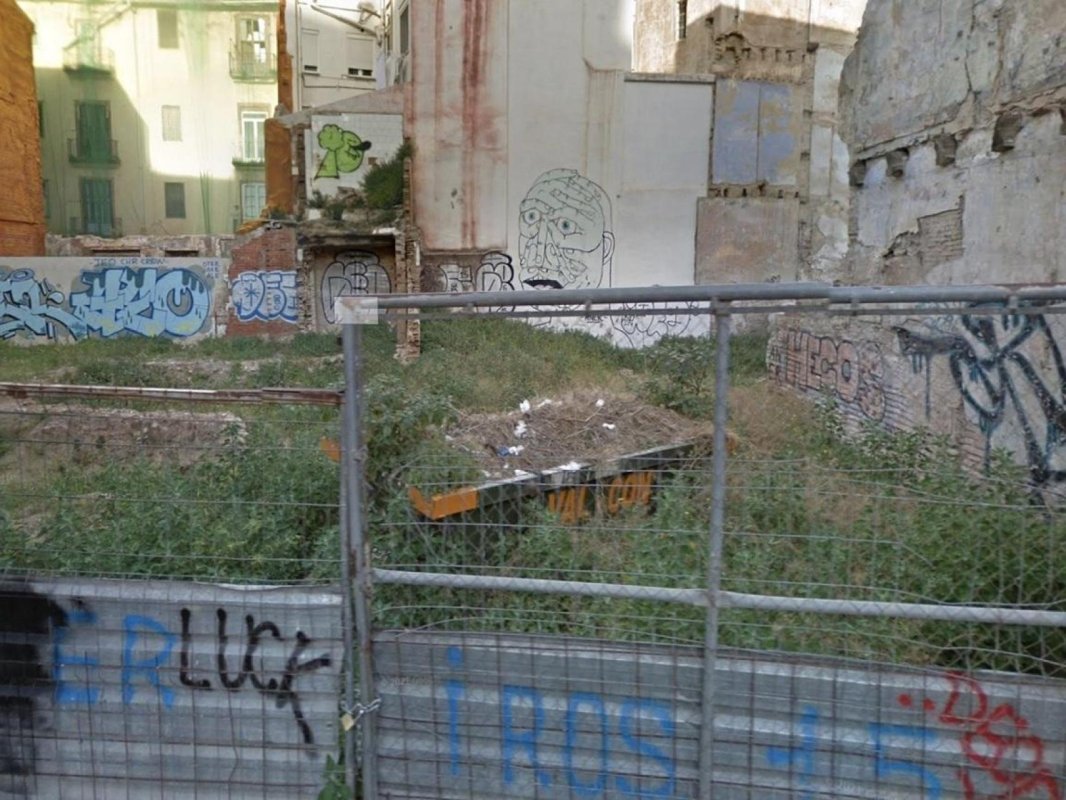
In the city center, many vacant plots occupy prime locations, such as on Calle Maldonado, adjacent to landmarks like the Central Market and the Silk Exchange (La Lonja de la Seda). The reasons for their long-term undevelopment are complex, ranging from inheritance disputes and a lack of developer interest due to small plot sizes, to complicated approval processes involving potential archaeological remains underground (like the ancient Arab wall). Currently, about half of these premium plots are being used as temporary parking lots, some for more than twenty years, causing a severe waste of land resources and creating sanitation issues.
Planning for Suburban and Special Plots
In the city’s outer areas, like Avenida Baleares, the Patraix district, and near the Nou Mestalla stadium, the vacant plots are typically larger. These are often zoned for public amenities such as educational or medical facilities, but most have become informal parking areas. The council acknowledges this offers short-term parking relief but considers long-term neglect unsustainable. For smaller plots that are unfeasible for standalone development due to size or heritage constraints, the government plans to negotiate compensation with owners under urban renewal initiatives, converting them into public spaces like green areas to enhance the community’s environment.
