The Spanish real estate market is facing a critical test, with prices remaining persistently high, sparking widespread concern about the market’s direction through 2026. Experts from institutions like Fotocasa and Trioteca analyze that the core issue is a structural supply-demand imbalance, making a significant price drop unlikely in the short term.
Soaring Demand: Driven by Multiple Factors
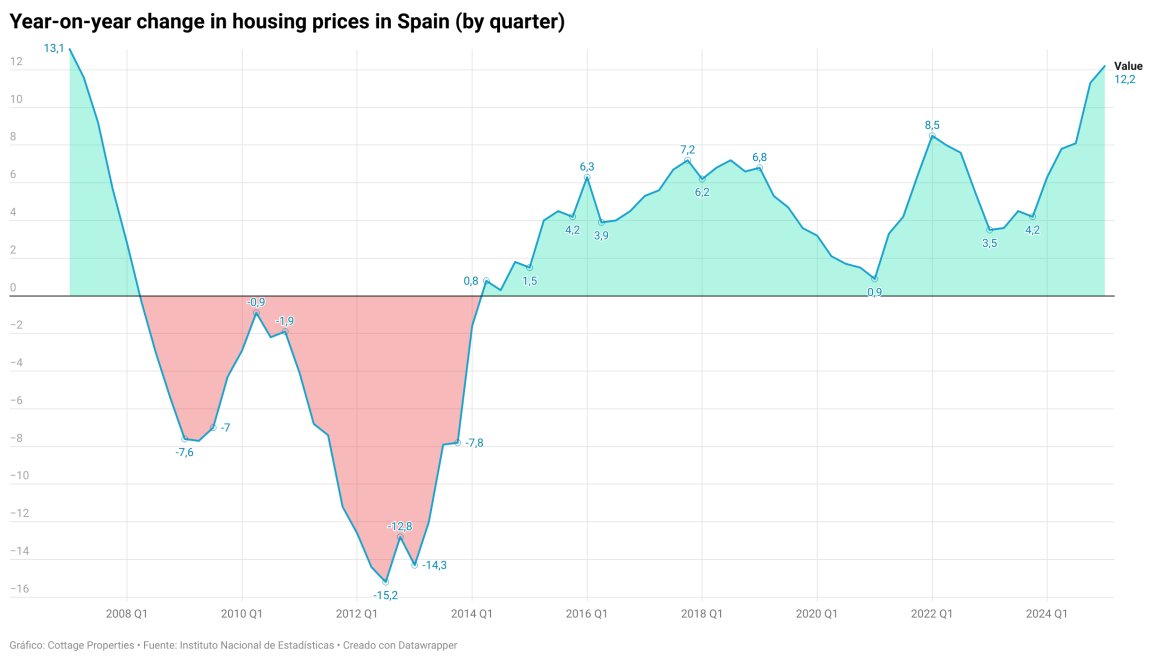
Strong demand is the primary driver pushing up prices. According to data from the real estate platform Fotocasa, Spain’s annual house price growth has reached approximately 17%, the highest in two decades. This demand surge is composed of several factors: first, the influx of about 500,000 new immigrants last year directly expanded the need for housing; second, significant societal shifts have seen the number of single-person households nearly double from 4 million to almost 8 million over the past decade. Furthermore, Ricard Garriga, General Manager of Trioteca, points out that the number of mortgages has grown by nearly 25% in the last year, while foreign buyers account for about 15% of the market share.
Supply Shortage: Structural Imbalance Becomes More Pronounced
In stark contrast to the booming demand is a severe lack of supply. Rebeca Pérez, CEO of Inviertis, states that due to concerns over rental regulations, many small landlords are choosing to sell their properties rather than rent them out, exacerbating the housing shortage. A deeper problem lies in the stagnation of new construction. Spain’s public housing stock consists of only about 350,000 units. Since 2013, the annual construction of social housing has plummeted from 60,000 units to just around 10,000. Fotocasa estimates that Spain needs at least 1.8 million new homes to alleviate the current structural deficit.
Market Outlook: Prices to Moderate, but a Drop is Unlikely
Looking ahead, experts generally agree that a significant price drop is unlikely in the short term. María Matos, Director of Research at Fotocasa, predicts that the ‘braking point’ for price increases will be the limit of residents’ purchasing power. At that point, growth will gradually slow from its current double-digit rates, but this does not mean prices will fall. Ricard Garriga believes a noticeable market slowdown may not occur until late 2026 or early 2027. Meanwhile, the high Property Transfer Tax (ITP) of up to 10% also raises the barrier to entry for homebuyers, placing a particularly heavy burden on young buyers.
