New Regulation Sparks Data Security Controversy
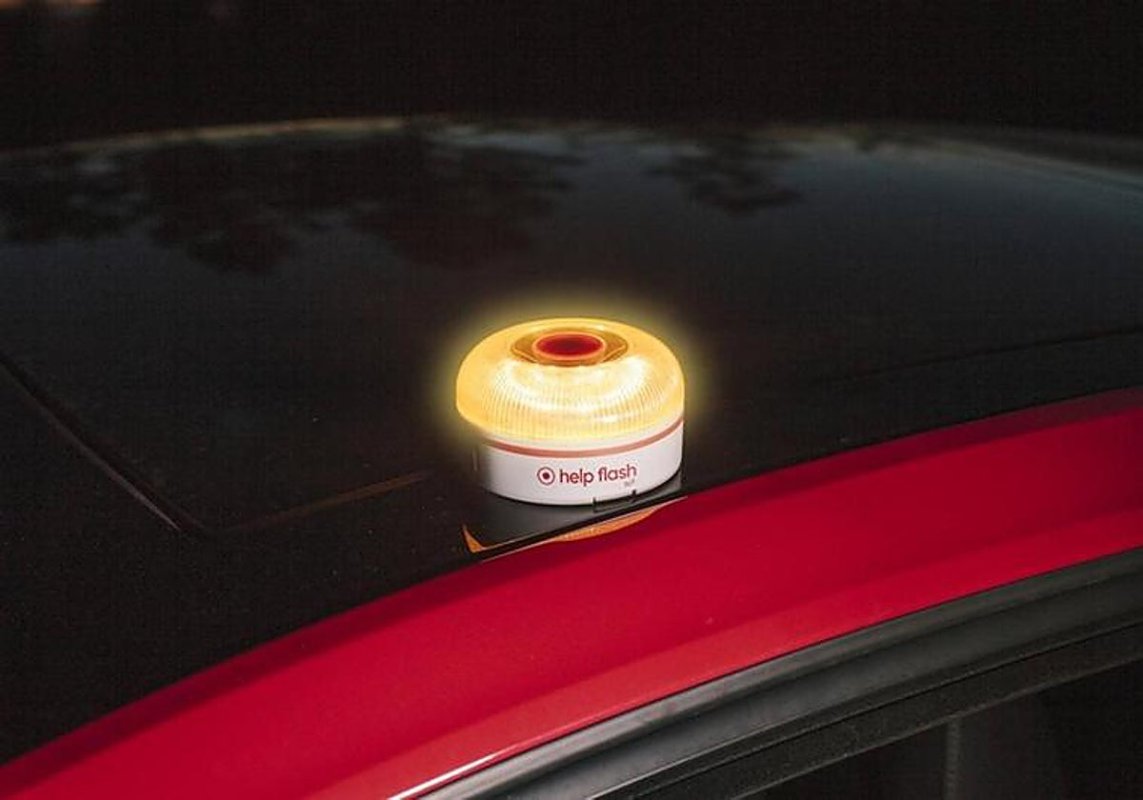
According to a regulation by Spain’s General Directorate of Traffic (DGT), from January 1, 2026, all vehicles must use the new V16 warning light in the event of a breakdown. Unlike traditional warning triangles, this device automatically transmits the vehicle’s real-time geolocation to the DGT’s cloud platform. However, this feature has been criticized for having a severe security loophole. The Professional Justice for the Civil Guard association (JUCIL) has warned that this location information can theoretically be accessed by anyone, which is tantamount to “opening the door for criminals,” allowing them to easily locate and target drivers stranded in remote areas or at night.
Official and Police Stances Clash
Facing these security concerns, Spain’s Minister of the Interior, Fernando Grande-Marlaska, has publicly stated that the geolocation feature will not pose a risk to drivers and insisted that the new device will effectively enhance safety. However, JUCIL strongly refutes this, arguing that the location of a broken-down vehicle is sensitive information that should be treated as restricted data, accessible only to state security forces when necessary. The association has called for a review of the entire emergency system and pointed out that the legislative process ignored the opinions of experts in traffic and public safety, leading to a “disappointing” outcome.
Risks of Illegal Towing and High-End Car Theft
The Unified Association of Civil Guards (AUGC), while urging the public to “avoid creating panic,” has also highlighted other potential risks. Its traffic coordinator, Diego Madrazo, stated they are more concerned about the location data being used for “illegal towing” businesses. Some opportunistic operators could use the location information to pose as official assistance, arrive at the scene first, and charge car owners exorbitant fees of €200 to €300, which are typically not covered by insurance. Furthermore, the organization warned that high-end vehicle models could become targets for theft rings, who could use the location data to quickly steal the vehicles and move them to places like Eastern Europe for resale.
Practical Efficacy: Visibility Highly Questioned
Besides data security issues, the practical effectiveness of the V16 warning light has also been challenged. Although officials claim it has a visibility of up to one kilometer, AUGC’s Madrazo pointed out that in real road conditions, a vehicle’s own four hazard lights are far more conspicuous than a single V16 light. There are concerns that the insufficient visibility of the warning light could instead increase the risk of rear-end collisions. Videos circulating on social media also show that the device becomes difficult to see clearly from just a few tens of meters away.
