Incident Overview: Explosion Kills 1, Injures 10
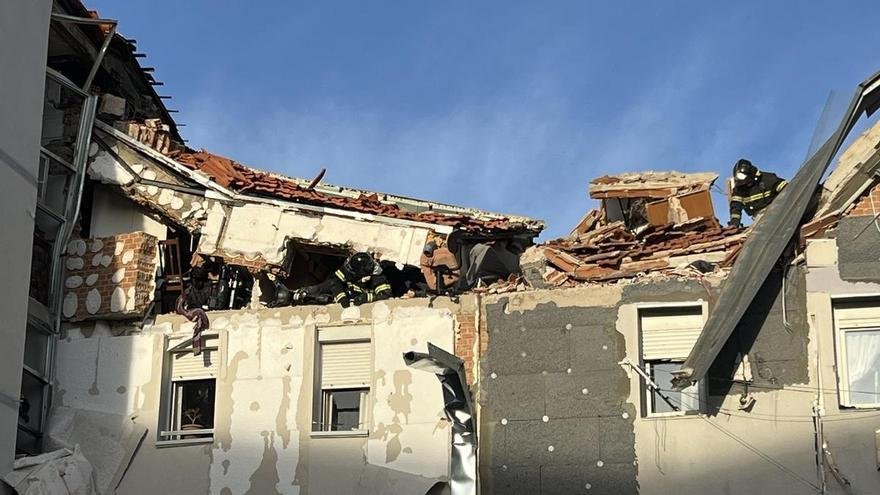
On the afternoon of January 9, a severe gas explosion occurred in a residential building at 36 Azcoitia Street in Madrid’s Carabanchel district. The blast was powerful, completely destroying two fourth-floor apartments and causing severe structural damage to the entire building and neighboring properties.
According to official reports, the incident resulted in the on-site death of an 80-year-old woman, while her 84-year-old husband was critically injured and rushed to the hospital. Additionally, nine other people sustained minor injuries. The preliminary investigation points to an indoor gas leak as the cause, although the building was undergoing exterior renovation work at the time.
Adding Insult to Injury: Post-Disaster Thefts at the Scene
After the tragedy, displaced residents faced a second blow to their property’s security. During the chaotic evacuation on the afternoon of the incident, criminals infiltrated the unguarded residences to commit theft. Several residents reported that upon returning to check their homes after being forcibly evacuated, they found their belongings completely looted. Some less damaged ground-floor apartments were also maliciously vandalized.
The Madrid police have confirmed receiving reports and have launched an investigation, but this has done little to ease residents’ concerns about their property’s safety. The incident exposes a critical vulnerability in security during the transitional period at emergency disaster sites.
Housing Crisis: 32 Families Face Homelessness
Following the explosion, the Madrid city government evacuated 32 families, totaling over 40 people, from the damaged building and its surroundings for safety reasons. However, as the temporary emergency housing provided by the government expires, these families are now facing the prospect of homelessness.
It is understood that among the affected residents are elderly individuals with cancer and young children. They are currently relying on assistance from the neighborhood community for temporary shelter, clothing, and other basic needs. The dual blow of losing their homes and possessions has plunged the lives of these victims into extreme uncertainty.
Lessons from the Incident: A Wake-Up Call for Older Neighborhoods
This incident once again highlights the public safety risks faced by older neighborhoods. Many buildings in the Carabanchel district were constructed in the 1960s, and their aging gas lines pose a latent safety hazard. Particularly during renovation work, construction noise can easily mask the subtle signs of a gas leak, thereby increasing the risk of an accident.
This event also serves as a warning that in responding to sudden disasters, beyond rescue and resettlement, how to quickly and effectively protect the property of victims and prevent secondary harm like looting is a crucial aspect of urban emergency management that needs improvement.
