Government Introduces New Housing Policy to Stabilize Rents
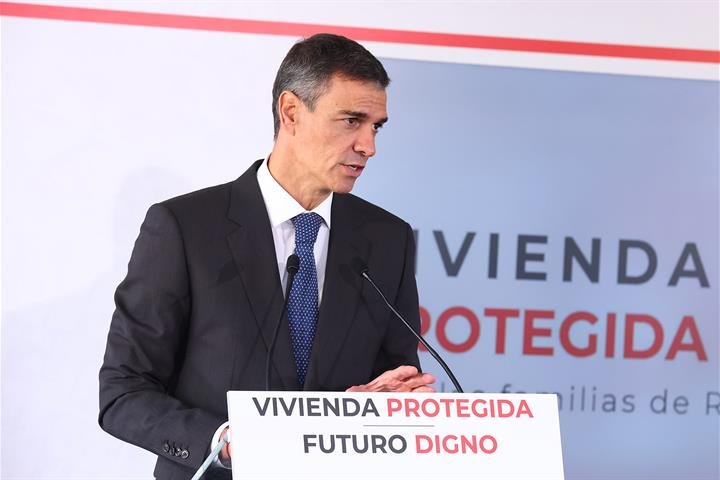
To address the increasingly tight rental housing market, Spanish Prime Minister Pedro Sánchez announced this week an incentive measure aimed at curbing rent increases. According to the new policy, landlords who choose not to increase rent when renewing lease agreements will receive a 100% tax deduction on that rental income in their personal income tax. This policy will be included in an upcoming royal decree-law to be submitted to Parliament, aiming to encourage landlords to stabilize rent levels through tax incentives, thereby steadying market expectations before a large number of leases expire in 2026.
Additionally, the government plans to strengthen regulation of the rental market. This includes stipulating that the total rent from subletting rooms in a property cannot exceed the price of renting the entire property, and increasing penalties for the misuse of seasonal rental contracts to evade regulations.
Self-Employed Sector Faces Severe Economic Pressure
According to the latest survey report from the National Federation of Self-Employed Workers (ATA), business conditions for the country’s self-employed continued to worsen in 2025. The report shows that about one-third of self-employed individuals saw a decline in business volume, and over 80% faced immense pressure from rising costs. Looking ahead to 2026, a quarter of self-employed workers anticipate their business situation will deteriorate further, reflecting uncertainty about the economic outlook.
In response, ATA has called on the government to adopt measures to reduce their burden, including an exemption from social security contributions during sick leave and VAT benefits for those with an annual income below €85,000. The organization also opposes any proposals that could increase their burden, such as hikes in social security contributions or significant increases in the minimum wage.
Political Landscape Shifts Right as Vox Party Support Hits Record High
The latest opinion poll results reveal a significant shift in Spain’s political landscape. The support for the far-right party Vox has climbed to 18%, a new high in recent years. The right-wing bloc, composed of the People’s Party (PP) and Vox, has extended its lead over the left-wing bloc to 13 percentage points. If a general election were held now, this bloc would be close to securing an absolute majority in Parliament.
Analysts point out that inflation, immigration issues, public security concerns, and dissatisfaction with the current Socialist Party (PSOE) government are the main factors driving the rise in Vox’s support. This trend suggests that future political dynamics in Spain will be more uncertain.
Teacher Career Crisis Worsens, Education System on Alert
A survey by the Spanish teachers’ union STEs-Intersindical has sounded the alarm, showing that the public education system is facing a severe risk of teacher burnout and attrition. Among the approximately 13,000 public school teachers surveyed, over 80% believe that verbal or physical aggression from students is increasing, and nearly 77% feel that disrespect from students’ families is a growing problem.
The union warns that if working conditions, salaries, and the school safety environment do not improve, the “unsustainable” work pressure on teachers could lead to a teacher shortage, especially in secondary and vocational education.
