A large-scale study, coordinated by the Consumer Empowerment Project and involving Spain’s Organization of Consumers and Users (OCU), has revealed the complex attitudes and usage patterns towards Artificial Intelligence (AI) in Spanish society. The study surveyed 18,015 citizens across ten EU countries, including 2,027 respondents in Spain.
A Divided User Base: Frequent Adopters and Non-Users Coexist
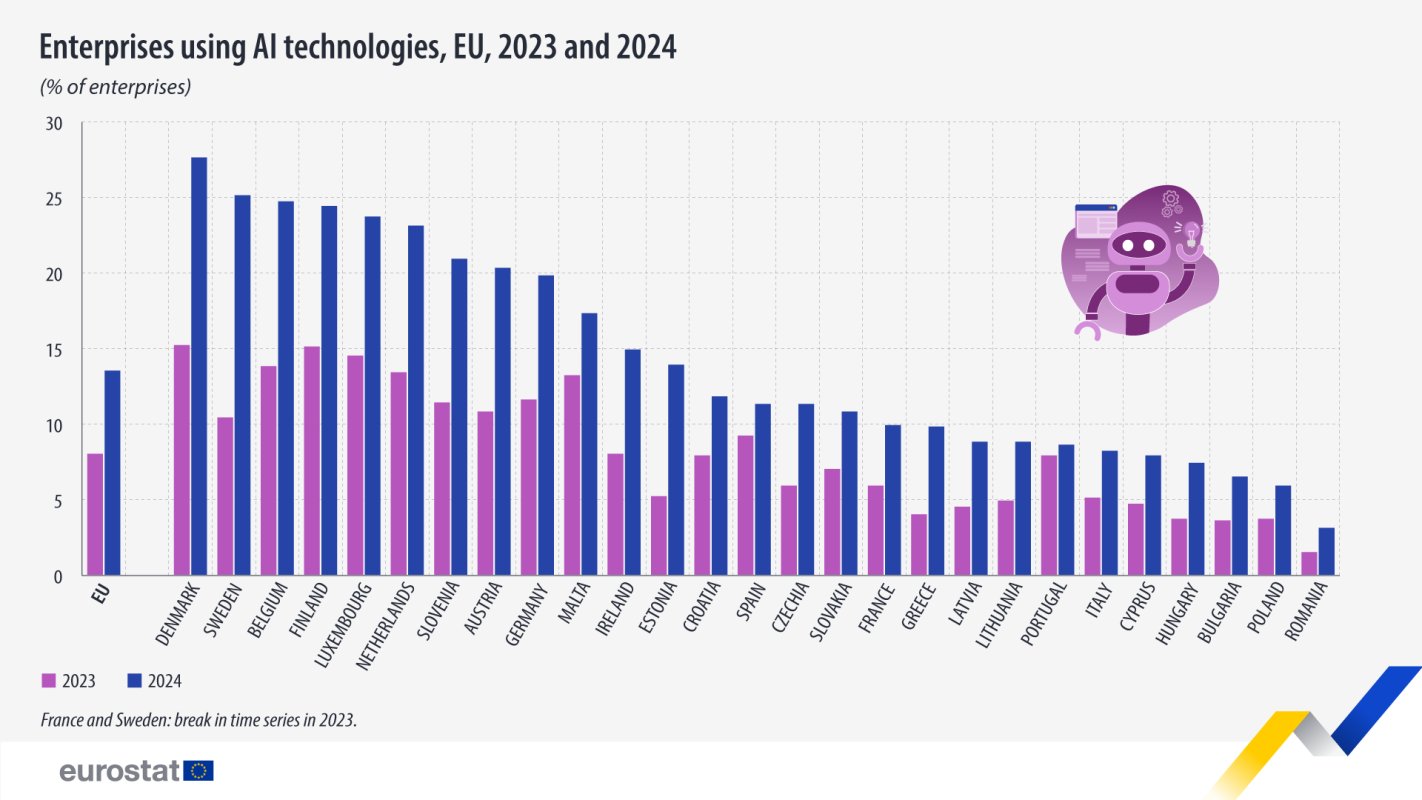
Survey data indicates a clear polarization in AI usage in Spain. On one hand, 20% of Spaniards report using AI frequently or almost daily, a figure that has doubled since last year and is slightly above the European average of 18%. Another 33% use the technology occasionally. On the other hand, a substantial 40% of Spaniards have never had any experience with AI. Furthermore, 29% of respondents admit they lack the skills to use AI. The data shows that the elderly population over 63 has the lowest AI adoption rate, highlighting a significant digital divide.
Risk Concerns: Privacy and Information Manipulation Are Top Worries
Negative perceptions of AI are widespread among the Spanish public. A high 58% of respondents believe the risks of AI outweigh its benefits. The main concerns are concentrated in three areas: 66% worry that AI technology could exacerbate public opinion manipulation and become a tool for spreading disinformation; 65% are concerned about the violation of personal privacy; and cybersecurity risks are also a major point of public focus. These figures reflect that as AI technology becomes more pervasive, its potential social and ethical risks have become a core concern for the public.
Potential Opportunities: Optimism for Personalized Services and Public Sector Innovation
Despite widespread concerns, the Spanish public also recognizes the positive potential of AI in various sectors. 53% of respondents believe AI can help provide more personalized customer experiences and improve consumer services. In the public sector, the prospects for AI are equally anticipated. 50% believe AI can make the education process more flexible, accessible, and personalized. Meanwhile, 47% are optimistic about its application in the healthcare sector, believing AI will aid in the development of new treatments, improve disease diagnosis, and optimize patient management.
Perceived Integration: AI Already Part of Many Aspects of Daily Life
The survey also found that regardless of personal use, the Spanish public widely perceives AI’s impact across various sectors of society. Over six in ten (61%) believe AI’s application is most evident in the information and media dissemination field. Additionally, culture and leisure (54%), shopping and consumption (53%), and education and training (53%) are also key areas where the public perceives the presence of AI technology. This indicates that AI is subtly and silently integrating into all facets of daily life for people in Spain.
