Overall Inflation Eases, Core Indicators Improve
According to the final Consumer Price Index (CPI) data for 2025 released by Spain’s National Statistics Institute (INE), the average annual inflation rate stood at 2.7%. This marks a slight decrease from 2.8% in 2024, indicating a general easing of inflationary pressures. More significantly, the core inflation rate—which excludes volatile energy and unprocessed food prices—averaged 2.3% by the end of 2025, down 0.6 percentage points from the previous year. This brings it closer to the European Central Bank’s (ECB) 2% target.
Soaring Housing Costs Become the Main Driver of Inflation
Among all consumption categories, the most significant increase was in housing and associated household expenses like water, electricity, and gas, which soared by 6.2% year-on-year. This is substantially higher than the 3.6% increase in 2024, making it the primary factor driving up the cost of living this year. Additionally, prices in the hotels and restaurants sector (+4.3%) and for alcoholic beverages and tobacco (+3.8%) also remained high, continuing to pressure consumers’ budgets.
Diverging Food Prices: Everyday Staples See Steep Increases
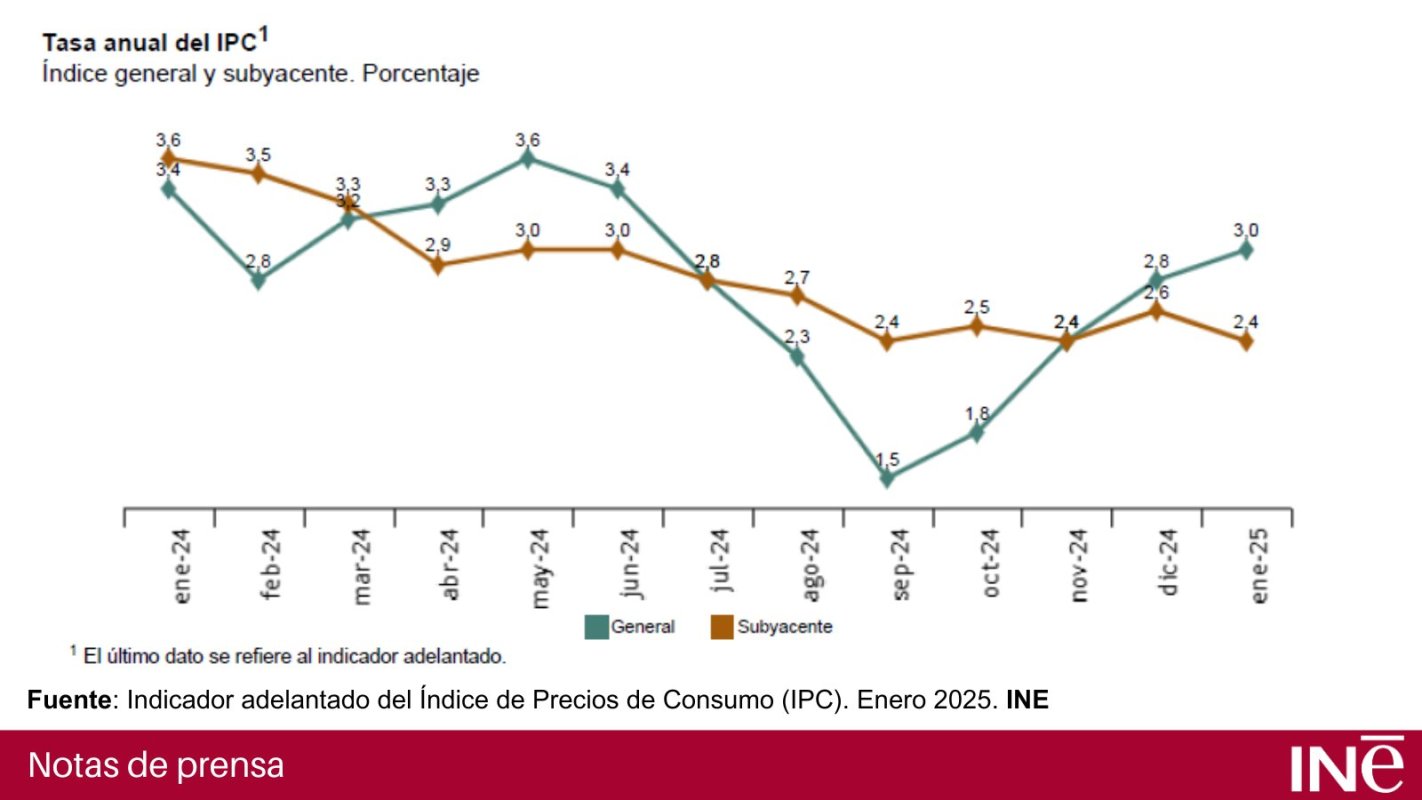
Although the overall inflation rate for the food shopping basket dropped from 3.6% to 2.4%, several basic food items experienced dramatic price hikes. Notably, the price of chocolate rose by 20%, coffee by 17.6%, eggs by 17.5%, and beef by 14.4%, directly impacting household daily expenses. In stark contrast, olive oil, which saw a staggering 32.3% price surge in 2024, experienced a significant price drop of 38.9% in 2025, becoming one of the few items with a notable price decrease.
Residents’ Purchasing Power Put to the Test
In terms of wages, the average salary increase of around 3% in 2025 led to a slight improvement in real purchasing power for some workers. However, for many, including approximately 3.5 million public sector employees, wage growth failed to keep pace with inflation, meaning their real standard of living remains under pressure. Other categories with smaller price increases include health (2%), transport (0.5%), and clothing and footwear (0.4%).
