Full Monitoring of Electronic Payments to Start in 2026
Under the new regulations, starting from January 1, 2026, banks and payment service providers in Spain must periodically report electronic payment information to the State Tax Administration Agency (Agencia Tributaria, commonly known as Hacienda). This measure means all electronic transactions, including Bizum and POS (TPV) card payments, will fall under tax supervision. The grey area of using small-value electronic payments for undeclared transactions will cease to exist, allowing tax authorities to more effectively cross-reference taxpayers’ declared income with their actual transaction flows.
VeriFactu E-Invoicing System Postponed to 2027
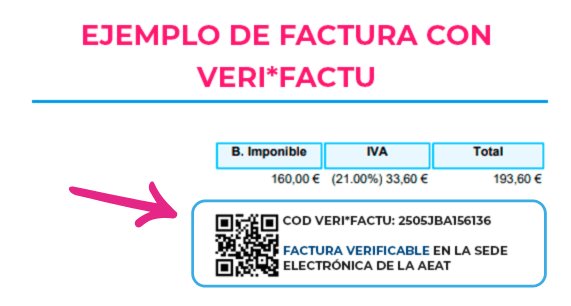
The mandatory implementation date for the highly anticipated VeriFactu e-invoicing and verification system has been officially postponed to 2027. Officials explained that this delay is to provide businesses, accounting software developers, and the entire accounting ecosystem with sufficient time for technical adaptation and transition. However, this does not signify a relaxation of oversight. Instead, businesses are encouraged to use this buffer period to proactively upgrade their internal invoicing, inventory, and accounting management systems to ensure all business records and vouchers are traceable.
Audit Priorities Remain, Digital Tools to Enhance Scrutiny
The Spanish Tax Agency’s on-site inspections will continue to focus on “cash-intensive” sectors, such as restaurants, retail, wholesale, and beauty salons. The accuracy of Value Added Tax (VAT) declarations, the matching of purchase and sales invoices, and unusual or frequent refund requests remain central to audits. With the reporting of electronic payment data and the future integration of invoicing systems, the tax department’s efficiency in data comparison and auditing will significantly increase, making financial irregularities easier to detect.
Other Key Regulations and Recommendations
In addition to the core changes mentioned above, existing regulations remain in effect, such as the €1,000 limit on cash payments per transaction, which will continue to be enforced. Meanwhile, various Autonomous Communities (Comunidades Autónomas) may introduce specific tax breaks or deductions, which businesses should consider during their tax planning. To adapt to the new rules, it is recommended that businesses and self-employed individuals strictly separate personal and business accounts, establish regular account reconciliation mechanisms, and ensure all business income is supported by compliant invoices or receipts to navigate the increasingly transparent tax environment.
