In 2025, the Spanish economy is exhibiting a complex duality. On one hand, its Gross Domestic Product (GDP) growth is projected to reach 2.9%, a standout performance among major European economies. On the other hand, a wave of business closures is sweeping the nation at an unprecedented rate, sparking widespread attention and in-depth discussion among economists.
The Gap Between Macroeconomic Data and Business Reality
According to official data released by the Spanish Association of Registrars (Colegio de Registradores de España), over 40,000 companies initiated bankruptcy proceedings in the first three quarters of 2025. This figure represents a staggering 44.4% increase compared to the 27,700 cases in the same period of 2024. This distress at the corporate level starkly contrasts with the “brilliant” macroeconomic figures, indicating that the benefits of economic growth have not been evenly distributed among all market players.
The Concentrated Shakeout of “Zombie Companies”
Experts point out that the core reason for this paradox lies in the concentrated exit of ‘zombie companies.’ These businesses survived in recent years by relying on government aid during the pandemic and a super-low interest rate environment, but they lack core competitiveness and profitability. As market interest rates normalize and the economic landscape shifts, they are struggling to stay afloat. According to a report by D&B (Dun & Bradstreet), as of mid-2025, there were still approximately 35,700 such “zombie companies” in Spain. The vast majority are micro-enterprises, but the number also includes thousands of medium and large companies. The restaurant, hotel, and construction industries are the hardest-hit sectors, with high operating costs and shrinking profit margins forcing them to shut down.
Legal Reforms and Statistical Effects
In addition to economic factors, changes in Spain’s legal framework have also influenced the data. The new Insolvency Law, which came into effect in 2022, introduced new bankruptcy resolution mechanisms, notably providing a more streamlined bankruptcy process for micro-enterprises. This reform has allowed more struggling small businesses to be included in official bankruptcy statistics, thus inflating the total number of cases.
The Uneven Nature of Economic Recovery
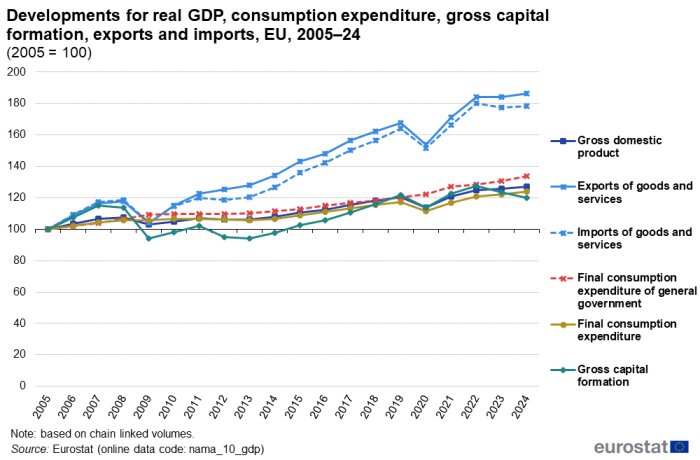
Economists believe that the current wave of bankruptcies is, to some extent, a market “cleansing” process—part of “creative destruction” that helps eliminate inefficient capacity. However, this also exposes the uneven nature of Spain’s economic recovery. Although the overall economy is growing, SMEs (Small and Medium-sized Enterprises), especially those unable to adapt to rising costs and technological changes, still face immense survival pressure. In the future, with the proliferation of new technologies like artificial intelligence, the process of corporate “survival of the fittest” is likely to accelerate further.
