The Common Security Foundation: Tokenization and Biometrics
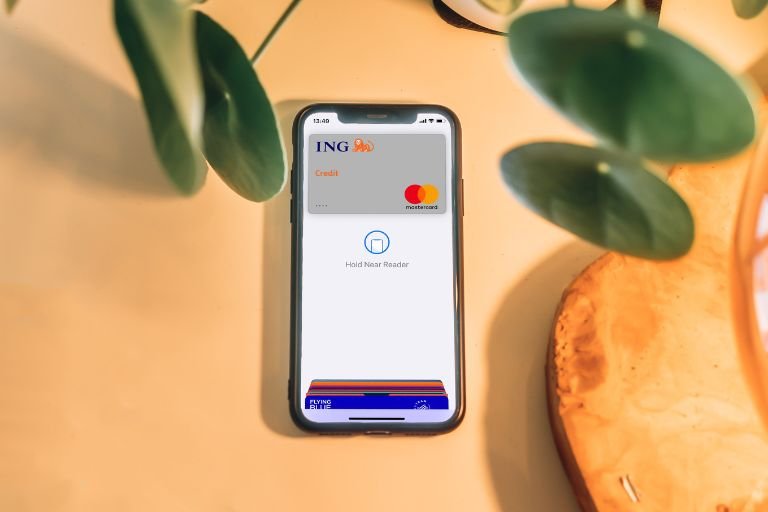
In the modern mobile payment landscape, high-standard security technology is fundamental. Whether it’s Apple Pay, Google Pay, or a bank’s app, all widely adopt advanced security measures. As confirmed by the European Union Agency for Cybersecurity (ENISA), tokenization is at the core of ensuring security. It replaces your actual bank card information with a one-time virtual card number, drastically reducing the risk of your card details being stolen during a transaction. Additionally, the integration of biometric authentication technologies like fingerprint or facial recognition ensures that only the device owner can authorize payments, forming a solid first line of defense.
Architectural Differences: On-Device Security vs. Cloud-Based Processing
Although the foundational security technologies are similar, Apple Pay and Google Pay have fundamental architectural differences, leading to different data processing paths. Apple Pay’s core advantage lies in its “on-device security” model. It utilizes a built-in Secure Element on the device to store an encrypted Device Account Number. The user’s actual card number is neither stored on the device nor transmitted to Apple’s servers. The entire payment process is completed between the user’s device, the merchant’s terminal, and the bank via tokenization.
In contrast, Google Pay relies more on “cloud-based processing.” During a payment, Google acts as an intermediary, processing the transaction through its cloud servers. While Google also uses encryption and tokenization, this architecture, which places part of the processing in the cloud, theoretically adds extra nodes for data in transit and storage, introducing different risk considerations.
Official Bank Apps: A Reliable Option for Direct Interaction
The official mobile applications launched by major Spanish banks should not be overlooked. According to guidance from the Bank of Spain (Banco de España), when users set up a reliable screen lock on their phone and enable the app’s built-in authentication mechanisms, the security of a bank app can even surpass that of traditional SMS verification codes. Its greatest security advantage is “direct interaction.” The user’s payment commands and data are transmitted directly between their personal device and the bank’s system, reducing the involvement of third-party service providers and thus effectively lowering the risk of data leaks as it moves between multiple parties.
Conclusion: Weighing Your Options Based on Personal Needs
Overall, all three payment methods achieve a high level of security. Apple Pay offers top-tier privacy protection with its closed on-device system. Google Pay strikes a balance between broad device compatibility and powerful cloud functionality. Meanwhile, official bank apps provide the most direct and reliable channel for users who prefer to interact directly with their bank. When choosing, users should consider their device type, their level of trust in third-party data processing, and their specific usage habits. It is crucial to always stay vigilant, and regularly update your apps and operating system to ensure your financial security.
