‘Bomb Hotspot’ Triggers In-Flight Alert
On January 15, 2026, Turkish Airlines flight TK1853 from Istanbul to Barcelona encountered a serious security incident. A personal Wi-Fi hotspot created by a passenger was named “Bomba a las 9:30” (meaning “Bomb at 9:30”), which was discovered by other passengers and immediately reported to the crew. Faced with a potential terrorist threat, the captain, in accordance with international aviation security protocols, quickly issued an emergency alert to ground control. At the time, the aircraft, carrying 148 passengers and 7 crew members, was flying over the Mediterranean Sea.
International Coordination and Emergency Response
The alert immediately triggered a European-wide counter-terrorism emergency cooperation mechanism. The French Air Force responded swiftly, dispatching two fighter jets to intercept and escort the passenger plane until it safely entered Spanish airspace. Simultaneously, the destination, Barcelona-El Prat Airport, activated its highest-level emergency plan, known as “Aerocat.” The Spanish Civil Protection, Guardia Civil, and special anti-terrorist units were all mobilized and on high alert at the airport.
Emergency Landing and Full-Scale Search
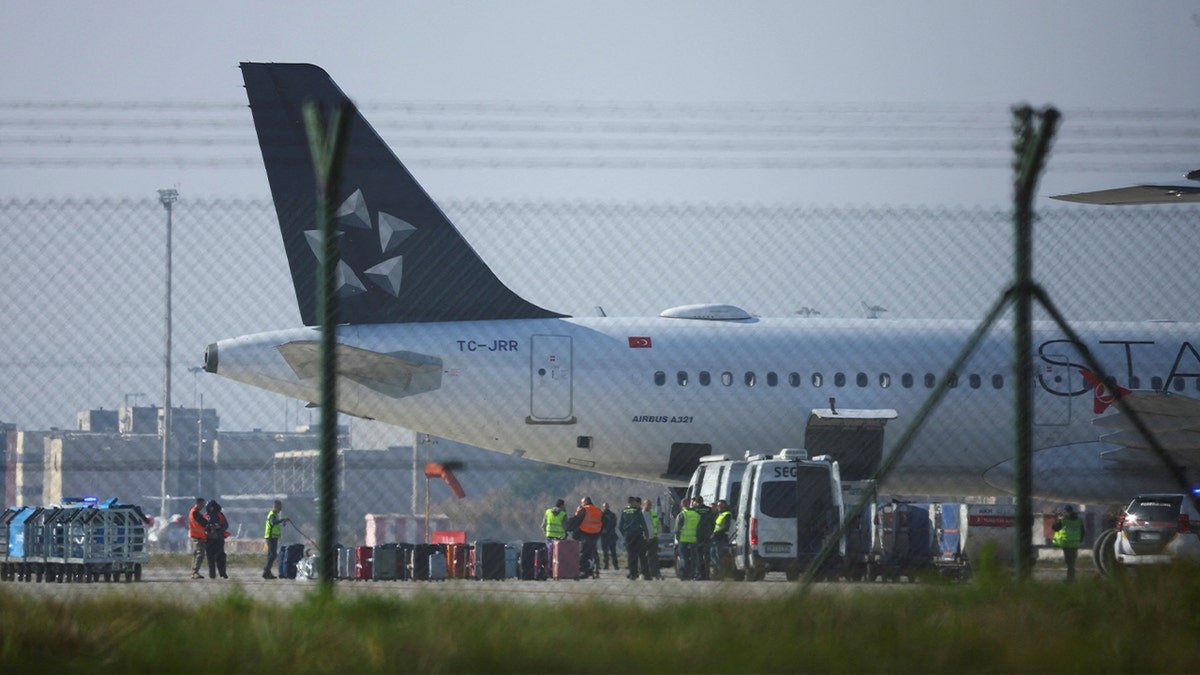
Around 11:00 AM, flight TK1853 successfully made an emergency landing at Barcelona Airport and was immediately guided to a designated isolated area. All 155 people on board were evacuated and individually checked by security personnel. Subsequently, a bomb disposal squad and sniffer dogs conducted a thorough search of the aircraft’s cabin and cargo hold. After several hours of intense work, it was finally confirmed that no explosives or dangerous materials were found on board; the alert was declared a false alarm.
Legal Ramifications and Security Warning
Following the incident, the Spanish Guardia Civil has opened a criminal investigation to identify the passenger who set up the Wi-Fi name and determine their motive. Aviation security authorities pointed out that such an act is a serious threat to public safety and disrupts aviation order, constituting a crime. The person involved may not only face massive civil claims to compensate for the huge public expenses, including the deployment of fighter jets and the airport’s emergency response, but could also face severe criminal charges for endangering public safety.
