Sudden Invasion on the Eve of Handover
Recently, in the town of Cobeña in the Community of Madrid, an organized illegal squatting incident occurred at a newly completed residential complex. Within 48 hours of the scheduled property handover, about 20 squatters forcibly entered multiple homes using destructive methods, such as climbing fences and breaking locks. Some squatters even brought minors with them, attempting to leverage the law to complicate potential eviction proceedings. They quickly changed the door locks, demonstrating their intention for long-term occupation.
Neighborhood Vigilance and Efficient Police Intervention
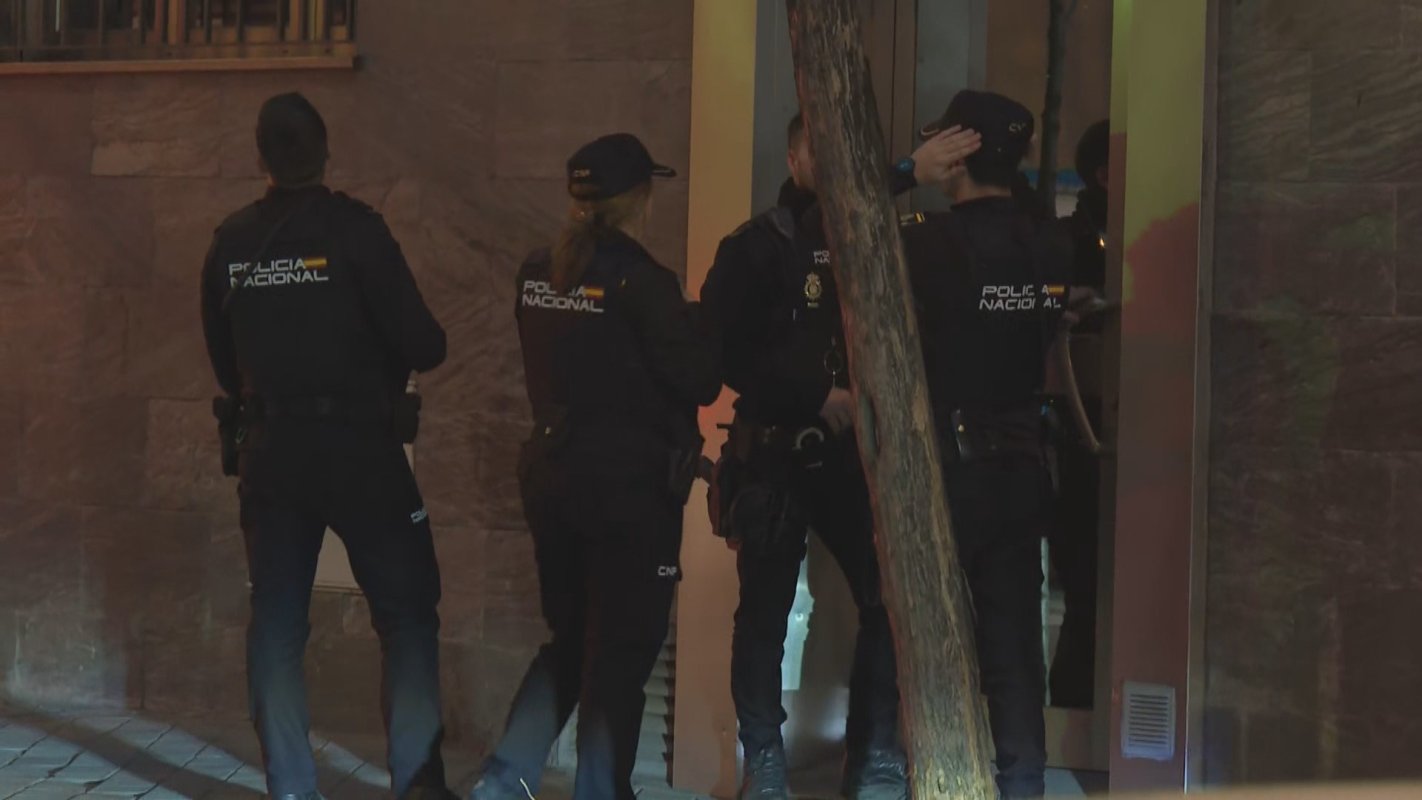
The swift resolution of this incident was due to the high vigilance of the surrounding community residents. A neighbor did not hesitate to immediately alert law enforcement upon noticing a large number of unusual individuals entering the new development. After receiving the report, officers from the Spanish Civil Guard (Guardia Civil) arrived at the scene promptly. Faced with the illegal squatting, the police acted decisively according to the law, successfully removing all intruders from the premises and preventing the situation from escalating.
“Vulnerability Window” Exposes New Home Security Flaws
The professional analysis agency Serviokupas pointed out that this incident was a classic, meticulously planned squatting operation. The squatters precisely exploited the ‘security vulnerability window’ between the completion of the properties and their official handover to the owners. During this phase, although the houses are fully equipped, they are extremely easy targets because they are unoccupied. Many owners had been making payments on these properties for up to two years, only to nearly lose their homes at the final hurdle. This exposes that even brand-new, modern residences are not entirely secure when left unattended.
Owners Secure Homes, Prompting Security Review
After the Civil Guard cleared the area, the officers did not leave immediately. Instead, they continued to patrol the residential complex until all legal owners had successfully completed the handover procedures and officially moved in after several tense days of waiting. With this incident concluded, the homeowners could finally enter their new homes with peace of mind. At the same time, the event has served as a wake-up call for developers and owners, prompting relevant authorities to reflect and promise to strengthen security supervision and protective measures during the handover phase of new housing to prevent similar issues from recurring.
