Spain’s Organ Transplantation: A Global Model Leading the World for 34 Years
In 2025, Spain’s organ donation and transplant system once again proved its remarkable efficiency to the world. According to the annual report from the National Transplant Organization (Organización Nacional de Trasplantes, ONT), the country has maintained its global leadership in organ transplantation for the 34th consecutive year. This achievement is not just a triumph of medical technology but also a testament to social solidarity and an effective management model.
Key Data Overview for 2025
The report shows that Spain completed a total of 6,335 organ transplant surgeries in 2025. The organ donation rate reached an impressive 51.9 donors per million people, a figure that far exceeds the average in the United States and the European Union, placing it at the top globally. In total, 2,547 deceased individuals donated organs throughout the year.
Among the various types of transplant procedures, kidney transplants (3,999 cases) and liver transplants (1,276 cases) were the most common. Notably, heart transplants reached 390 cases in 2025, a 12% increase from 2024, setting a new historical high. Additionally, 556 lung transplants, 103 pancreas transplants, and 11 intestinal transplants were performed.
Donation Models and Donor Characteristics
Regarding donation methods, donation after circulatory death (Asystole Donation) has become the primary model, accounting for 1,416 cases, or 56% of all donations. This technique requires rapid recovery and maintenance of organ function after the donor’s heart stops beating, posing a significant challenge for medical teams.
The age structure of donors also shows distinct features. Among adult donors, 60% were over 60 years old, 32% were over 70, and 5% were over 80. The report recorded the oldest donor as a 93-year-old who successfully donated a kidney, extending the hope of life.
The Key to Success: System and Collaboration
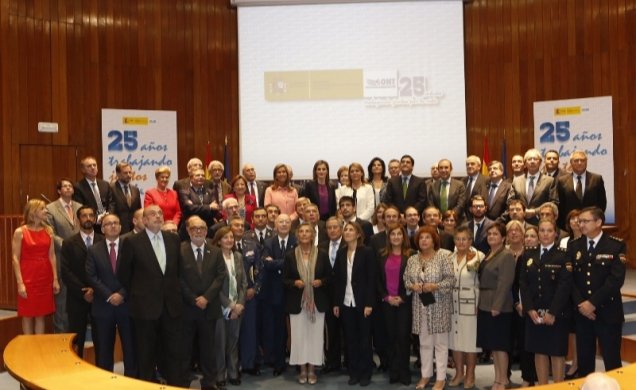
Spain’s Minister of Health, Mónica García, attributed this success to “the solidarity of society and the value placed on life,” as well as the “universal public national health system” and the “highly specialized management model” of the ONT. Beatriz Domínguez-Gil, the Director-General of ONT, added that legislative changes, such as the implementation of the euthanasia law, have also played a crucial role in the growth of transplant numbers.
Effective national-level collaboration is equally indispensable. In 2025, 1,416 transplant surgeries, accounting for 23% of the total, were completed through the organ exchange network across autonomous communities, fully demonstrating the seamless cooperation within Spain’s national health system.
Future Strategies and Challenges
Despite the remarkable achievements, challenges remain. Currently, over 5,000 patients, including 77 children, are on waiting lists for organs. To benefit more patients, the ONT has developed a new strategy extending to 2030. Key measures include integrating organ donation as an organic part of end-of-life care, further expanding the network of donation centers, working to reduce the rate of family refusal for donation, and continuously optimizing clinical standards for organ use, while actively developing living kidney transplant programs, including cross-border collaborations.
