The Accident and Major Casualties
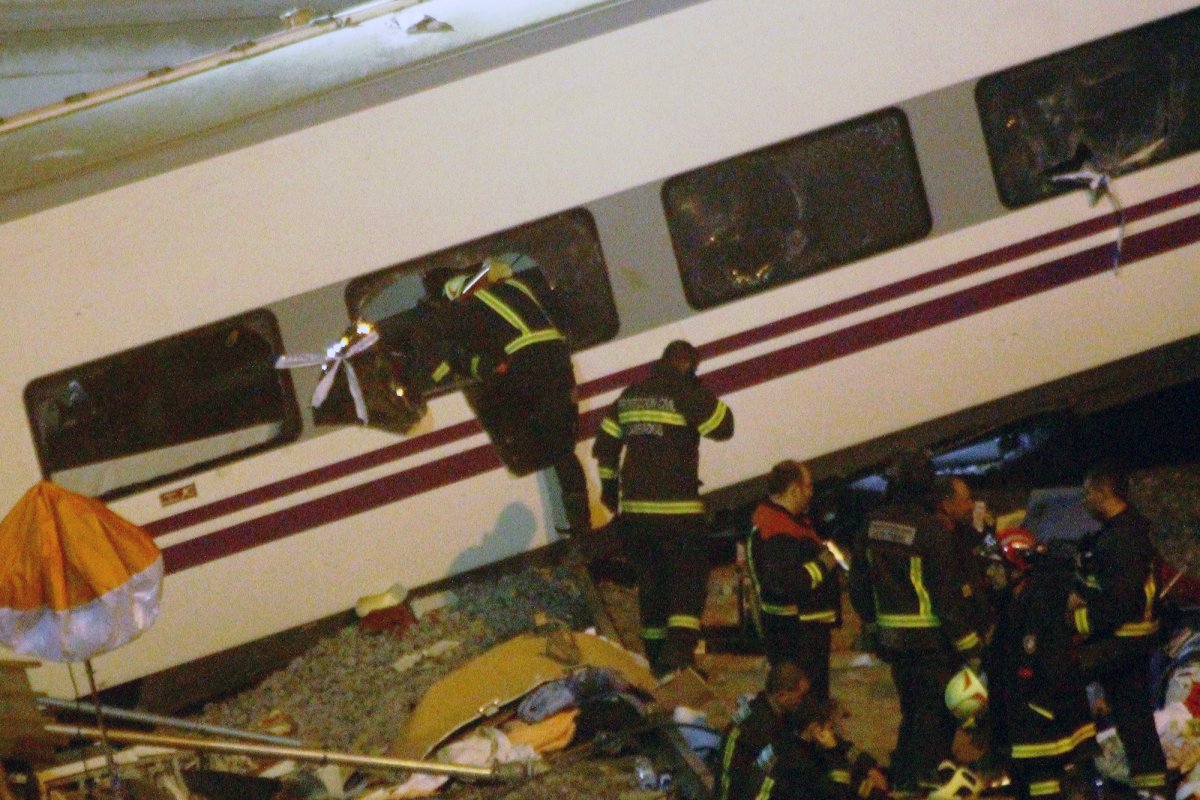
Around 7:45 PM on the evening of January 18, 2026, Andalusia, Spain, experienced one of its most severe high-speed rail accidents in recent years. Near the town of Adamuz in the province of Córdoba, three carriages of Iryo train number 6189, traveling from Malaga to Madrid, suddenly derailed and entered the opposite track. It then violently collided with a Renfe Alvia train, number 2384, heading towards Huelva. The intense impact caused the first two carriages of the Alvia train to fall from an embankment approximately four meters high, leading to catastrophic consequences. According to preliminary official data, the accident has resulted in at least 39 fatalities, including the driver of the Alvia train, and left 152 people injured to varying degrees. Among the injured, 48 remain hospitalized, with 12 in critical condition and receiving treatment in the intensive care unit.
Official Response and Unanswered Questions
Spain’s Minister of Transport, Óscar Puente, stated after the incident that the cause of the accident is still under investigation, but he described the event as ‘extremely puzzling.’ Puente emphasized that the accident occurred on a straight section of track that had just been recently upgraded, and the trains involved were also relatively new. The fact that a collision occurred under such excellent conditions has shocked and baffled all railway experts. However, some reports indicate that several months ago, the train drivers’ union had issued a warning to the railway infrastructure manager (Adif) about aging equipment on parts of this line, adding more complexity to the investigation into the cause. For now, the possibility of human error has been largely ruled out.
Emergency Response and Traffic Disruption
Following the accident, a large number of rescue teams, including the Military Emergencies Unit (UME), were quickly dispatched to the scene to begin search and rescue operations. The Spanish railway infrastructure manager (Adif) announced that high-speed rail services connecting Madrid with Andalusia (including routes to Córdoba, Seville, Malaga, etc.) were completely suspended on January 19 to facilitate rescue and investigation efforts. To help passengers’ families inquire about information, Adif has opened a hotline at 900 101 020, and the Iryo company has also set up an assistance hotline at 910 150 000. Several rail operators, including Renfe, Ouigo, and Iryo, have activated their emergency protocols, offering affected passengers free rebooking or full refund services.
Vigil and Cries for Help at the Scene
In the midst of the disaster, moments of human brilliance and fragility intertwined. A video circulating online shows that after the accident, a train staff member calmly reassured passengers over the broadcast system, instructing everyone to stay inside the train and wait for rescue. They also called for passengers with first-aid knowledge to provide assistance. Their professional handling won widespread praise from the public. At the same time, a survivor recounted the heart-wrenching experience of a young girl next to them. The girl, who was on her way to Madrid for an exam, suffered a severe head injury and, in her terror, kept crying, ’I don’t want to die.' Fortunately, both she and her accompanying mother were sent to the hospital. Although their injuries are serious, they are conscious.
