New Minimum Wage Standard and Its Scope of Impact
The Spanish government plans to increase the Minimum Interprofessional Wage (SMI) by 3.1% to €1221 per month, equivalent to an annual salary of approximately €17,094. According to data from the Spanish National Institute of Statistics (INE) Labor Force Survey, about 30% of all employees earn a gross annual income of no more than €17,862. This implies that once the plan is approved by the cabinet, the legal minimum wage will be nearly on par with the average salary of the bottom 30% of earners in the country.
‘Bunching Effect’ on Wages Raises Expert Concerns
In recent years, the growth of Spain’s minimum wage has significantly outpaced the growth of the average societal wage. An expert committee, appointed by the Minister of Labor and Social Economy, Yolanda Díaz, warned in its evaluation report that this trend is leading to a ‘bunching effect.’ This phenomenon refers to a growing concentration of workers’ salaries within a narrow band around the minimum wage level. In theory, the minimum wage should primarily serve as a benchmark for low-skilled or inexperienced workers, but it is now increasingly covering and compressing the wage space for workers with some experience and skills.
Impact on Business Agreements and Public Contracts
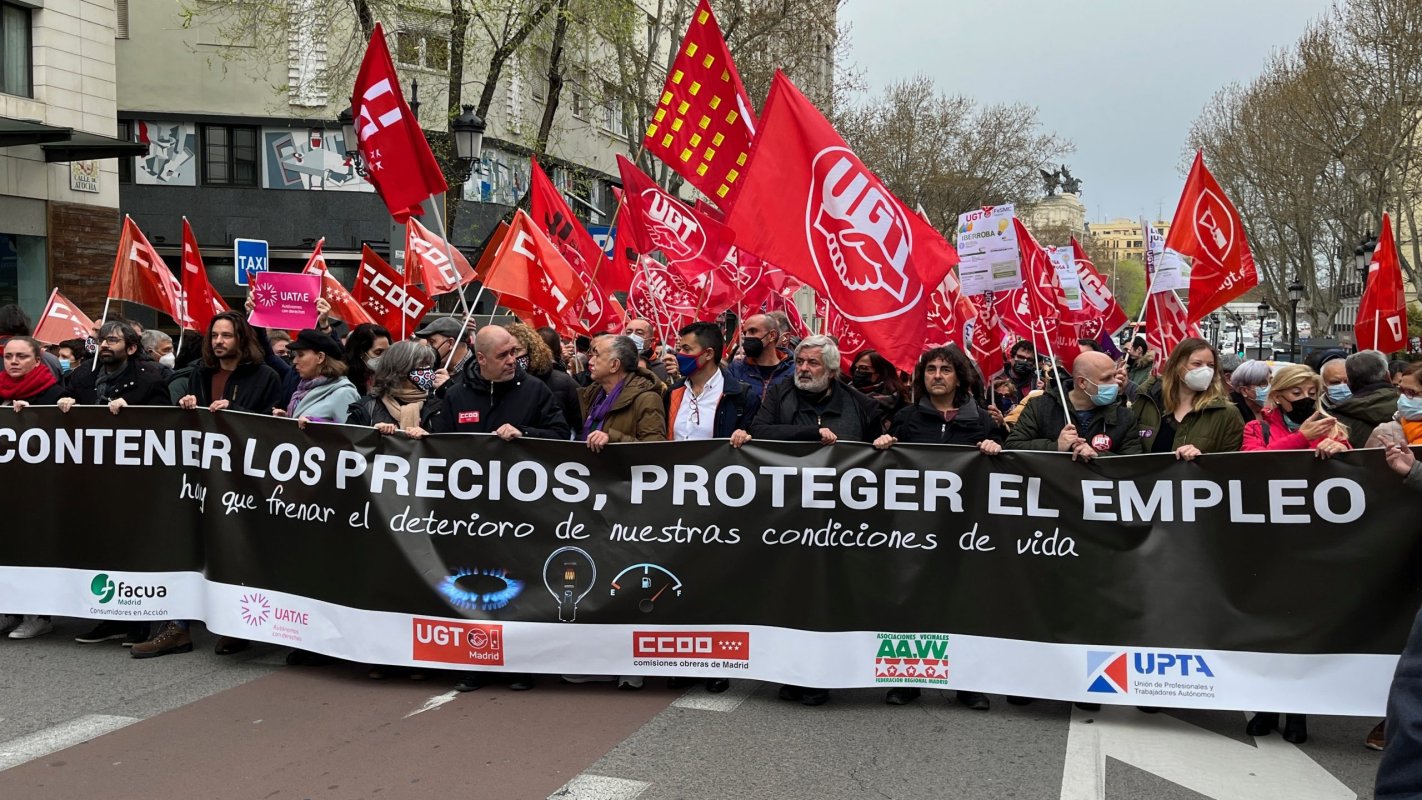
The rapid adjustment of the minimum wage has put pressure on corporate salary structures, particularly in sectors with existing collective bargaining agreements. As business conditions in some industries have failed to keep pace with the minimum wage hikes, many employers and unions are forced to renegotiate and amend wage clauses that fall below the new legal standard. Meanwhile, the Spanish Ministry of Finance has stated it will not automatically update the prices of public contracts to reflect the wage increase, contradicting a previous promise made by Second Deputy Prime Minister Yolanda Díaz to the Spanish Confederation of Employers’ Organizations (CEOE).
Structural Issues in Spain’s Labor Market
The minimum wage hike has not effectively driven a widespread increase in overall salary levels; instead, it has highlighted long-standing structural problems in the Spanish labor market. Data from the INE shows that as of 2024, nearly half of the country’s workforce earned less than €1306 gross per month (based on 14 payments a year), and about 70% earned less than €1725 per month. The prevalence of involuntary part-time work is considered a key factor keeping a large number of workers at these lower income levels.
