The Spanish National Meteorological Agency (AEMET) has issued an alert for the capital city of Madrid and its surrounding central areas regarding weather changes in the upcoming days. The agency notes that the current meteorological pattern is shifting, indicating the potential start of a new weather cycle whose development remains uncertain. The public is urged to remain vigilant for rapid weather changes.
Meteorological Shift and Affected Areas
According to AEMET’s report, this weather change primarily affects Madrid and its surrounding regions during the local winter season. The meteorological authority emphasizes that the weather event could evolve quickly, with impacts not limited to a temperature drop but potentially including other phenomena. Due to the rapid development of the situation, residents and tourists are advised to flexibly adjust their travel and daily activities based on real-time weather information.
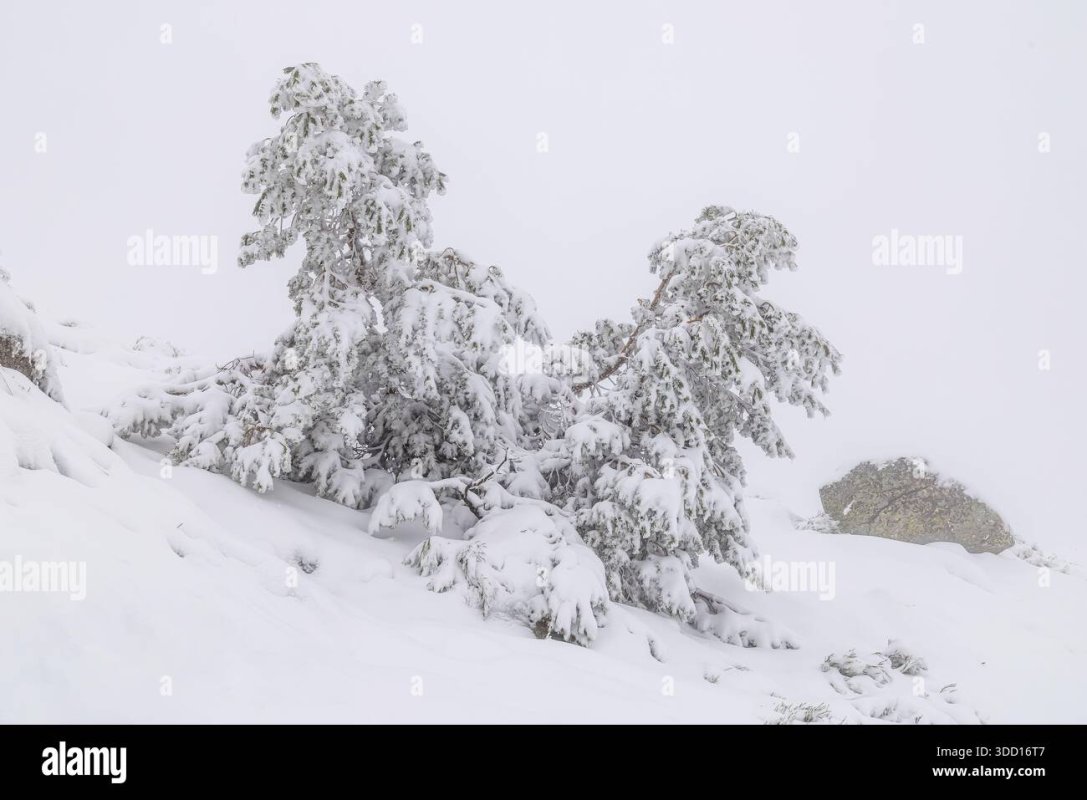
Detailed Mountain Snowfall Forecast
The forecast indicates a high probability of precipitation and snowfall in parts of Madrid, especially in the mountains. AEMET predicts that the next few days will be mostly cloudy with thick low-level clouds, possibly with brief sunny intervals in the afternoon. Light precipitation may occur in the mountains during the early morning and late evening, with the snow line expected to stabilize between 1,000 and 1,200 meters above sea level. This forecast is of significant importance for mountain traffic and outdoor activities.
Specific Temperature and Wind Forecast
Regarding temperatures, a significant drop in minimum temperatures is expected in the mountains, with a slight decrease in the southern third of Madrid, while other areas will see little change. Meanwhile, maximum temperatures will show a general upward trend across most areas, with a particularly noticeable increase in the eastern region. Due to the low temperatures, light frosts may occur in the southeast, while moderate frosts are expected in the mountains. As for wind, it is forecast to be light and variable, but predominantly from the north.
