Global Forecast: An Impending Health Crisis
A new study from the Murdoch Children’s Research Institute, published in The Lancet, has sounded the alarm for global child health. The research predicts that without effective interventions, the number of overweight or obese children and adolescents worldwide will reach 746 million by 2050, accounting for about one-third of the total population. This figure represents a significant increase from 493 million in 2021, highlighting the urgency of controlling this ‘global epidemic’.
European Focus: The Grim Reality in the UK and Spain
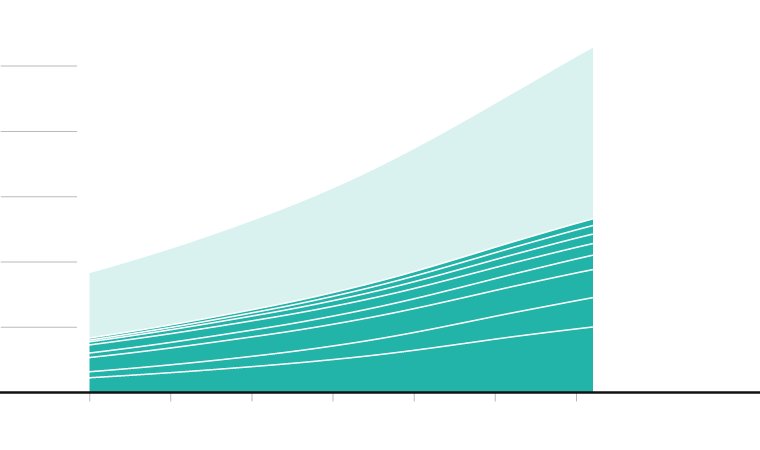
In Europe, the problem of childhood obesity is particularly prominent in Spain and the UK. According to data released by the Spanish Ministry of Health, as many as 30% of the country’s population aged 2 to 17 are already facing overweight or obesity issues, a proportion that has raised high alert among public health authorities. The situation in neighboring UK is equally concerning, with the overweight or obesity rate for children aged 2 to 15 reaching 26.8%. Experts point out that childhood obesity is a key hidden danger affecting the overall health of future society.
Policy Response: The UK’s Advertising Ban
To proactively prevent childhood obesity, the UK government has taken concrete action. Starting January 5, the UK has implemented a total ban on advertisements for ultra-processed foods on television before 9 p.m. and on all digital platforms at all times. The ban covers high-calorie products such as sugary drinks, chocolate, sweet cereals, and industrially baked goods. Amelia Marti del Moral, an expert from the Spanish Society for the Study of Obesity, analyzes that this measure is expected to help society reduce caloric intake by 7.2 billion calories annually, potentially preventing approximately 20,000 new cases of childhood obesity.
Expert Opinion: A Single Measure is Not Enough
Although restricting advertising is considered an important step, experts widely believe that it needs to be combined with broader healthy diet policies to achieve substantial results. Jesús Argente Oliver, a fellow of the Royal National Academy of Medicine, warns that without a systematic promotion strategy, the effect of a single measure will be very limited. Further research indicates that ultra-processed foods can induce a nicotine-like addictive dopamine response, increasing the risk of children developing obesity and cardiovascular diseases in adulthood.
