Alert Activation and Temperature Forecast
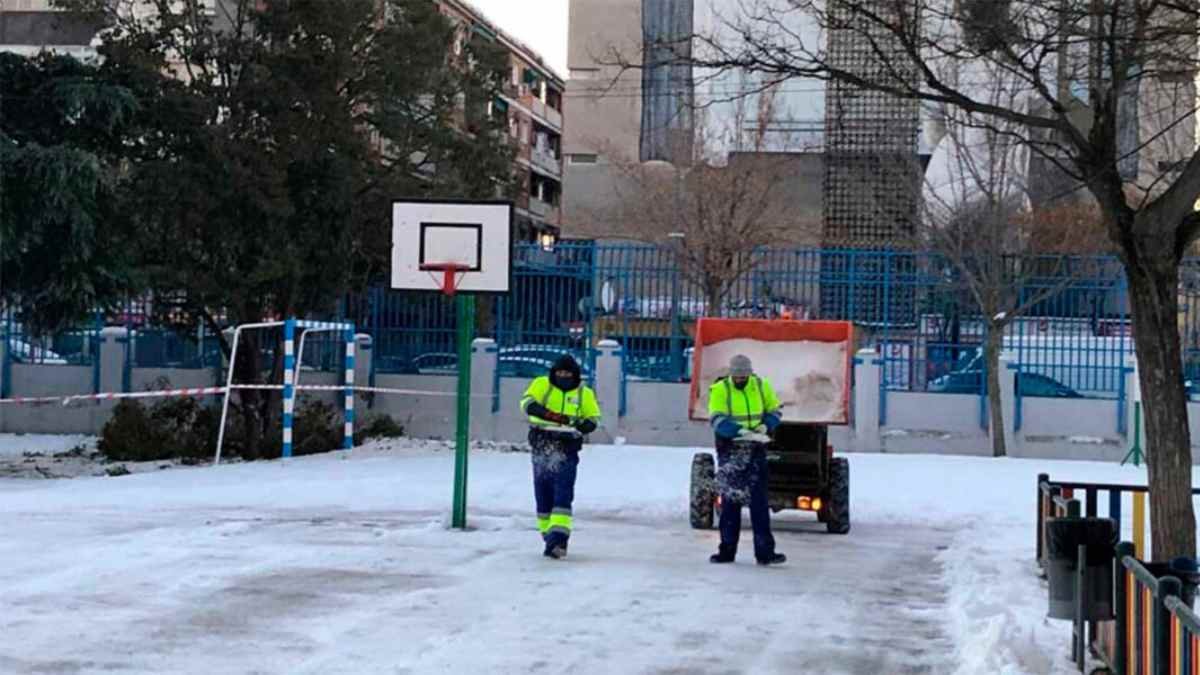
The General Directorate of Public Health of the Community of Madrid announced on January 19, 2026, the official activation of the Level 1 Cold Weather Alert. This action is based on forecasts from the State Meteorological Agency (AEMET), which indicate that minimum temperatures will fall below the alert threshold of 1.5°C starting from Tuesday, January 20.
The forecast data combines observations from four weather stations: Barajas, Cuatro Vientos, Getafe, and Retiro. The specific temperature forecast is as follows:
- January 20 (Tuesday): Minimum temperature of -1.3°C.
- January 21 (Wednesday): Minimum temperature of -1.0°C.
- Temperatures are expected to rise by January 22 (Thursday), with a minimum of 4.5°C.
Key Health Risks of Cold Weather
The Public Health Department points out that low temperatures pose multiple threats to public health. Cold conditions can worsen existing cardiovascular and respiratory diseases and significantly increase the risk of respiratory infections such as the common cold, bronchitis, and influenza. During this cold wave, vulnerable groups requiring special attention include the elderly, patients with chronic conditions like heart or respiratory diseases, infants, as well as homeless individuals and residents facing financial hardship.
Official Recommendations and Measures for Cold Weather
To tackle the challenges of low temperatures and ensure public safety, authorities have issued a series of practical guidelines for staying warm:
Home Heating and Safety: Residents are advised to maintain indoor heating and check the sealing of doors and windows to prevent drafts. During the day, sunlight can be used to help warm rooms. Special caution is urged when using wood-burning or gas heating appliances; ensure proper ventilation to prevent fires and carbon monoxide poisoning incidents.
Personal Protection and Preparation: Wearing multiple layers of clothing is an effective way to maintain body heat. It is also recommended to stock up on sufficient regular medications and food at home to prepare for potential extreme weather conditions.
Lifestyle Adjustments: Authorities encourage residents to engage in moderate activity and avoid sitting still for long periods, as movement helps the body generate heat. Furthermore, it is particularly advised to avoid consuming alcohol to stay warm. Alcohol causes blood vessels to dilate, which, despite creating a temporary feeling of warmth, subsequently accelerates body heat loss and can lead to dangerous hypothermia.
