Three Accidents in One Week on Spanish Rails Cause Major Casualties and Spark Strike Crisis
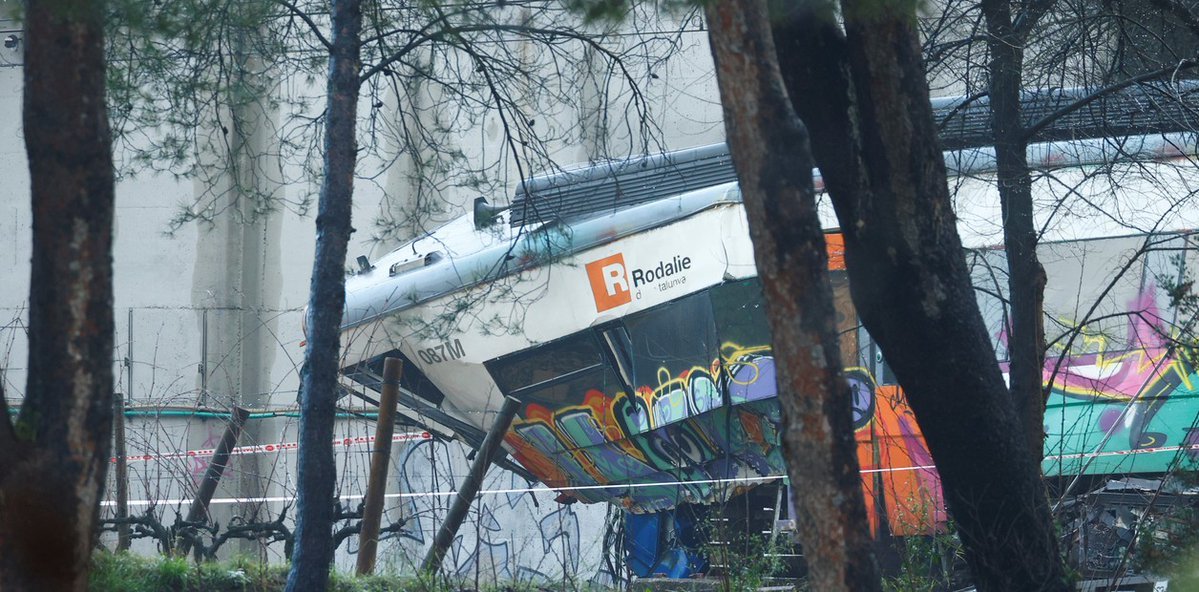
Recently, Spain’s railway system has suffered a series of severe accidents within one week, sparking a nationwide safety crisis and traffic chaos. From Andalusia in the south to Catalonia in the northeast, multiple incidents have resulted in at least 40 deaths and over a hundred injuries, directly prompting a railway union to call a strike and challenging Spain’s public transport management capabilities.
High-Speed Train Collision in Andalusia Results in Heavy Casualties
The most severe of the incidents occurred on Sunday evening. Near Adamuz in the province of Córdoba, Andalusia, an Iryo 6189 train traveling from Málaga to Madrid’s Atocha station collided with train 2384, en route from Madrid to Huelva, at a junction, causing a derailment. According to official reports, the tragedy has claimed at least 39 lives and injured 73 others, with 24 in serious condition, including four minors. Rescue crews worked through the night, while forensic teams in Córdoba are urgently working to identify the victims.
Heavy Rains Cause Commuter Train Derailments in Catalonia
Misfortunes never come singly. The region of Catalonia also saw two consecutive railway accidents due to heavy rainfall. One occurred in Gelida, Barcelona province, where a Rodalies R4 line commuter train derailed after hitting a collapsed retaining wall, resulting in the instant death of the train driver and injuring 41 passengers. In another incident, a train on the R1 line derailed after striking rocks that had fallen from a landslide, but fortunately, there were no casualties.
Commuter Network Paralysis and Strike Crisis
To respond to the series of accidents and investigate safety hazards, Spain’s railway infrastructure manager, Adif, announced on Wednesday a complete suspension of the Rodalies commuter rail network services in the Catalonia region. This decision has affected the daily travel of approximately 400,000 commuters, leading to passenger backlogs at major stations like Barcelona Sants and overwhelming the public transport system. The regional government was forced to lift tolls on some highways to ease traffic congestion.
Meanwhile, the series of accidents has severely shaken the confidence of railway employees in the system’s safety. The Spanish train drivers’ union (Semaf) has officially announced a strike planned for February 9th to 11th to pressure the government into increasing investment in railway infrastructure safety. The Minister of Transport, Óscar Puente, expressed understanding for the workers’ sentiments but stressed that the conflict would be resolved through dialogue to prevent an escalation of the strike.
