Self-Perception Aligning with Reality
According to a nationwide survey released by the Spanish OPEN Association, the societal perception of weight issues in Spain is undergoing a significant shift. Among adults aged 18 to 65, 52.6% of respondents believe their weight exceeds their ideal by at least 5 kilograms. This figure is highly consistent with previous medical research, which indicated that the prevalence of overweight or obesity in the same age group was 57.7%.
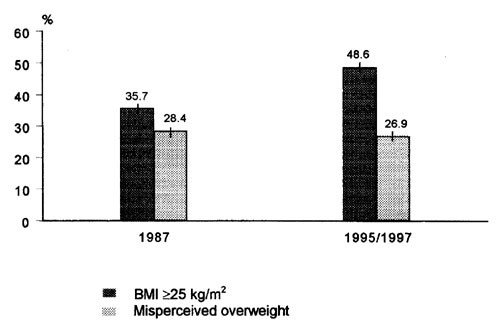
Unlike the past trend of underestimating one’s own body weight, public self-awareness now increasingly aligns with scientific assessments based on the Body Mass Index (BMI). Francisco J. Tinahones, a spokesperson for the Spanish OPEN Association, pointed out that this heightened self-awareness is a positive sign, paving the way for early intervention and health management of weight problems as people are more likely to proactively seek change.
The Weight Loss Struggle: Repeated Attempts and Frustration
The survey further reveals that while attempting to lose weight is common among overweight individuals, the real challenge lies in maintaining an ideal weight long-term. Data shows that the higher the degree of obesity, the more weight loss attempts a person has made in their lifetime. Among those with severe obesity, over a third have tried to lose weight more than six times, yet nearly half of them consider these efforts to have ultimately failed or yielded minimal results.
This cycle of failure commonly leads to a strong sense of frustration. Experts emphasize that this phenomenon powerfully demonstrates that obesity is not simply a matter of willpower but a complex chronic disease that requires long-term, professional intervention combining medical, psychological, and nutritional support.
The Social and Psychological Impact of Obesity
The effects of obesity extend far beyond physical health, profoundly impacting an individual’s psychological state and social life. The survey found that among the severely obese population, over two-thirds experience persistent low moods, commonly accompanied by sleep disorders and continuous feelings of tension. In stark contrast, less than 20% of them receive professional psychological support.
Furthermore, obesity also constitutes an invisible barrier in the job market. Data indicates that the unemployment rate for individuals with severe obesity is nearly double that of the normal-weight population. Experts conclude that although public awareness of obesity has improved, the core challenge remains how to translate this awareness into sustainable healthy actions and eliminate the associated psychosocial barriers.
