1. A Shattered Safety Record: Three Accidents in Two Days
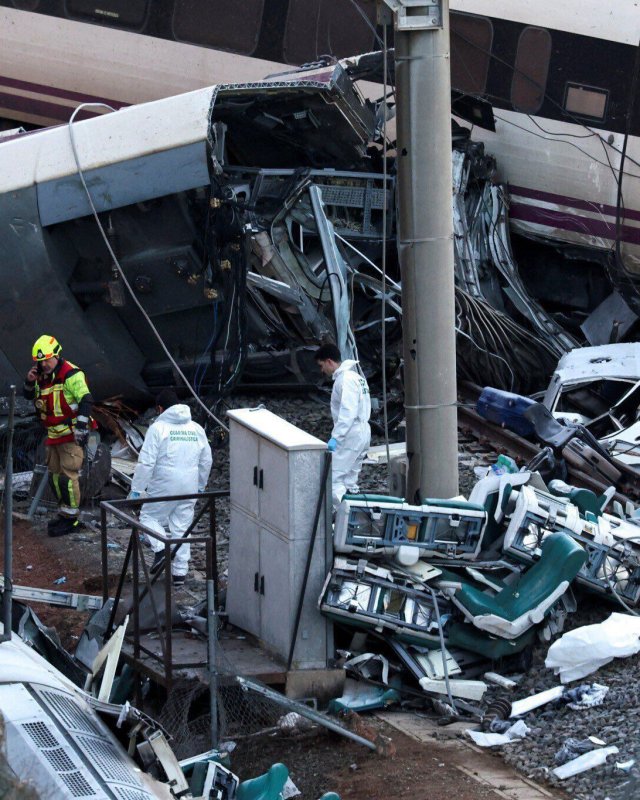
The reputation of Spain’s rail system was shattered in just 48 hours. The tragedy began on January 18 in Adamuz, Andalusia, when a private Iryo high-speed train derailed on a straight track section, a recent upgrade costing a reported €700 million. The train collided with an oncoming Renfe national railway train, claiming 43 lives. The incident marks Spain’s deadliest rail disaster in over a decade, with preliminary findings pointing to a failure in a rail weld.
The tragic events continued. On Tuesday, two more accidents struck the province of Barcelona. In the evening, a commuter train near Gelida derailed after hitting a wall that collapsed during a heavy storm, resulting in one death and 37 injuries. That same day, another train went off the tracks near Blanes due to a rockfall.
2. Network Paralysis and Travel Chaos
The chain reaction was swift. The AVE high-speed line connecting the capital, Madrid, to the southern hub of Seville has been suspended until at least February 2, severely disrupting travel in the Andalusia region. Consequently, many travelers have been forced to opt for flights and long-distance buses, facing soaring prices. Consumer associations have now issued warnings against potential price gouging by airlines.
In a related development, the Spanish railway infrastructure administrator, Adif, has implemented emergency measures. Following driver reports of potholes on the tracks, Adif has imposed a speed limit of 160 km/h on sections of the Madrid-Barcelona high-speed line, compounding public concern over the network’s integrity.
3. Deep-Seated Issues and Union Strikes
The succession of incidents is not coincidental. The Spanish train drivers’ union revealed that they had issued warnings about severe deterioration and safety risks within the track system last year, but these concerns were largely ignored. These warnings have now been tragically validated. In response to the accidents, the union has called on its members to strike, protesting the current working conditions and the state of rail safety.
This string of events exposes deep-seated issues within Spain’s railway system, particularly in infrastructure maintenance, safety supervision, and risk-prevention measures. The high-speed rail network, once a symbol of national pride, is now facing an unprecedented crisis.
