Severe Accident Disrupts Main Railway Line
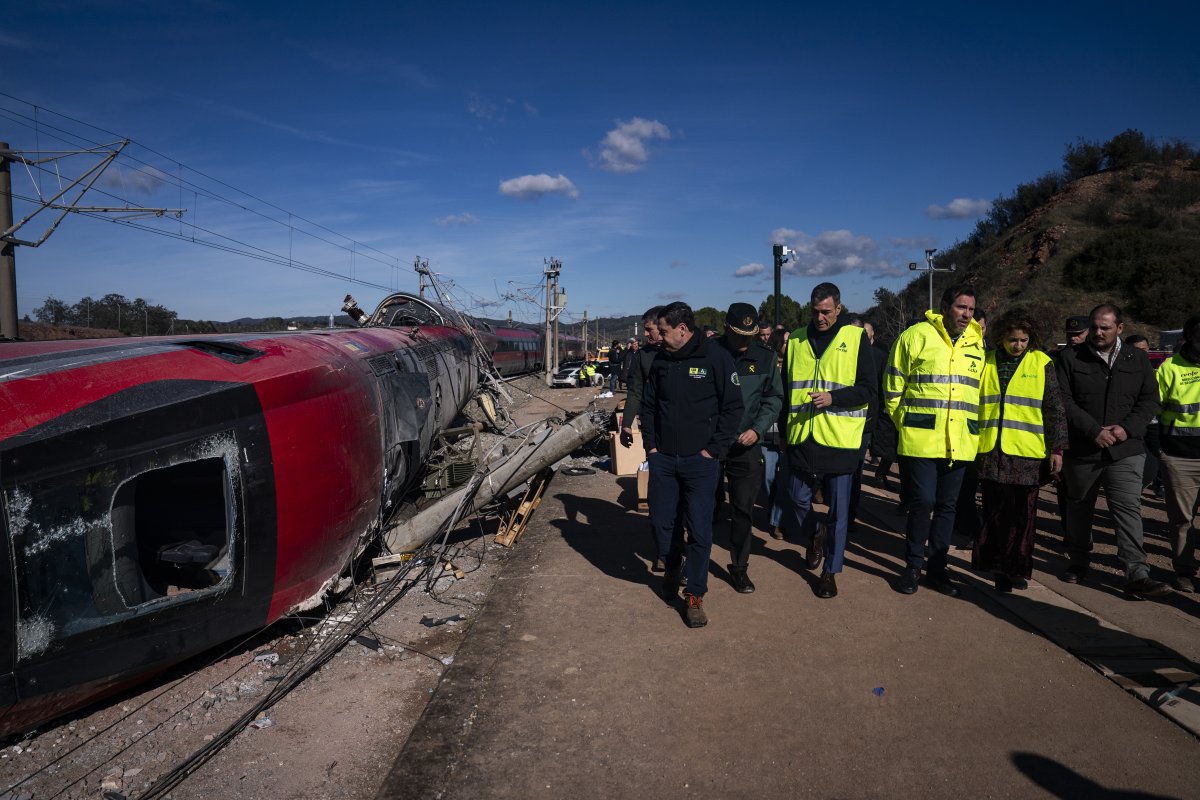
On January 18, 2026, a high-speed train derailed near Adamuz, in the province of Córdoba, Spain, causing at least 42 deaths and injuring over 150 people. The accident completely severed the main railway artery connecting the capital, Madrid, to the southern region of Andalusia, which includes major cities like Seville and Málaga. In the aftermath, major stations such as Madrid’s Atocha fell into chaos, disrupting the travel plans of thousands of passengers scheduled to travel with Renfe, Spain’s national railway company.
Stranded Passengers Face Soaring Prices
Following the paralysis of rail services, a massive number of travelers rushed to airports and car rental agencies for alternative transport, causing an instant surge in demand and a subsequent abnormal price hike for related services. According to stranded passengers, car rental services that normally cost around €80 surged to over €200 after the accident, with some quotes reaching as high as €1000. Similarly, airline ticket prices climbed sharply. One passenger reported that an Iberia flight ticket jumped from €128 to between €300 and €500 in a short period. Meanwhile, long-distance bus tickets also sold out quickly, becoming incredibly difficult to find.
The Legal and Ethical Debate Over Dynamic Pricing
This unusual price volatility sparked a debate about businesses ‘profiteering from disaster’. Rubén Sánchez, the secretary-general of the consumer association FACUA, pointed out that the core of the issue lies in a legal ‘grey area’. Although Spain passed a new law in November 2024 prohibiting automatic price increases based on demand during officially declared ‘civil protection emergencies’, this train accident was not immediately classified as such. Consequently, the dynamic pricing algorithms of airlines and car rental companies, without human intervention, automatically raised prices based solely on market supply and demand. This exposed the ethical shortcomings of automated commercial systems in responding to disasters.
Passenger Rights and Subsequent Airline Actions
For the affected passengers, Spain’s national railway company, Renfe, holds responsibility. According to regulations, passengers are entitled to a full refund or rebooking. If a train cancellation results in an overnight stay, Renfe must provide or reimburse accommodation costs. If Renfe fails to offer alternative transportation within 100 minutes of the original departure time, the cost of bus tickets purchased by passengers themselves can also be claimed for reimbursement. However, it should be noted that expensive flight tickets purchased by passengers on their own are generally not covered for compensation.
A few days after the accident, Iberia, as Spain’s flag carrier, announced an increase in the number of flights between Madrid and southern cities. It also capped one-way ticket prices on these routes at €99 to address the transportation crisis.
