Madrid’s Prized Appointments: The Plight of the Black Market
For many immigrants in Spain, securing an administrative appointment (Cita Previa) is the first, yet most challenging, step toward obtaining legal residency and work status. In the capital, Madrid, the gap between insufficient public administrative resources and the ever-growing demand from immigrants has created a sharp conflict. According to statistics, Madrid’s population has surpassed 3.5 million due to an influx of 124,000 new immigrants, leading to a situation where appointments for various administrative procedures are incredibly difficult to obtain.
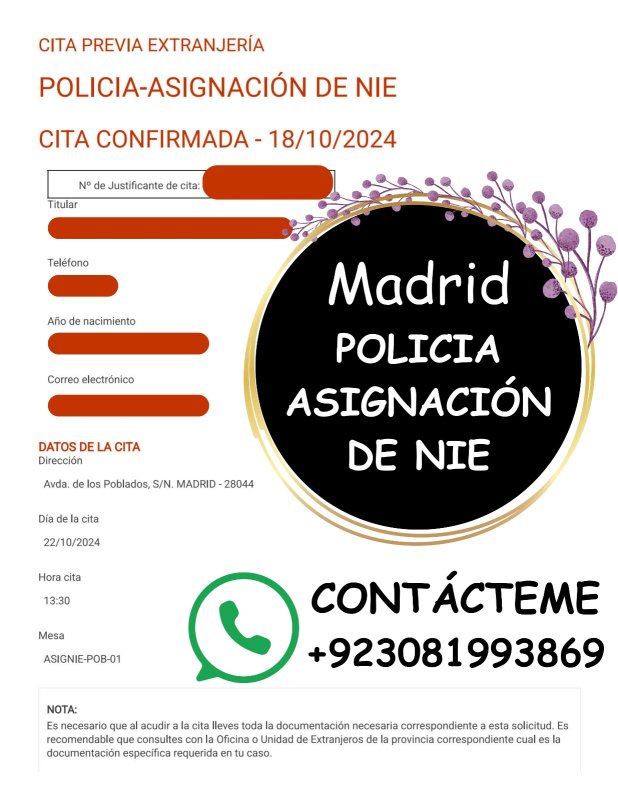
This scarcity has fueled a grey market. On secondhand platforms like Milanuncios, “professionals” offer services to book appointments. A single slot for residency procedures or at the General Directorate of Traffic (DGT) can be sold for as much as €400. Behind this is the urgent need of tens of thousands of immigrants to obtain or renew residence permits, apply for asylum, or exchange their driver’s licenses.
Supply-Demand Imbalance: Administrative Bottlenecks Under the Immigration Wave
The widespread difficulty in booking appointments across Spain is the result of multiple compounding factors. On one hand, the administrative system has limited processing capacity; on the other, the immigrant population continues to grow, causing a dramatic surge in demand. This “perfect storm” has created opportunities for profiteers who exploit the desperation of others. They use technical means to hoard the already scarce appointment slots and resell them at exorbitant prices, amplifying the anxiety of the entire community.
Whether it’s for fingerprinting for a Foreigner Identity Card (TIE) or for academic credential recognition, many immigrants are forced into months-long waits, hindering their path to legal residency and employment.
Barcelona’s Reform Initiative: The Automated Appointment Allocation Pilot
In contrast to the chaotic situation in Madrid, the province of Barcelona is exploring a new solution. According to information dated January 2026, a pilot reform of the appointment allocation mechanism is being implemented for specific immigration procedures.
The pilot is primarily being conducted at police stations in areas like L’Hospitalet de Llobregat, near Barcelona, and focuses on the issuance of the Foreigner Identity Card (TIE) and the fingerprinting process (toma de huellas). Under the new system, once an applicant’s residence permit or other documents are administratively approved, the system will directly assign them a specific appointment date and time (día y hora), eliminating the need for individuals to scramble for a slot. The applicant or their legal representative is then notified via SMS or email.
Future Prospects: The Shift from “Snatching” to “Assigning” Appointments
Some legal service platforms have interpreted this reform as the government “gifting” citas. In essence, it is a simplification and automation of the administrative process. It aims to alleviate the appointment gridlock caused by information asymmetry and manual hoarding at the source. However, officials emphasize that this is still in a pilot phase and not yet fully implemented nationwide.
If applicants do not receive an automatic notification or are unable to attend at the assigned time for valid reasons, they can still use traditional methods, such as the official website, to book an appointment themselves. This exploratory measure, although limited in scope, represents an effort by the Spanish government to address long-standing administrative efficiency problems, creating a stark contrast with the escalating appointment black market in cities like Madrid.
