Introduction
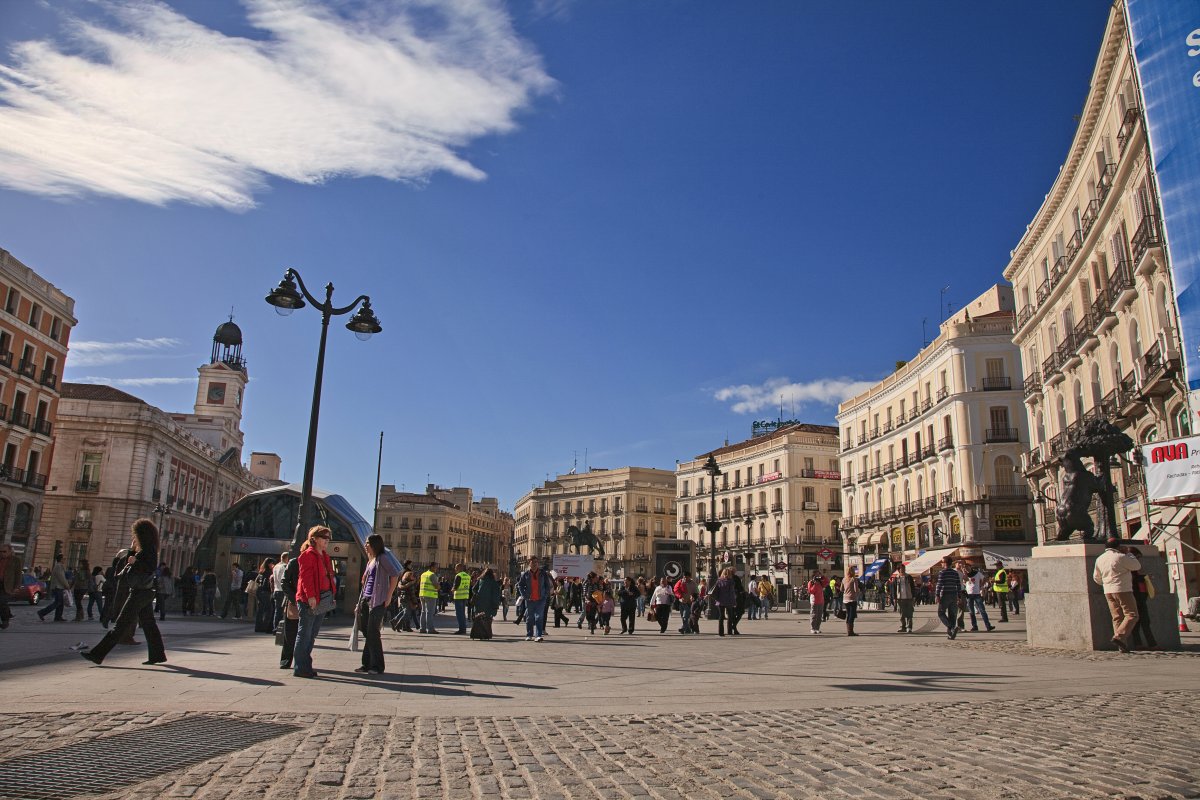
At the recent International Tourism Fair (Fitur), the Community of Madrid and the Valencian Community officially signed a tourism cooperation agreement. This pact aims to break down regional barriers, closely linking the capital’s urban culture with the sunny Mediterranean coast to create a more attractive, integrated tourist destination for international visitors.
Economy and Strategy: Promoting Year-Round Tourism
Isabel Díaz Ayuso, President of the Community of Madrid, pointed out that tourism is a key pillar of the regional economy, accounting for 8.7% of Madrid’s GDP and creating about 300,000 jobs. She emphasized that one of the goals of this collaboration is to overcome the seasonal limitations of tourism, encouraging visitors to experience the charm of both regions at any time of the year. Through joint promotion, both parties hope to increase tourist numbers and average length of stay, thereby boosting tourism revenue and fostering the development of a high-quality tourism industry.
Collaboration Details: Integrating Coastal and Inland Charm
According to the agreement, both parties will jointly plan and launch promotional activities aimed at international markets. Juanfran Pérez Llorca, representing the Valencian Community, stated that this partnership will allow tourists to seamlessly switch experiences within a single trip: immersing themselves in the vibrant atmosphere of Madrid as a center for culture, art, and major events, before enjoying the Mediterranean scenery, unique cuisine, and tranquil beaches of the Valencia region. From a calamari sandwich in downtown Madrid to an authentic paella by the sea in Valencia, it offers travelers a complete “from the capital to the coast” experience.
Expanding the Blueprint: Discovering World Heritage and Inland Treasures
Both leaders emphasized that future tourism promotion will not be limited to traditional city centers or coastlines. The collaboration will focus on discovering and promoting a more diverse range of tourism resources. This includes the four World Heritage cultural treasures within the Community of Madrid: the Landscape of Light (Paisaje de la Luz), Alcalá de Henares, Aranjuez, and the Monastery of San Lorenzo del Escorial. Simultaneously, the vast landscapes of Valencia’s inland towns will also become a promotional focus, guiding tourists to explore the deeper customs of Spain. Ayuso added that Spain’s 17 autonomous communities should strengthen cooperation to jointly build a unified tourism market without administrative borders.
