Emergency Speed Restrictions on Key High-Speed Line
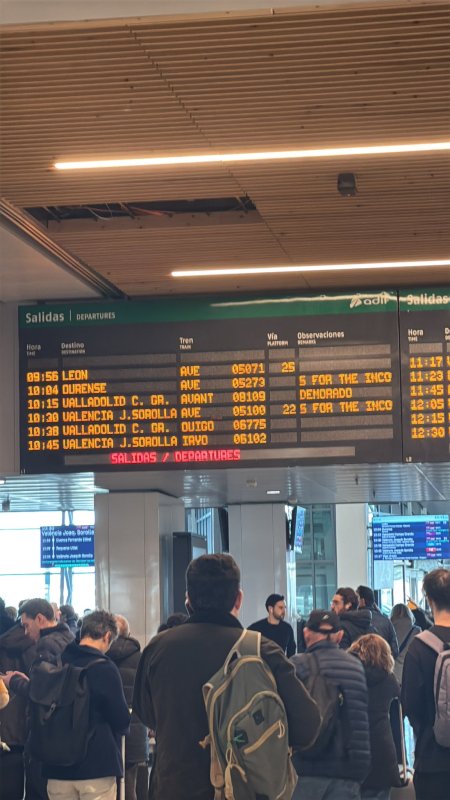
This Wednesday, Spain’s state-owned railway infrastructure manager, Adif, issued an emergency speed restriction for the core Madrid-Barcelona high-speed line. The decision came after a single driver filed 25 safety reports on Tuesday, citing “violent shaking” and “strong jolts,” especially on a 150-kilometer stretch between Madrid and Zaragoza. To prevent potential accidents, Adif slashed the maximum speed on this section from 300 km/h to 160 km/h. This triggered a domino effect, causing severe delays for numerous trains, leading to overcrowding at major stations like Madrid’s Atocha, and leaving tens of thousands of passengers stranded as they missed their connections.
Regional and Commuter Rail Services Disrupted
Beyond the main high-speed route, rail services in several other Spanish regions were also paralyzed. In Catalonia, the Rodalies commuter rail system was almost entirely shut down for the day, impacted by a landslide from the previous day’s heavy rain and subsequent safety inspections. Meanwhile, in the northern Basque Country, a fallen tree destroyed a section of track, also causing a partial suspension of commuter services. Although the Ministry of Transport tried to arrange for alternative bus transport, the national coordination system was overwhelmed by the sheer volume of affected passengers.
Dispute Over Cause and Ongoing Inspections
Regarding the surge in track safety alerts, Minister of Transport Óscar Puente suggested at a press conference that it might be linked to heightened stress among railway staff following a recent spate of accidents. However, railway unions maintain that the frequent vibrations are direct proof of substantive defects in the track infrastructure. Adif’s technical teams are now conducting urgent physical inspections of the reported sections to determine the root cause of the issues.
Grim Outlook Amidst Storms and Strike Threats
Complicating matters further, Spain is facing multiple additional pressures. Superstorm “Ingrid” is forecast to cross the country soon, potentially causing more damage to the railway infrastructure. Furthermore, the threat of a national rail strike looms over the industry. Under the combined pressure of these internal and external factors, the reliability and reputation of the Spanish railway system are facing an unprecedented test.
