Hey everyone on the forum! I’ve been lurking for a while, seeing you all chat about work and food. Today, I wanted to start a thread specifically to share some real advice with fellow students planning to study art in Spain. I came to Madrid myself with two giant art cases, so I hope my experience can help you avoid some of the pitfalls along the way.
Why choose Spain? Beyond the sun and beaches, the artistic atmosphere here is incredible. From Velázquez and Goya to Picasso and Dalí, the entire country is like a massive art museum. The feeling of seeing original masterpieces at the Prado Museum will truly change your understanding of painting. This kind of immersive learning environment is something you just can’t get back home.
Let’s Talk About Spain’s Top Art Schools
The quality of art education in Spain’s public universities is very high, and the tuition fees are much more affordable compared to the UK or the US. Here’s a rundown of a few Spanish art universities and schools that I’m familiar with and would recommend. This is all just my personal opinion, of course!
| University | City | Strengths/Strong Programs | Personal Comments |
|---|
| Complutense University of Madrid | Madrid | Fine Arts, Art History, Design | A comprehensive university with great networking opportunities in the art scene, but facilities can be a bit old. Madrid’s art resources are unbeatable. |
| Polytechnic University of Valencia | Valencia | Design, Multimedia, Fine Arts | Beautiful campus, new facilities, with a focus on technology and modern art. The city has a low cost of living. |
| University of Barcelona | Barcelona | Fine Arts, Art/Cultural Heritage Restoration | Rich artistic atmosphere—it’s Gaudí’s city, you know what I mean. It’s in the Catalan-speaking region, so you’ll need to adapt. |
| University of the Basque Country | Bilbao | Fine Arts, Sculpture | Located in Bilbao, home to the Guggenheim Museum. It has an avant-garde style, great for creative work. |
What Do You Need to Prepare Before Applying?
Language is the first hurdle. A DELE B2 certificate is pretty much the standard requirement. Professors speak quickly in class, and you’ll be completely lost if you can’t understand. The most important thing is your portfolio! It’s infinitely more important than your standardized test scores from back home. Your portfolio should showcase your personality, skills, and creative process—don’t just include a few plaster cast sketches. Leave that kind of exam-oriented work out. Put your boldest and most interesting ideas in there!
Real university life begins when you enter the taller (workshop). You’ll spend all your time in the studio with classmates, discussing projects, and preparing for exhibitions. Art supplies can be a significant expense, especially for oil painting and sculpture students. I recommend checking out the discount sections at art supply stores or buying second-hand materials from senior students.
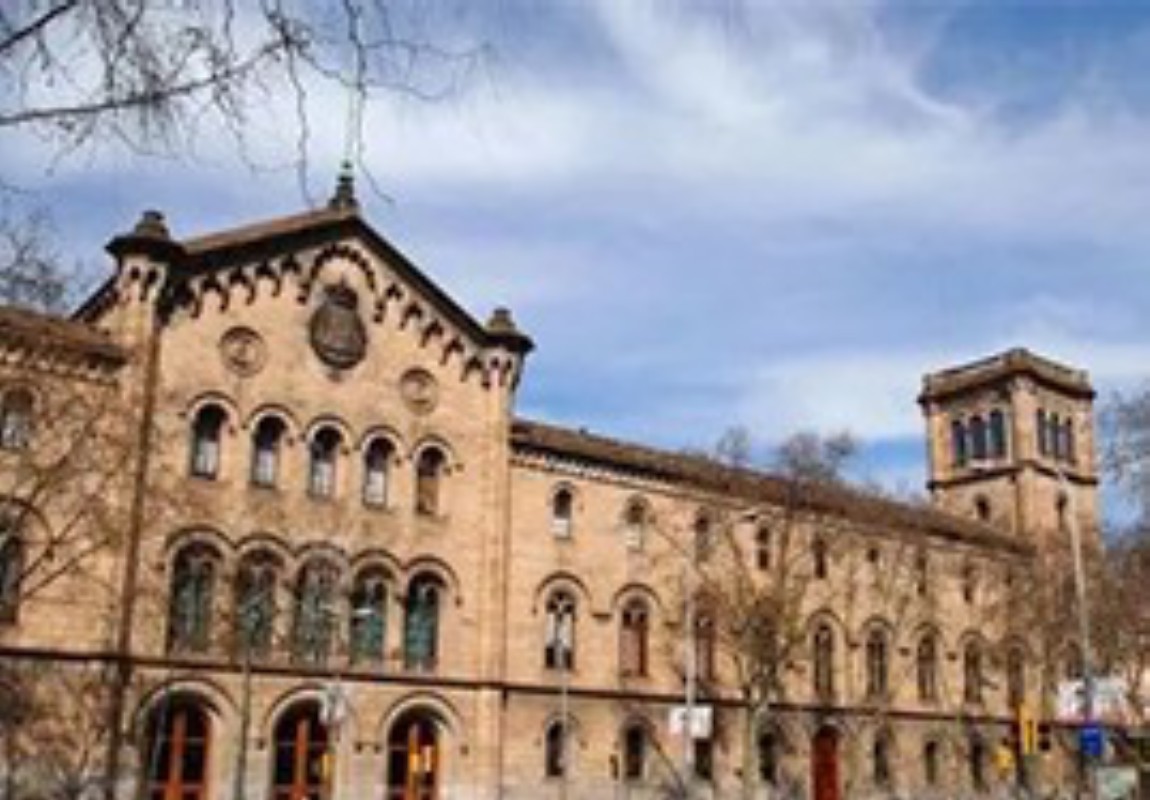
This picture is of the Prado Museum. When I first arrived, I went every week and always discovered something new. I highly recommend getting a youth card, as it offers free or half-price admission to many museums.
Studying art in Spain is a bittersweet journey. It gives you more than just technical skills; it offers a new aesthetic and a different way of seeing the world. I hope this can offer a little guidance to those of you feeling lost. If you have any questions or other university recommendations, feel free to leave a comment and discuss below!
