Spain’s Dark Week for Railways: Frequent Fatal Accidents Point to Systemic Failure
Four Accidents in One Week, Sounding the Safety Alarms
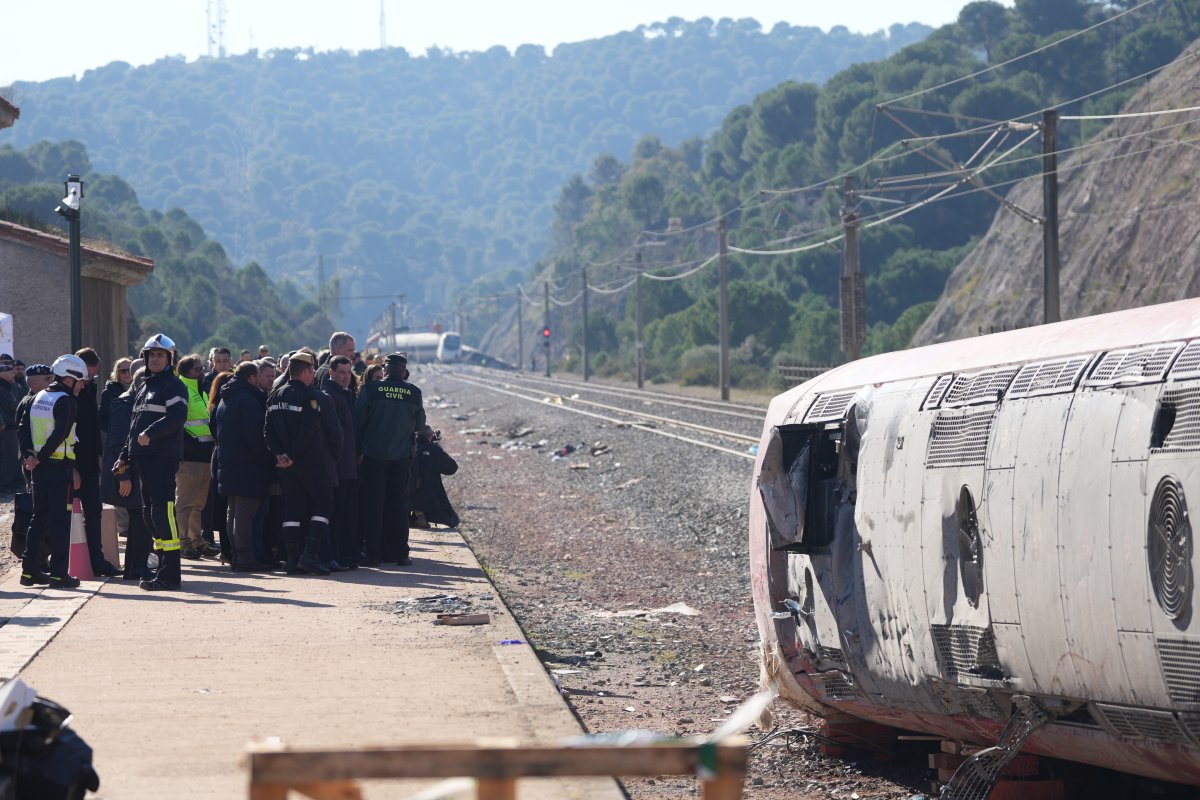
From January 18 to 22, 2026, Spain’s railway system suffered consecutive blows. On the 18th, an Iryo train derailed near Adamuz and collided with an oncoming Renfe train, leading to 45 fatalities and over a hundred injuries. Shortly after, on the 20th, a train derailed near Barcelona after hitting debris on the track, killing a 28-year-old trainee driver; on the same day in Girona, another derailment occurred due to heavy rain. On the 22nd, in Cartagena, a FEVE (narrow-gauge railway) train collided with a crane, causing six minor injuries.
Multiple Warnings Ignored, Tragedy Could Have Been Avoided
Investigations revealed numerous warnings before the fatal Adamuz accident. A 30 cm crack was found on the track section, and sensors on several previous trains had already recorded anomalies at that location. Maintenance staff had earlier discovered damage on the wheels of another Talgo train related to the track defect. Furthermore, on the day of the Catalonia accident, Renfe had received a written warning from a driver about safety hazards from heavy rain, but it received no effective response.
Railway Workers Protest, Demanding Safety Guarantees
The frequent accidents triggered strong dissatisfaction among frontline workers. Starting January 20, drivers of Rodalies de Catalunya (Catalonia’s commuter rail) began protesting by refusing to operate trains. Both the Spanish Union of Railway Drivers (SEMAF) and the Workers’ Commissions (CCOO) issued statements condemning ADIF and Renfe for failing to provide a safe operating environment, demanding immediate effective measures to review and strengthen safety protocols.
Core Issues Surface: Frozen Budgets and Lapsed Maintenance
As the investigation deepened, systemic problems were fully exposed. ADIF, responsible for the construction and maintenance of railway infrastructure, admitted that despite continuous growth in track mileage and passenger volume, its maintenance budget has not increased since 2013. More seriously, a high-speed rail ultrasonic flaw detection test, which was ordered in October 2025 to find internal track defects, was ultimately shelved because ADIF failed to sign a contract with a specialized company, missing the opportunity to discover the potentially fatal cracks.
