Emergency Precautionary Speed Reduction
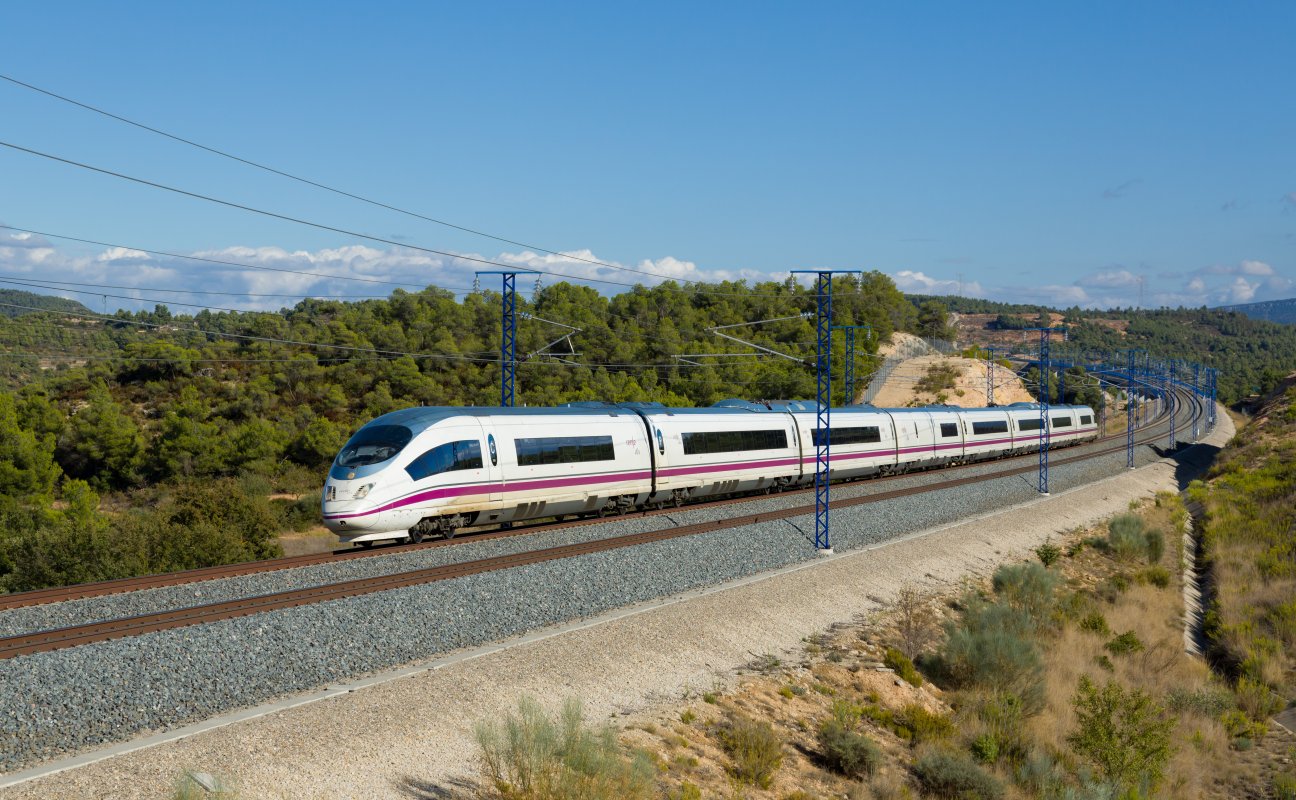
On Tuesday, January 23, 2026, Spain’s railway infrastructure administrator (Adif) officially announced a temporary speed restriction on a significant section of the Madrid-Barcelona high-speed line. The affected area spans approximately 150 kilometers, nearly a quarter of the entire route, from Mejorada del Campo in the Community of Madrid to Alhama de Aragón in the province of Zaragoza. Adif stated this is a “precautionary measure based on safety considerations and in strict compliance with current safety protocols,” prompted by several drivers reporting track irregularities.
Drivers Had Previously Reported Anomalies
The official speed restriction was not without warning. Previously, several train drivers had independently reduced their speed upon detecting unusual vibrations. Reports indicate that issues on the line had been flagged for months. Following the recent derailment on the Adamuz section, drivers once again reported the safety hazards, ultimately compelling Adif to act. The subsequent confirmation from the Commission for the Investigation of Railway Accidents (CIAF) that the Adamuz incident was directly caused by the train passing over a pre-existing track fracture further validated the drivers’ concerns about the line’s overall condition.
Political Reaction and Public Concern
Adif’s decision quickly drew attention from the Spanish political sphere. The Deputy Secretary for Economic Affairs of the People’s Party (PP), Juan Bravo, publicly demanded an immediate explanation from the government, calling the speed reduction a “clear contradiction” to the statement made just months earlier by Transport Minister Óscar Puente about increasing the line’s speed to 350 km/h. Pablo Fernández, co-spokesperson for the left-wing party Podemos, also stated that the government must provide a detailed explanation, or it could “trigger serious public distrust in railway safety.”
History of Safety Disputes
In fact, disputes between management and industry unions over safety standards and maintenance on high-speed lines are not new. As early as August 2025, the Spanish Union of Train Drivers (Semaf) expressed concerns about the overall condition of the tracks and formally requested Adif to impose a uniform maximum speed limit of 250 km/h on the Madrid-Seville line until track conditions were fully compliant. However, Adif rejected the request at the time, claiming Semaf’s proposal “lacked a clear technical basis.” Currently, maintenance crews are conducting overnight inspections on the restricted section, and their final report will determine whether this temporary speed limit will be extended.
