Recently, I’ve seen many prospective students asking what to do after their national college entrance exam (Gaokao) scores were converted, but they didn’t get into their preferred program in the first round of Spanish university applications, or they were assigned to a less-than-ideal university. It can feel like the end of the world. But don’t start despairing just yet! The Spanish university application system has a ‘lifeline,’ which we often refer to as ‘second-round admission,’ officially known as the Convocatoria Extraordinaria.
In simple terms, this Extraordinaria phase is an additional round of admissions for programs with vacant spots after the regular admission period has concluded. So, who is eligible to participate? Generally, it includes: students who applied in the first round but weren’t admitted anywhere; those who were admitted but want to try for a better option; or even those who missed the first application window entirely. However, you need to be realistic. The spots available in this phase are typically leftovers, so you can forget about top-tier programs at the most popular universities. Highly competitive courses like Economics and Business at UAM or Communication at UCM are long gone. Nevertheless, for students who just want to secure a place at a university or are hoping to find a hidden gem among less popular programs, this is an excellent opportunity.
Key Dates
The timeline can vary slightly each year and between autonomous communities, so you must confirm the exact dates on the official website of the university district you are applying to. However, the process and general timeframe are largely the same. Here’s a general timeline from previous years in the Community of Madrid for your reference:
| Phase | Approximate Time |
|---|
| Second-Round Application Submission | Late July |
| Admission Results Published | Early September |
| Appeal Period | Within a few days of results publication |
| Enrollment and Registration | Mid-September |
As you can see from the timeline, the entire process is very tight and basically operates on a ‘first-come, first-served’ basis. Therefore, if you’re considering this option, you must start monitoring the admissions pages on university websites intensively from mid-July to avoid missing the application window!
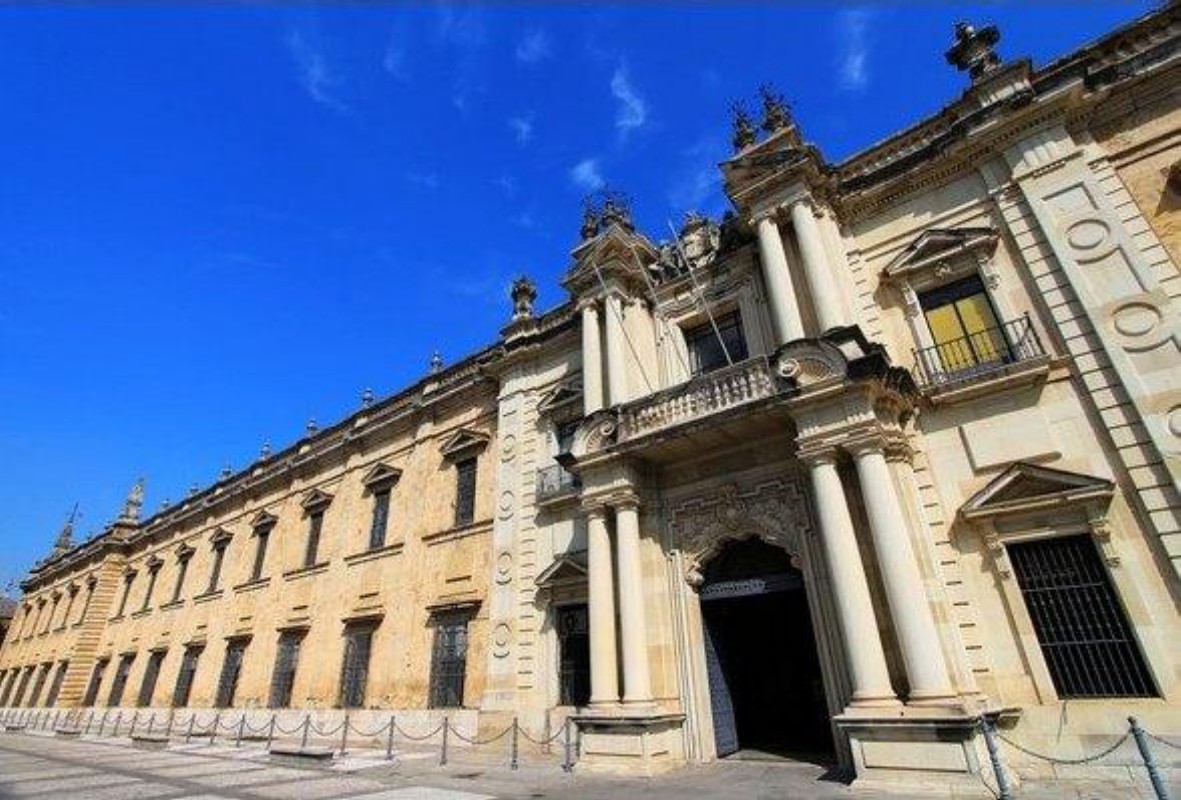
The actual process isn’t difficult and is quite similar to the first application, still managed through the corresponding regional university application system. You’ll need to log in, see which programs still have vacancies, and then re-prioritize your choices based on your score and interests. My advice is to be pragmatic with your strategy. Don’t keep aiming for programs with extremely high cut-off scores. Instead, explore courses you might have overlooked before that have interesting curricula; you might find a pleasant surprise. Additionally, some universities might release a tiny number of spots after the semester starts in September. To pursue these, you’ll need to contact the university’s administrative office (secretaría) directly. This is the ultimate last-minute strategy, but be sure to understand the process for Spanish university second-round admissions and the related admission requirements.
Failing to get in during the first round isn’t the end of the world, and the second-round admission phase is definitely worth a try. It tests your information-gathering skills and your ability to make quick decisions. I hope this information helps those of you who are feeling anxious. Has anyone here participated in the second round before? Or do you have any questions? Feel free to leave a comment below so we can figure it out together! Wishing everyone the best of luck in securing a spot
!
