Thinking of Studying Art in Spain? Let’s Talk About the World Rankings of Spanish Art Universities
Recently, a friend was considering studying art in Spain and kept asking me for school recommendations. To be honest, art is quite subjective, but university rankings offer a relatively objective benchmark. So, I looked up the latest 2024 QS World University Rankings by Subject to compile some information about Spanish art universities and share it with those on the forum who might find it useful.
Spanish Presence in the QS Art & Design Rankings
In this year’s QS rankings, several Spanish universities have made it into the world’s top 100 for Art & Design, which is quite impressive. The art faculties of some of the well-established comprehensive universities are particularly strong. I’ve put together a simple table below, listing the top-ranked schools and their ranking brackets:
| English Name | Spanish Name | 2024 QS World Ranking |
|---|
| Complutense University of Madrid | Universidad Complutense de Madrid | 51-100 |
| University of Barcelona | Universitat de Barcelona | 51-100 |
| Polytechnic University of Valencia | Universitat Politècnica de València | 51-100 |
| Polytechnic University of Catalonia | Universitat Politècnica de Catalunya | 101-150 |
| Polytechnic University of Madrid | Universidad Politécnica de Madrid | 101-150 |
As you can see, the art faculties of top comprehensive universities like Complutense University of Madrid and the University of Barcelona are the leaders in Spain. Their programs in art history, fine arts, and other areas are rich in history and prestige. Meanwhile, polytechnic universities like the Polytechnic University of Valencia are strong in emerging fields like design and digital arts.
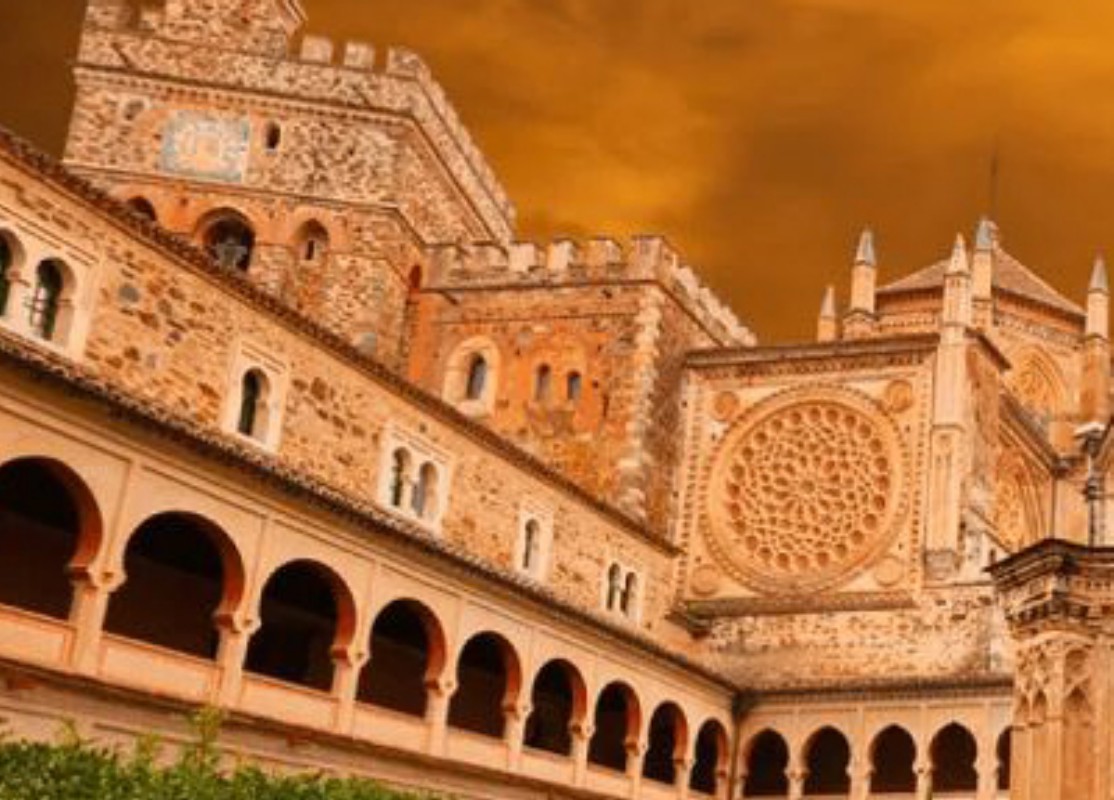
Rankings aren’t everything
! When choosing an art school, factors like the city’s artistic atmosphere, the faculty, the school’s style, and how well it fits you are crucial. For example, in Madrid, you can visit the Prado Museum and the Reina Sofía Art Centre daily; in Barcelona, Gaudí’s architecture will be your greatest source of inspiration. These are intangible strengths that numbers can’t reflect. Choosing a city that inspires you might be more important than choosing a school that ranks a few places higher. I was going to talk about the application difficulty for each school, but that’s too subjective.
So, my advice is: use the rankings as an initial screening tool, but then you must delve deeper and research Spanish art universities
to understand their specific curriculum, faculty portfolios, and student projects. If possible, try to connect with current students to hear about their real experiences. I hope this little guide helps, and I welcome all experts to add to the discussion and share your favorite hidden gem art schools!
