A friend recently asked for advice on choosing a university to study in Spain, which led me to look up the latest QS World University Rankings. Every time I see this list, it gets me thinking about how different the university landscape is from what we might be used to, like the concept of ‘Ivy League’ equivalents in other countries. So today, I want to discuss where Spanish universities really stand in the European context and take a look at how universities in neighboring Central European countries are performing.
A Breakdown of Spanish University Tiers
When you think of top universities in Spain, the two powerhouses in Madrid and Barcelona immediately come to mind. Indeed, the Complutense University of Madrid and the University of Barcelona have consistently held the top two spots in the country. In the latest 2024 QS rankings, both universities are firmly placed within the global top 200, classifying them as world-class institutions. Following closely are the Autonomous University of Madrid, the Autonomous University of Barcelona, and the University of Navarra, all of which are also highly formidable schools.
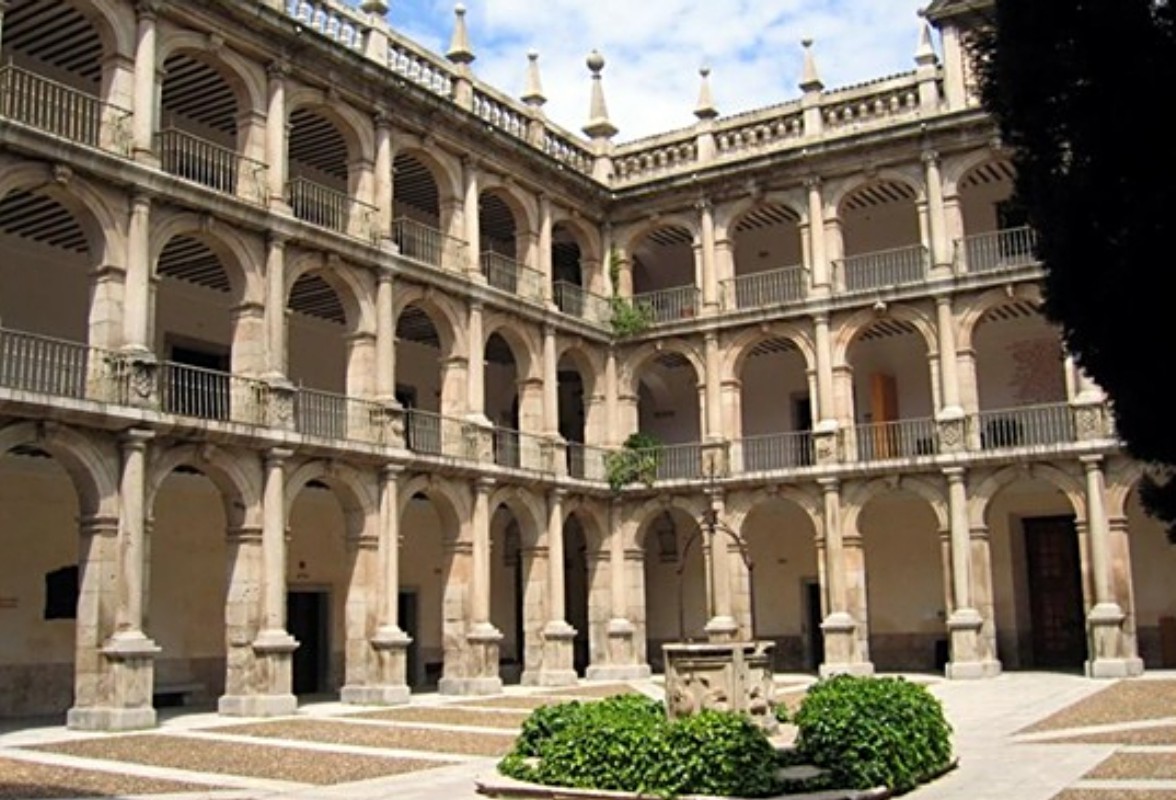
To provide a clearer picture, I’ve put together a simple table listing the rankings of several well-known Spanish universities. Of course, rankings fluctuate every year, so just use this as a general guide:
| University Name | 2024 QS World Ranking |
|---|
| Autonomous University of Barcelona | 149 |
| University of Barcelona | 164 |
| Complutense University of Madrid | 171 |
| Autonomous University of Madrid | 199 |
| Pompeu Fabra University | 295 |
So, how do they compare to other European countries, like Germany and Austria? Frankly, if you only look at the overall rankings, Germany’s top universities, such as the Technical University of Munich and the Ludwig Maximilian University of Munich, do rank higher than Spain’s best, often placing in the global top 50. However, this also means more intense competition and potentially stricter language requirements. Meanwhile, universities like the University of Warsaw in Poland and Charles University in the Czech Republic are ranked in a similar bracket to Spain’s top institutions. Therefore, Spanish universities can be considered in the upper-middle tier in Europe, offering excellent value for money.
Rankings Aren’t Everything
Lastly, I want to emphasize that rankings are just a reference; they should never be the sole criterion for choosing a school. When choosing Spain, many people are drawn by its cultural atmosphere, quality of life, and relatively low study costs. Many Spanish universities are actually top-tier in specific fields—for example, IE and ESADE in business, or ELISAVA in design, all of which are highly acclaimed in their professional rankings. So while looking at overall rankings, it is essential to consider your own major and interests. For instance, you can dive deeper into program rankings for CEU universities in Spain to see how this varies. Be sure to align your choice with your personal academic and career goals.
What are your thoughts on Spanish university rankings? Or if there are any current students or alumni from these schools here, feel free to share your real experiences!
