Isabel Díaz Ayuso, President of the Community of Madrid, announced this week a plan to cut the regional personal income tax (IRPF) rate by another 0.5 percentage points in 2027. This move continues the region’s ongoing tax reduction policy, aimed at further stimulating economic activity and improving resident welfare.
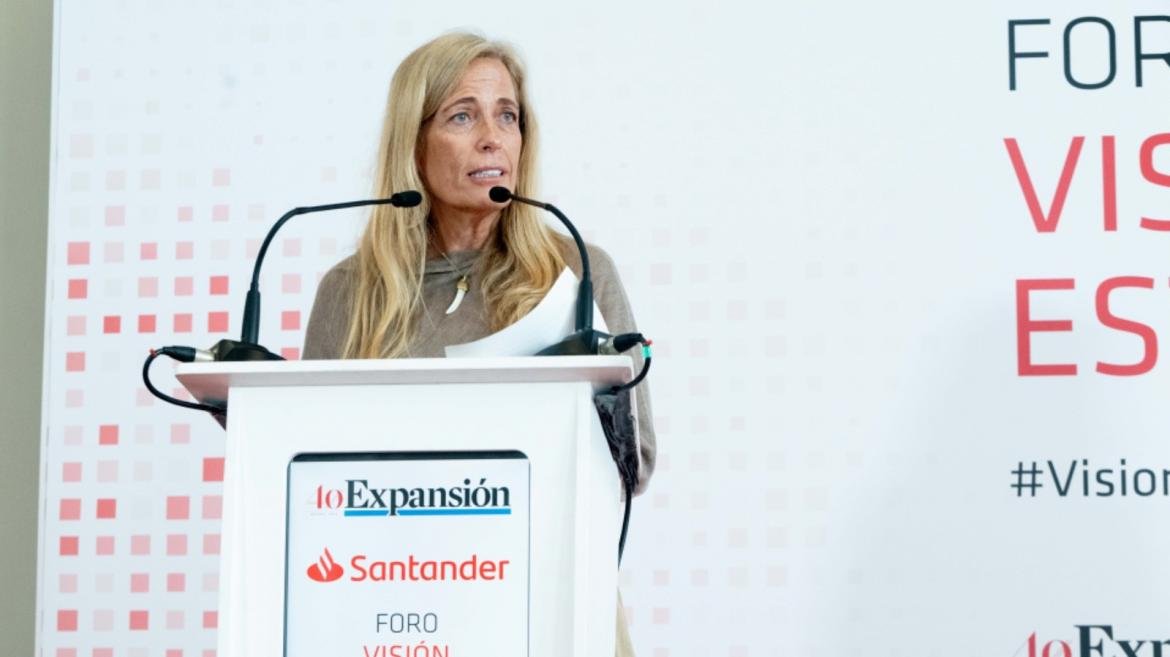
New Round of Personal Income Tax Cuts
This tax reform builds upon the 0.5 percentage point cut already implemented in 2022. Once the new policy is in effect, the minimum marginal personal income tax rate in Madrid will drop to 8%, and the maximum rate will be 20%. The Madrid government estimates this new measure will save the region’s 2.9 million taxpayers nearly €500 million. Approximately 71% of the beneficiaries are residents with an annual income below €35,000, reflecting the policy’s focus on supporting low to middle-income groups.
A Consistent Low-Tax Strategy
Since the Ayuso administration took office in 2019, the Community of Madrid has implemented a total of 34 tax reduction measures across various sectors, saving taxpayers a cumulative €40 billion. The region’s low-tax environment gives it a significant advantage over other autonomous communities. For instance, taxpayers in Madrid pay, on average, €635 less in taxes per year compared to their counterparts in Catalonia. The government emphasizes that its low-tax policy is a key driver for attracting investment, talent, and job creation, making it the only autonomous community in Spain that has not created new regional taxes in the past four years.
Strengthening Housing and Social Governance
In terms of social policy, the Madrid government is strengthening its crackdown on illegal squatting (‘Okupa’). Under the new housing bill currently under review, individuals convicted of squatting will lose their eligibility to apply for public housing in the region for five years. The legislation is expected to be approved in July 2026. Furthermore, the bill will raise the residency requirement for applying for subsidized housing to 10 consecutive years in Madrid, ensuring public resources prioritize long-term local residents.
Support Policies for Specific Groups
Starting in 2026, Madrid has launched two new targeted tax relief initiatives. First, it offers a 50% tuition fee deduction for young people under 30 who work and study, expected to benefit around 15,000 individuals. Second, to support the growth of local businesses, it provides an incentive of up to 95% off property transfer and legal registration taxes for existing companies. These measures, combined with broader tax reforms, form Madrid’s comprehensive strategy to optimize the business environment and enhance social welfare.
