Having been in Spain for a while, it seems many people have a great impression of Spanish universities—sun, beaches, a relaxed academic atmosphere. But for those who have actually studied here, especially those who have gone through Spanish university interview questions, there are probably plenty of complaints to share, right? Today, I’m starting this thread to open up the conversation and take stock of the ‘pitfalls’ of Spanish higher education.
Problem 1: Outdated Curricula Disconnected from the Real World
This might be the biggest complaint. Many degree programs haven’t updated their curricula in decades. Professors are top-notch in theory, but what they teach often fails to keep up with the times. After four years of hard work, it feels like we’ve learned a bunch of obsolete skills, leaving us dumbfounded when it’s time to find a job. Practical skills that companies actually need, like the latest software or industry workflows, are simply not taught in school. It’s a classic case of “I’ve learned it, but not really.”
Problem 2: High Tuition for a Disproportionate Return
While Spanish public universities were once known for their low tuition, fees for non-EU students are now rising every year. A master’s degree can easily cost over ten thousand euros. And what about post-graduation salaries? Let’s just say they’re underwhelming. The dream of a high-paying job right after graduation is pretty much non-existent. Many find their first salary barely covers living expenses. This return on investment is genuinely stressful.
Problem 3: Inefficient Administrative System
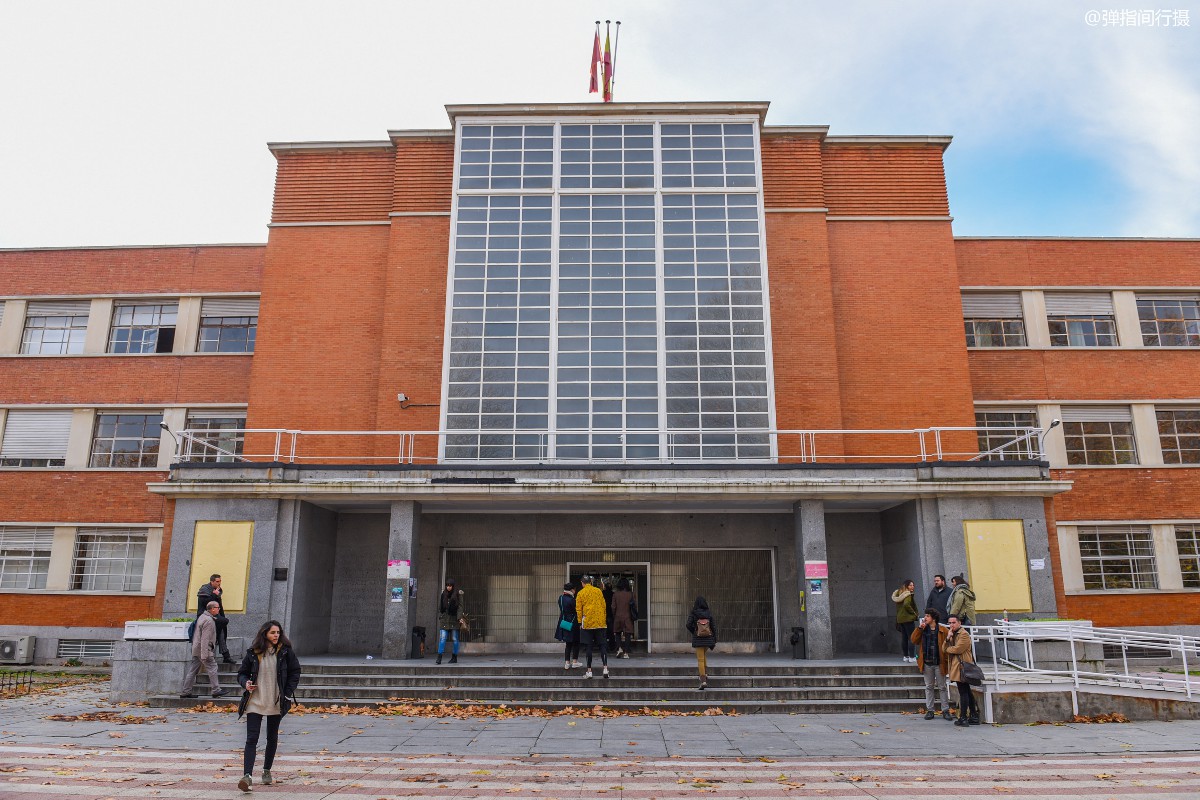
If curriculum issues are tolerable, and considering the various safety concerns for studying at Spanish universities, the university’s administrative bureaucracy is what can truly drive you mad. Registration, course selection, document applications, credit recognition… every step can feel like an endless battle. It’s common for emails to go unanswered and phone calls to be ignored. The only effective method is to go to the office in person, only to find them on a coffee break or simply telling you “mañana”. The word ‘slow’ is taken to the MAX level.
Comparison of Common Administrative Process Times
To give you a clearer picture, here’s a simple table:
| Task | Ideal Time | Actual Time |
|---|
| Course Registration | 1 hour | 3 days - 2 weeks |
| Transcript Request | 2 business days | 1 month or more |
| Degree Recognition Inquiry | 1 email | N emails + 2 in-person visits |
Gripes aside, Spanish universities do have their merits, such as a rich history and a relatively free academic atmosphere. However, the problems mentioned above are very real and have caused a lot of trouble for many international students. Have you encountered similar situations at your university? Feel free to share your experiences and join the discussion in the comments below!
