Market Transaction Speed Hits Fever Pitch, Rental and Sales Cycles Shrink to New Lows
According to the 23rd Real Estate Industry Survey Report, co-released by the Unión de Créditos Inmobiliarios (UCI) and SIRA, the supply-demand conflict in the Spanish property market has reached a critical point. Data shows that the average time to rent out a property nationwide is now just 8 days, while the period from listing to final sale has been drastically reduced to 54 days. The fundamental reason for this “lightning-speed” transaction phenomenon is the extreme scarcity of market inventory contrasted with sustained high demand.
Core City Housing Shortage, Rental Market Pressure Intensifies
The report specifically points out that in core cities like Madrid, Barcelona, Valencia, and Málaga, the inventory of available properties for sale and rent is nearly exhausted. This “funnel-like” market structure not only drives up rental prices but also gives landlords immense selective power, leading to exceptionally strict tenant screening criteria. Many renters, especially young people, are forced to accept less-than-ideal housing as a temporary solution because they cannot compete, which in turn accelerates market turnover and exacerbates the tense atmosphere.
Strong Expectations for 2026 Price Hikes Driven by Structural Shortages
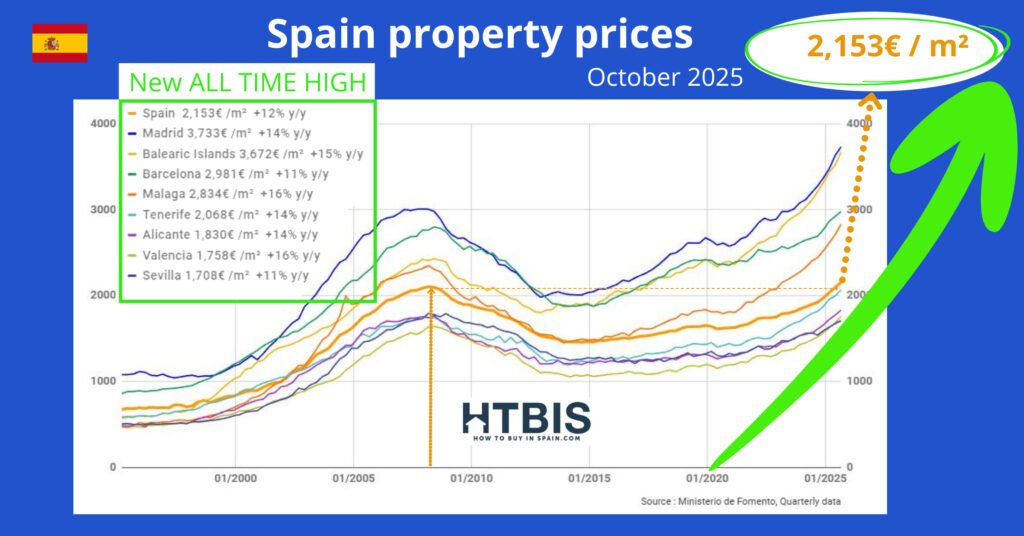
Looking ahead, prospects for a market cooldown are dim. A staggering 90% of surveyed real estate professionals believe that a structural supply deficit has already formed due to a sharp decline in properties listed for sale by the end of 2025. They forecast that prices will continue to climb by 5% to 10% in 2026. Simultaneously, the barrier to homeownership is rising, with the latest average mortgage amount increasing to €170,771. Both first-time buyers and ordinary renters are facing immense financial pressure and urgent decision-making timelines.
Industry Calls for Policy Regulation to Boost Market Supply
Facing a situation nearing a loss of control, industry experts are actively urging government intervention. Key policy proposals include strengthening legal protections for landlords against issues like “professional squatting,” while also providing effective financial and tax incentives to encourage more owners to put vacant properties on the long-term rental market. However, until relevant policies are officially implemented and take effect, Spain’s real estate market is expected to remain in an irrational “overheated” state. For the average person, finding an ideal home has become a race against time.
