For those following the Spanish men’s national basketball team during the recent Olympic Games, have you ever felt a sense of familiarity with some of the faces and names? Beyond the well-known native Spanish superstars, you might occasionally find players who, despite wearing the Spanish jersey, have stories deeply connected to South America, particularly Argentina.
The “Argentine Hero” of the Past
When discussing this topic, it’s impossible not to mention a legendary figure: Juan Domingo de la Cruz, nicknamed “El Lagarto” (The Lizard). He was a true-blue Argentine, born in Buenos Aires. However, after coming to Spain to play in the 1970s, he began a legendary career. Not only did he achieve tremendous success with FC Barcelona, but he also chose to represent the Spanish national team!
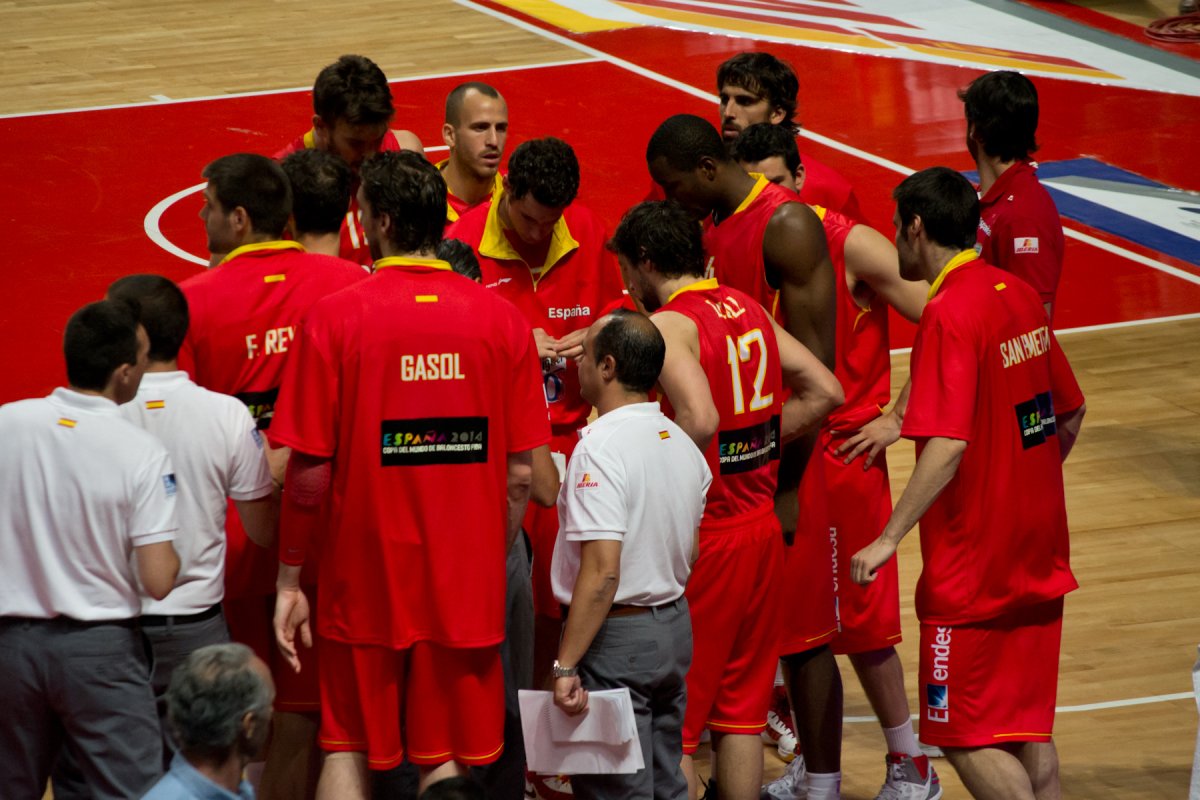
His most glorious achievement was helping Spain win a silver medal at the 1984 Los Angeles Olympics as a key player in Spanish-Argentine basketball. This was a historic breakthrough for Spanish basketball at the time! An Argentine becoming a hero for Olympic basketball in Spain is a fascinating story in itself. Here are some of the major honors he won for the Spanish national team:
| Year | Tournament | Medal |
|---|
| 1983 | European Basketball Championship | Silver Medal |
| 1984 | Los Angeles Olympic Games | Silver Medal |
The Continuation and Debate of “Naturalization”
De la Cruz is not a unique case. The Spanish sports world, especially in basketball and football, has a long tradition of “naturalization.” The reasoning is quite straightforward: Spain and Latin American countries share common linguistic and cultural roots, making it easier for players to adapt. Moreover, the high level of Spain’s professional leagues, a major draw for top talent, was evident in the classic Spain vs. Argentina basketball final. In recent years, while the origins of players have become more diverse—for instance, the inclusion of American-born Lorenzo Brown has sparked considerable debate, with even the Argentine national team’s coach commenting on the matter. This shows that how “foreign-born” players integrate into a national team is always a hot topic. Some see it as a shortcut to boost competitiveness, while others feel it dilutes the national team’s purity.
What are your thoughts on this phenomenon? Is it all about performance, or does heritage matter more? Besides basketball, do you know of similar stories in other fields? Feel free to discuss in the comments below!
