Every time a holiday ends and it’s time to pack up and go home, figuring out what to pack is always a headache. Browsing through Spanish supermarkets filled with enticing foods, it’s tempting to take something back for your family and friends to try. Jamón ibérico, Manchego cheese, sherry wine… you start to drool just thinking about it. But here comes the question: Are you actually allowed to bring these Spanish delicacies back home? As someone who’s learned the hard way about what can and can’t be transported (see Spanish foods you can bring home), let me share insights based on real experiences.
It’s important to remember the most critical rule: Any kind of raw meat product, especially whole bone-in jamón ibérico legs, is absolutely, absolutely, absolutely forbidden to bring into most countries! This is primarily because of strict animal quarantine laws designed to prevent animal diseases such as foot-and-mouth disease. So even if you spot beautifully packaged ham in the duty-free shop, don’t take any chances. If customs finds it, not only will it be confiscated, but you may also face a fine. I naively thought vacuum-sealed packaging would be fine, but in the end, I had to say a teary goodbye to my beloved ham.
So, which items are in the “safe zone”? The good news is that most Spanish specialties are generally allowed. For example, extra virgin olive oil, various flavors of canned olives, anchovies, sardines, and other seafood preserves make excellent gifts. Plus, Christmas treats Spaniards love such as Turrón, as well as various chocolates, pastries, and cookies—these are usually commercially processed and vacuum sealed, and almost always get through customs without any problem. Just remember that anything liquid must be carefully packed and stowed in checked luggage!
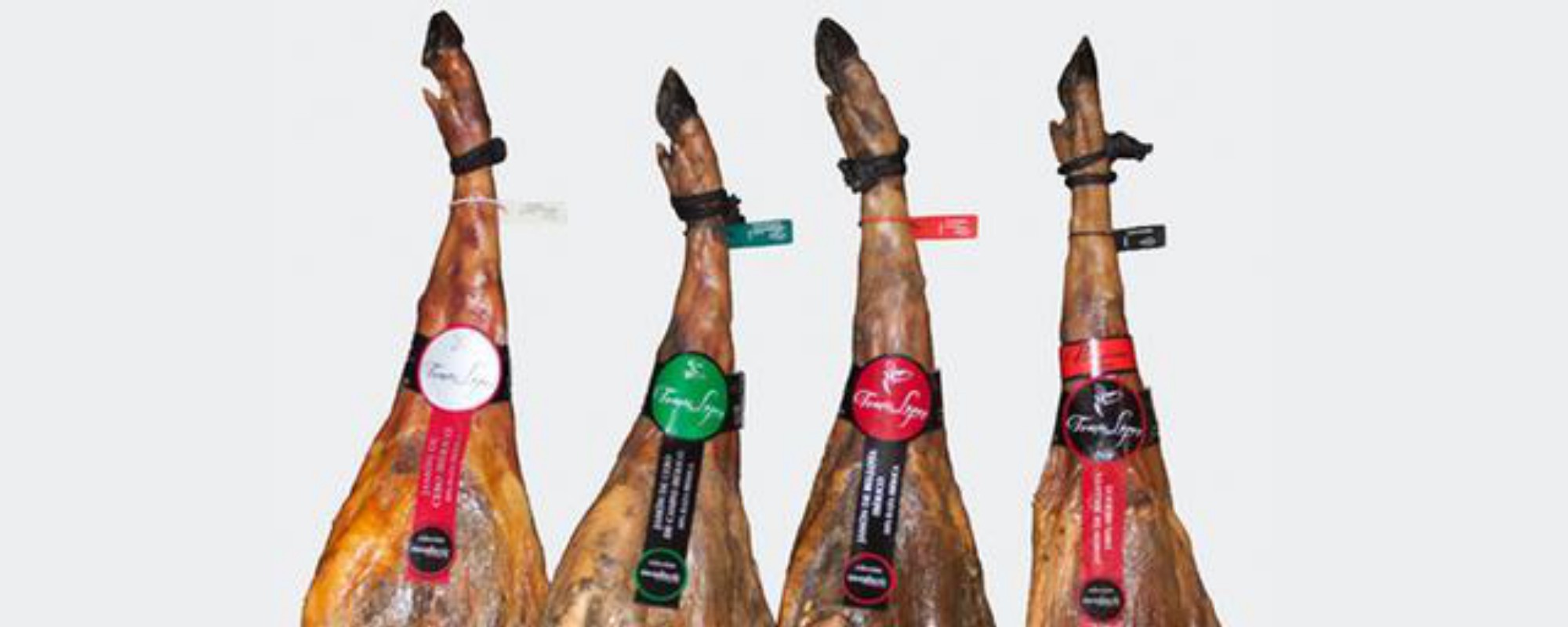
Let’s talk about the “gray area”—cheese is probably the trickiest. Regulations state that milk and dairy products are controlled. But based on my own experience and accounts from friends, commercially vacuum-packed hard cheeses usually pass through customs without much trouble. However, unpasteurized, fresh, or soft cheeses carry a much higher risk. To make it easier to understand, here’s a simple chart:
| Food Category | Can You Bring It Home? | Packing & Declaration Tips |
|---|
| Jamón ibérico | Strictly Forbidden | Best to give up on this. Try commercial canned meats as an alternative |
| Cheese | Depends | Hard, commercially vacuum-packed cheese is more likely to be allowed; soft cheeses are much riskier |
| Olive oil | Permitted | Be sure to pack it well and place it in your checked baggage |
| Seafood/Vegetable Cans | Permitted | Safe choices with lots of variety, making them excellent gifts |
| Candy/Cookies/Turrón | Permitted | As long as they’re commercially packaged and sealed, there are rarely any issues |
| Fresh fruits/vegetables | Strictly Forbidden | Like raw meat, these fall under plant quarantine and are not allowed |
To sum up, here are a few quick tips: First, before you travel, check your destination’s latest customs regulations, as policies can Spanish food return changes from time to time. Second, no matter what you’re carrying, make a habit of declaring honestly—honesty is always the best policy. Third, keep your receipts to show customs the value and source of your items. I hope this post helps more people bring Spanish foods you can safely bring home to eat delicious Spanish treats back home safely! Feel free to leave a comment below with your success stories or any lessons learned from past mistakes!
