Having just arrived in Spain, a topic that always comes up when chatting with friends about local specialties is the thrilling Running of the Bulls. Those people on TV, dressed in white with red scarves, dashing in front of the bulls—we usually call them ‘bull runners’ or ‘Corredores.’ But who are they really? Are they all professionals? Today, I’d like to talk about this topic with everyone.
In fact, the vast majority of bull runners are not professionals. They are ordinary people from all walks of life. Some are local residents of Pamplona who see it as an annual tradition they must partake in; others are adventurers from around the world, drawn by the unique adrenaline rush. For the locals, it’s a matter of honor, a proof of manhood, and a tribute to the tradition of the San Fermín festival.
Preparation and Risks of Bull Running
Don’t be fooled by the run, which lasts only a few minutes; it’s anything but a display of reckless courage. Experienced runners know every corner of the course, such as where to accelerate and which corner offers a temporary escape. They require excellent explosive power, quick reflexes, and extraordinary courage. Of course, the risks are very real. Every year, there are reports of injuries and even fatalities at the festival, ranging from scrapes and fractures to being gored by a bull’s horn. Every step can be a test of life and death. So, never think it’s just a game.
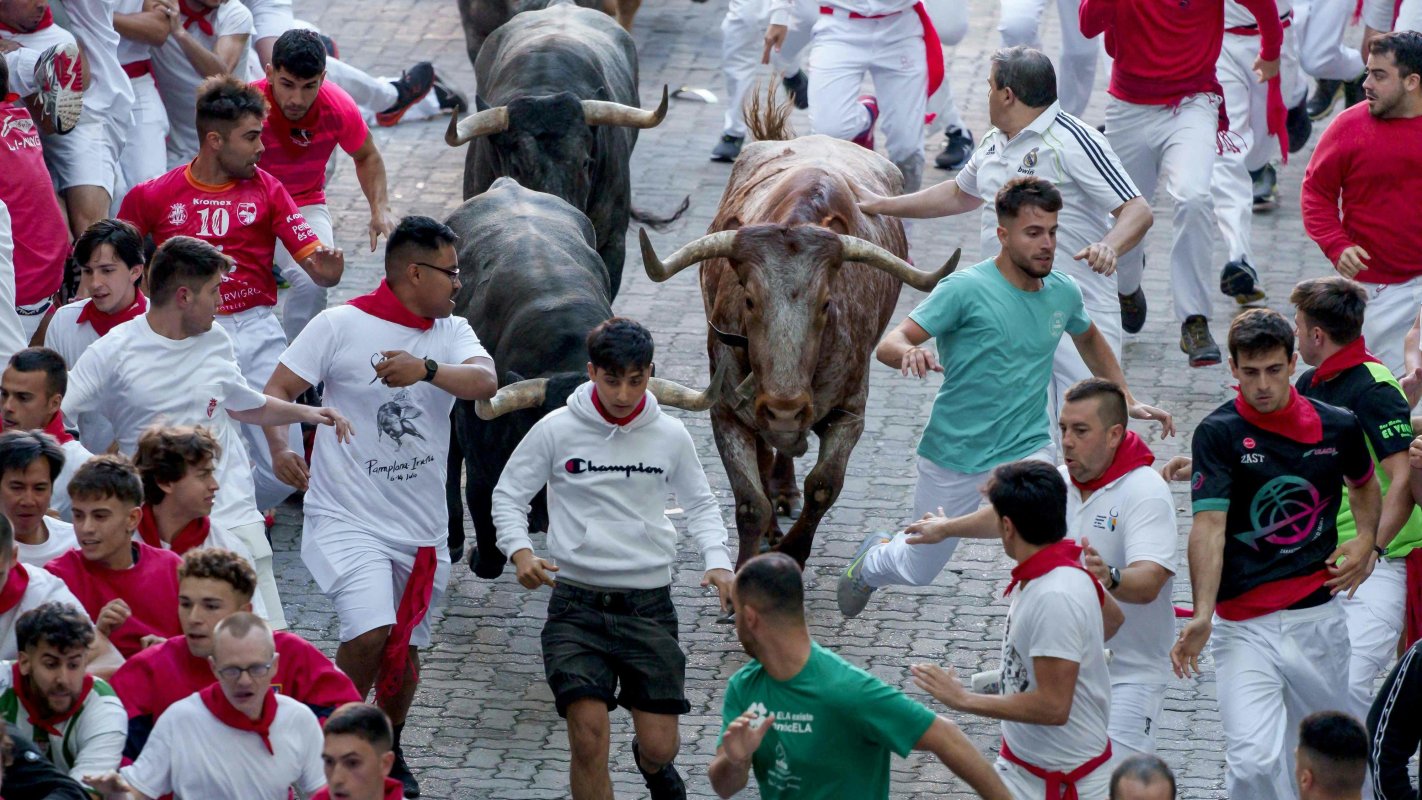
Basic Advice for Participating in the Bull Run
If any friends on the forum are thinking of taking on the challenge, safety always comes first. There’s an unwritten rule at the Running of the Bulls festival where novices usually attempt it under the guidance of experienced runners, choosing a relatively safer part of the route. Here is some basic advice:
| Item | Recommendation |
|---|
| Physical Condition | Ensure you get enough sleep the night before and do not drink any alcohol. |
| Attire | You must wear white clothes, a red scarf, and running shoes with good grip. |
| Starting Position | Novices are advised to choose the latter half of the route, which is closer to the final plaza. |
| Running Strategy | Always look forward, do not stop or run backward, and never provoke the bulls. |
This tradition of bull running has always been controversial, primarily concerning animal welfare. Many people consider it animal cruelty and a symbol of barbarism. On the other hand, some argue that it is a deep-rooted cultural heritage of Spain, representing power, courage, and the primal relationship between humans and nature. This topic is frequently debated in Spanish society, with no absolute right or wrong. What are your thoughts? Do you think this is a cultural tradition that should be preserved, or an outdated activity that should be banned?
