Lately, there have been more and more discussions on the forums about pathways from a diploma to a master’s degree. Many of you have sent me private messages asking if it’s possible to study for a master’s in Spain after graduating from a three-year college program. As someone who’s been through it, I can tell you with confidence: Absolutely, yes
! While it’s not the most common path, it’s definitely possible. It just requires more careful preparation compared to students with a bachelor’s degree, and you’ll need to put more thought into finding the right Spanish universities accepting associate degree students
.
In Spain, master’s degrees are divided into two types: official master’s (título oficial) and university-specific master’s (título propio). The application requirements for official master’s degrees are typically stricter, usually requiring a bachelor’s degree. However, many university-specific título propio master’s programs have more flexible requirements for applicants’ backgrounds, with a strong emphasis on work experience. Some private universities and business schools are particularly open to associate degree holders with practical experience, as they view your professional background as a valuable asset.
Below, I have compiled a list of some universities and program areas that are relatively friendly to associate degree students based on general knowledge about Spanish university admissions. Of course, this is just the tip of the iceberg, and you are welcome to add more in the comments section!
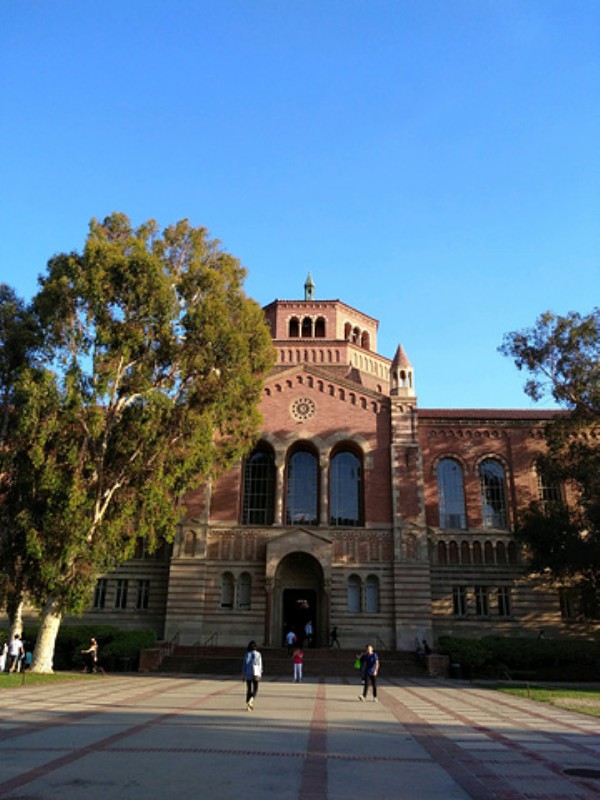
A Reference List of Friendly Institutions
| University Name | Region | Application Tips |
|---|
| Nebrija University | Madrid | A renowned private university in Spain. Its título propio master’s programs in business, tourism management, etc., are very welcoming to associate degree holders with work experience. |
| EAE Business School | Madrid/Barcelona | One of Europe’s top business schools. Many of its programs accept the combination of an associate degree + work experience, but they have high standards for language proficiency and interviews. |
| ESIC Business & Marketing School | Madrid, etc. | A powerhouse in the field of marketing. Its título propio programs place great importance on practical background, and the success rate for associate degree applicants is quite high. |
| Universidad Católica San Antonio de Murcia (UCAM) | Murcia | There are successful admission cases for associate degree holders in its título propio programs in fields like sports management and business. It’s worth giving it a shot. |
Key Application Points
To secure a spot, just having a list of schools isn’t enough. The following points are crucial:
- Work experience! Work experience! Work experience
! I can’t stress this enough. It’s best to have at least 2-3 years of full-time work experience relevant to your desired program. This can significantly compensate for not having a bachelor’s degree.
- Language Proficiency: For Spanish-taught courses, a DELE B2 or SIELE B2 certificate is the basic requirement, and the higher your level, the better. This is fundamental for attending classes, communicating, and writing your thesis.
- Application Documents: Carefully prepare your CV and motivation letter. In your letter, you must clearly explain why you chose this program, how your work experience aligns with the curriculum, and what your future career plans are. Show the admissions officer your potential and sincerity.
Do not use a template! Make sure to highlight your unique qualities.
For students with an associate degree wanting to pursue a master’s in Spain, choosing the right school and program is the first step. An impressive work history and a sincere set of application documents are your keys to getting into your dream university. The road may be challenging, but the destination is absolutely worth it. I hope this post gives you some confidence and direction. If you have any questions, feel free to discuss them in the thread. Let’s do this together!
