Introduction
Europe’s largest low-cost airline, Ryanair, recently announced its decision to implement large-scale route reductions in 2026 due to dissatisfaction with the rising aviation taxes and airport fees in several European countries. This move is expected to cut approximately 3 million seats, posing a significant challenge to the budget travel market in Europe.
Germany: The Hardest-Hit Area for Capacity Cuts
Among all affected countries, the German market faces the most severe capacity cuts, with an estimated 800,000 seats to be cancelled. Ryanair has confirmed the year-round suspension of its operations at three airports starting in 2026: Leipzig, Dresden, and Dortmund. Furthermore, routes at major hubs, including Berlin, Hamburg, and Cologne, will also be significantly reduced. This decision stems from sharp disagreements between Ryanair and the German government over security fees and aviation taxes.
Spain: Base Closures and Route Suspensions in Parallel
As a popular European holiday destination, Spain will see a reduction of 1.2 million seats in this adjustment. In addition to tax disputes, Ryanair also has disagreements with the Spanish airport operator, Aena. Specific changes include: completely ceasing flights to five airports, including Asturias, Vigo, and Tenerife North; closing its operational base in Santiago de Compostela; and reducing flight frequencies to destinations like Santander and Zaragoza.
France: Regional Airport Network Continues to Shrink
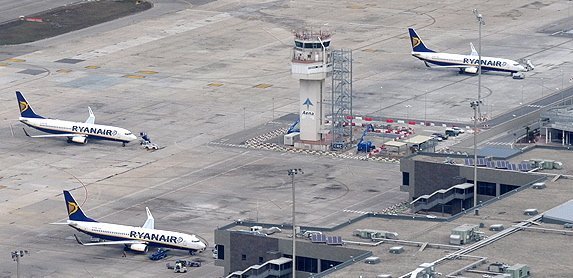
France’s regional airports have not been spared. Ryanair has most recently announced that, due to unacceptable high environmental taxes, it will cease all operations at Clermont-Ferrand Auvergne Airport from March 27, 2026. This means routes to London, Porto, and Fez will no longer exist. Meanwhile, routes in Brive and Strasbourg will remain suspended. Company executives have clearly indicated that they may withdraw from more secondary and tertiary city airports in France in the summer of 2026.
Market Impact: Travelers Face Fewer Choices and Higher Prices
Ryanair’s ‘great retreat’ strategy is widely seen as a business tactic to pressure European governments, aimed at resisting continually rising operational costs. However, the direct consequences of this strategy will be borne by ordinary travelers. The reduction in flight options will almost inevitably lead to an increase in the price of remaining tickets, potentially signaling the end of the golden era of ‘dirt-cheap’ flights in Europe.
