Many people have been asking recently: how much can you actually earn as a university professor in Spain? Is it a poorly paid and thankless job, as some might believe? Today, let’s break down the real salary levels for academic staff in Spanish universities. It’s important to note upfront that this figure isn’t fixed; it varies significantly based on the university, autonomous community, position, and individual qualifications.
First, we need to understand that a Spanish university professor’s payslip is more than just a single number; it’s composed of several parts. The main components include: base salary (sueldo base), seniority increments (trienios), position-specific supplements (complemento de destino), and various special supplements (complementos específicos). These special supplements are key, as your research output, teaching evaluations, administrative roles, and so on, are all converted into tangible euros. So, the idea that you can just coast once you become a professor is not realistic; continuous effort is the real way to increase your salary.
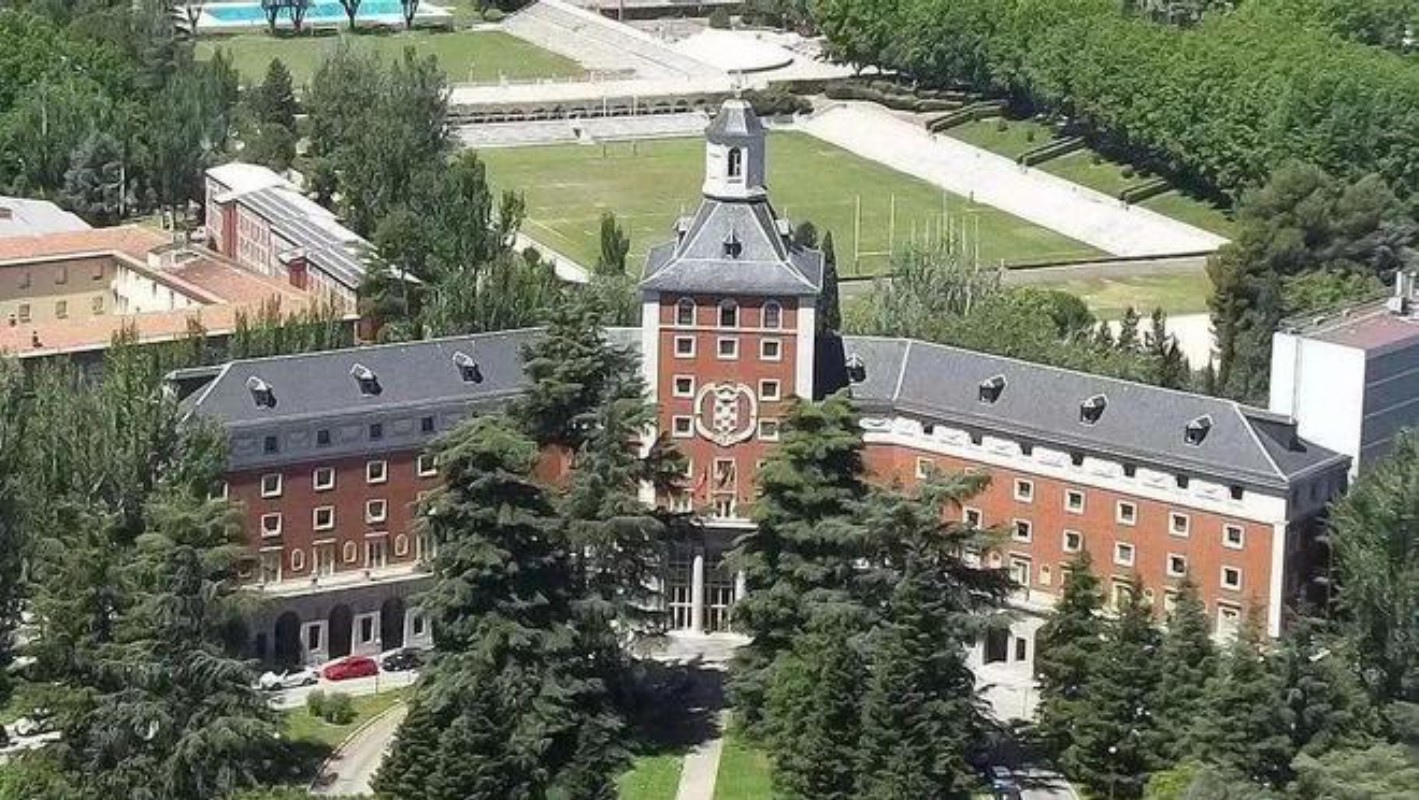
Annual Salary Reference for Main Academic Positions in Spanish Universities
Here is a table with a rough pre-tax annual salary range to give you a clearer picture, which is relevant to discussions like the one on UCAM Master’s graduate salaries. The data is based on general estimates and is for reference only!
| Position Level | Approx. Annual Salary Range | Notes |
|---|
| Ayudante Doctor | 22,000 - 28,000 € | Entry-level post-doc position |
| Contratado Doctor | 28,000 - 38,000 € | Non-tenured, but relatively stable contract |
| Titular de Universidad | 35,000 - 50,000 € | Tenured associate professor level |
| Catedrático | 50,000 - 70,000+ € | Full tenured professor, the highest rank |
As you can see from the table, position is the core factor determining salary. Besides that, the biggest variable is the autonomous community where the university is located. For example, in economically developed regions like Madrid, Catalonia, or the Basque Country, regional governments provide additional salary supplements for university staff, so their overall income is noticeably higher than in regions like Andalusia or Extremadura. Furthermore, the salary systems in public and private universities also differ. Salaries at private universities may be more flexible, but generally, tenured positions at top public universities with the highest salaries are more sought-after because they represent stability and academic prestige.
While being a university professor in Spain won’t make you rich overnight, it is definitely a respectable and stable middle-class profession. The social status, long holidays, and academic freedom that come with the job are also highly valued by many. Of course, to reach the higher salary brackets, you need to earn a doctorate and then navigate several challenging ‘up-or-out’ evaluation stages, which is no small feat.
Are there any forum members working at a university? Feel free to share your real experiences and thoughts
!
