In recent years, major Spanish cities like Madrid and Barcelona have seen a significant increase in both the supply and demand for micro-apartments. These properties, often much smaller than traditional standards, have sparked widespread public concern about their legality.
Market Trend: The Rise of the Micro-Apartment
On major Spanish property portals like Idealista, listings such as “17m² for €600/month” or “a 20m² flat for sale at €72,000” are increasingly common. This phenomenon reflects the strong demand for compact, lower-priced housing in central urban areas. However, faced with such small spaces, many potential renters and buyers can’t help but wonder: is it legal to live in what feels like a ‘shoebox’ apartment?
The Key to Legality: The Occupancy Permit, Not Square Footage
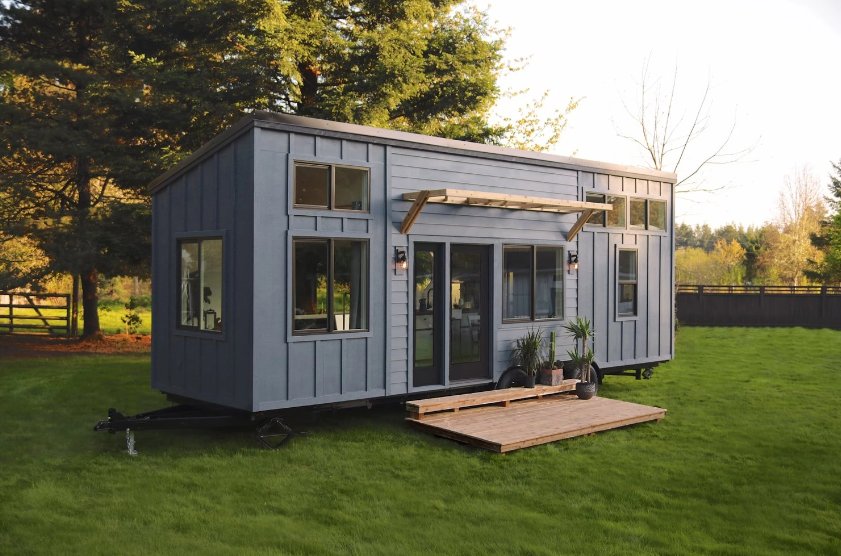
In fact, there is no national Spanish law that directly specifies a minimum floor area for a dwelling, thereby prohibiting the transaction of small apartments. Whether a property can be legally used as a residence is determined by whether it has obtained a ‘Certificate of Occupancy’ (Cédula de Habitabilidad), a ‘First Occupancy License’ (Licencia de Primera Ocupación), or an equivalent administrative permit issued by the regional government. As long as a property holds these valid documents, it can, in theory, be legally used for living, renting, or selling. The floor area itself is not the primary legal barrier.
Building Codes: Differences Between Old and New Standards
Although floor area is not a direct prohibition, obtaining an occupancy permit requires a property to meet a series of basic conditions set by the Building Management Act (Ley de Ordenación de la Edificación) and the Technical Building Code (Código Técnico de la Edificación). According to current general standards, a compliant new-build home should have at least:
- Usable Floor Area: Generally required to be no less than 36 square meters.
- Ceiling Height: A standard of 2.5 meters, with kitchens, bathrooms, and hallways no lower than 2.2 meters.
- Basic Facilities: Must be equipped with a separate kitchen and bathroom, and guarantee complete water and electricity supplies, a drainage system, and telecommunications connections.
- Physical Conditions: All habitable spaces must have direct access to natural light and ventilation.
Exceptions and Grey Areas
It is important to note that the above standards primarily apply to new constructions or properties recently converted from other uses, such as commercial spaces. For the many older buildings constructed under previous regulations, their residential status is still recognized even if their floor area, ceiling height, or other features do not meet current standards, because they were legally permitted at the time of construction. Conversely, all new projects must strictly adhere to the latest regulations of their respective autonomous community and city. In Madrid, for example, new rules have more detailed restrictions on the minimum functional space division, the ratio of window area to floor area for lighting, and specific room dimensions. This places some newly built micro-apartments in a legal grey area, making their compliance more uncertain.
