A Lottery List That Reads Like a “Family Tree”
The Les Naus residential complex in Alicante, Spain, an affordable housing project with just 140 units, has recently become a focal point of public debate due to its “coincidental” list of winners. A deep dive into the list reveals it reads like a “who’s who” of local families.
According to statistics, more than ten complete family surnames appear in the project. For instance, the López Godoy family obtained three homes, the Arenas Lorente family got two, and several other families like Cerdán Fábregat and Mira Lillo also won in pairs. More strikingly, the Izaguirre family, sharing a surname with the project’s notary, is also on the list. Furthermore, the family of the former Urban Planning Director, Pérez-Hickman, who had previously resigned over this matter, not only had two children selected but also a nephew who successfully secured a home.
“Precise” Floor Allocation
Beyond the selection of winners, the allocation of apartment locations is also fraught with suspicion. Records show that the president, vice-president, and secretary responsible for the administrative management of the housing cooperative all coincidentally drew penthouse apartments (Atico). Not only that, the owner of Fraorgi, the company managing the project’s daily affairs, also happened to own a residence on the top floor of the same project. This high degree of “coincidence” has intensified public speculation about insider manipulation.
Application Requirements and Official Investigation
This project falls under privately promoted affordable housing (Vivienda de Promoción Privada, VPP), aimed at helping low-to-middle income families find homes in prime locations. There are strict regulations for applying for this type of housing: first, the annual family income must not exceed 6.5 times the IPREM (Public Multiple Effects Income Indicator), which is approximately €55,000 before taxes; second, no family member may own any other real estate.
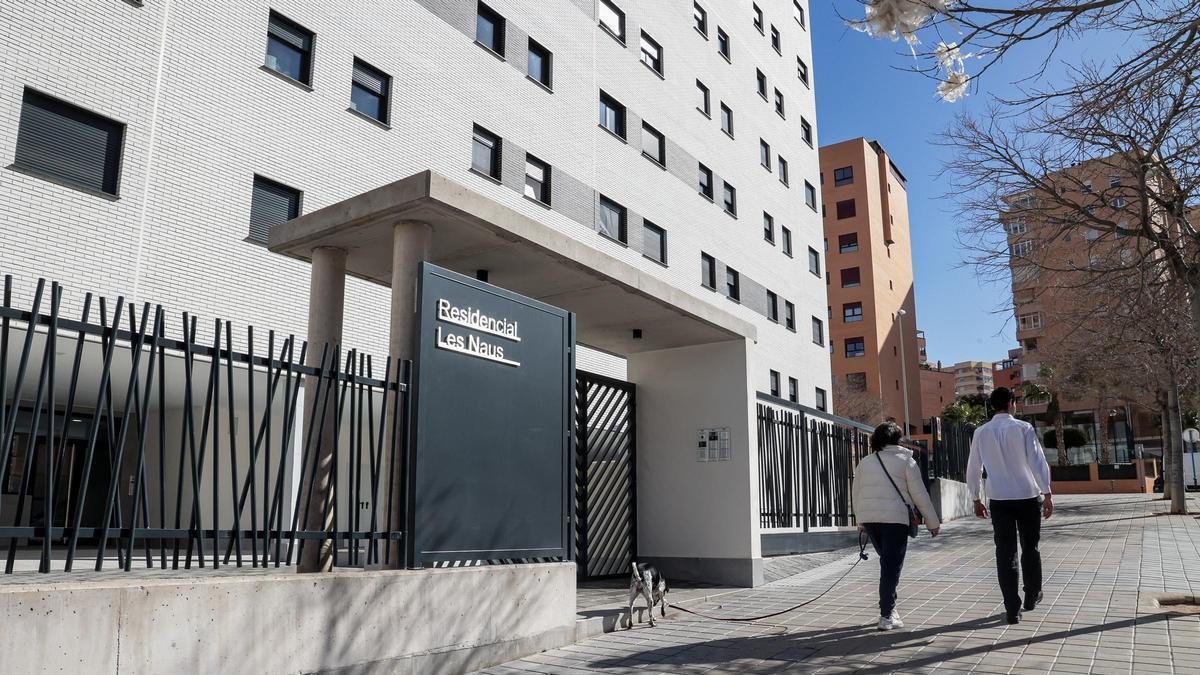
Although a preliminary review shows that the officials involved met the application requirements on paper, the act of “insiders” receiving priority access to resources has crossed the line of social fairness. Facing public questioning, the project management explained that because the project was interrupted by a lawsuit, it prioritized applicants from a 2018 interest list upon restarting. However, according to the updated housing law of the Valencian Community from May 2025, any act of fraudulently obtaining social housing qualifications will face a hefty fine of up to €30,000.
Currently, the government of the Valencian Community has initiated a review of all approval processes, promising to ensure transparency in future allocations. Meanwhile, several opposition parties have submitted the case to the prosecutor’s office, and one political party has requested police intervention to prevent these social housing units from being illegally used for rental profit.
