A Groundbreaking Surgery
On February 2, 2026, the Hospital Vall d’Hebron de Barcelona in Spain announced the completion of a world-first medical achievement. A medical team of over one hundred specialists successfully performed a partial face transplant on a female patient named Carme. The groundbreaking significance of this surgery lies in the fact that the facial tissue was sourced from a donor who underwent euthanasia and subsequent cardiac arrest. This is a global first, pioneering new ethical and technical pathways in the field of organ transplantation.
The Patient’s Long Journey to Recovery
The patient Carme’s life was changed by an unfortunate trip. While traveling in the Canary Islands, a mosquito bite led to a bacterial infection on her face. The rapid spread of microorganisms caused severe tissue necrosis. This not only completely destroyed her facial features but also severely affected basic physiological functions such as breathing, eating, and speaking, making a normal life impossible for her. After a long wait, this unique organ donation brought her the hope of a new life. During the surgery, doctors successfully transplanted the donor’s upper lip, nose, eyelids, and parts of the face and scalp onto Carme’s face.
The History and Challenges of Face Transplants
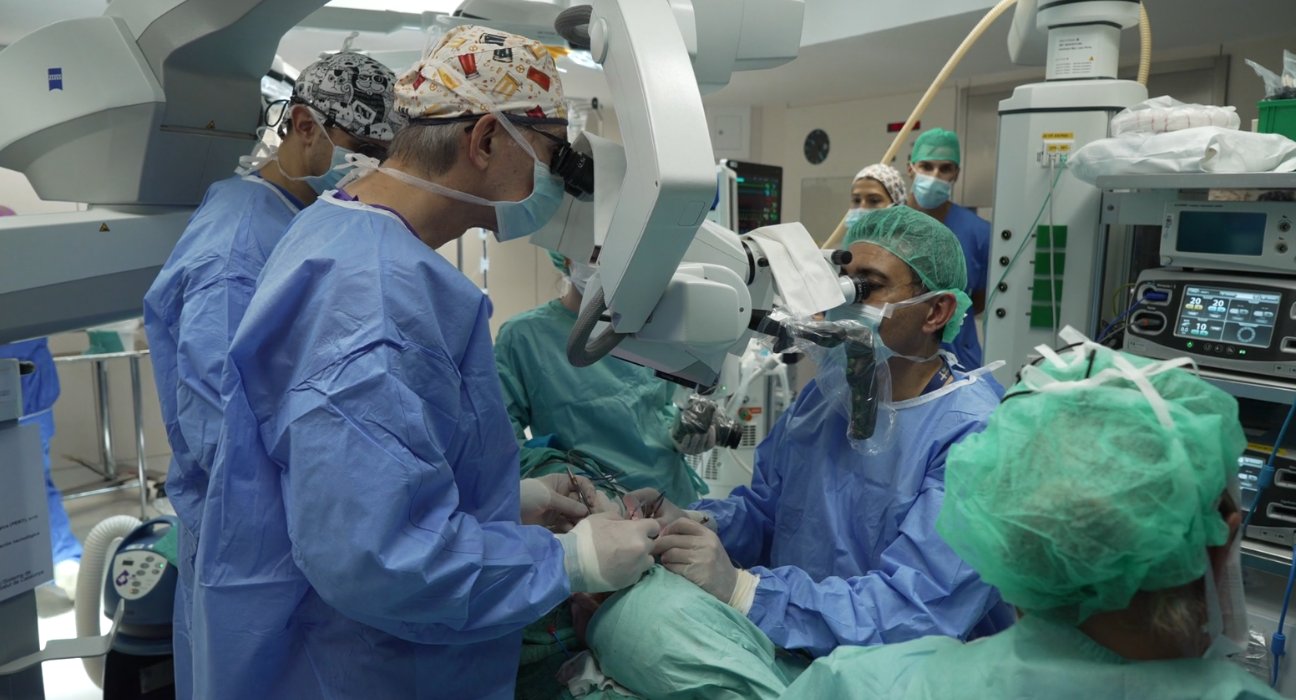
Although sci-fi movies like the 1997 film ‘Face/Off’ depict face transplants as a straightforward procedure, the reality of medical exploration is fraught with challenges. The world’s first successful face transplant was performed on November 27, 2005, at the Amiens University Hospital in France. The patient, Isabelle Dinoire, survived for 11 years after the surgery. In the nearly three decades since, only about 50 similar surgeries have been performed worldwide. The field remains high-risk: data shows that approximately 5% of grafts are lost post-surgery due to rejection, and a further 22% of patients have unfortunately passed away, highlighting the procedure’s extreme complexity.
Spain’s Pioneering Role in Transplantation
Spain, and particularly hospitals in the Catalonia region, has always been at the forefront of face transplantation. Vall d’Hebron Hospital itself has extensive experience, having successfully performed similar surgeries in 2010 and 2015. Of the six face transplants performed in Spain to date, Catalan medical institutions have consistently played a key role. This latest surgery once again demonstrates the high degree of specialization required for this technique. It demands sophisticated neurovascular microsurgery to precisely reconnect tissues such as skin, muscle, nerves, and bone, maximizing the restoration of the patient’s facial function and sensation.
