Overall Employment Improves, Yet Structural Imbalances Emerge
Spain’s labor market reached a significant milestone in 2025. According to the “Spanish Labor Market Trends Report” published by the Public State Employment Service (SEPE), approximately 605,000 new jobs were created during the year, raising the total number of employed people nationwide to 22.4 million. For the first time since the 2008 financial crisis, the unemployment rate fell below 10%, dropping to 9.93%.
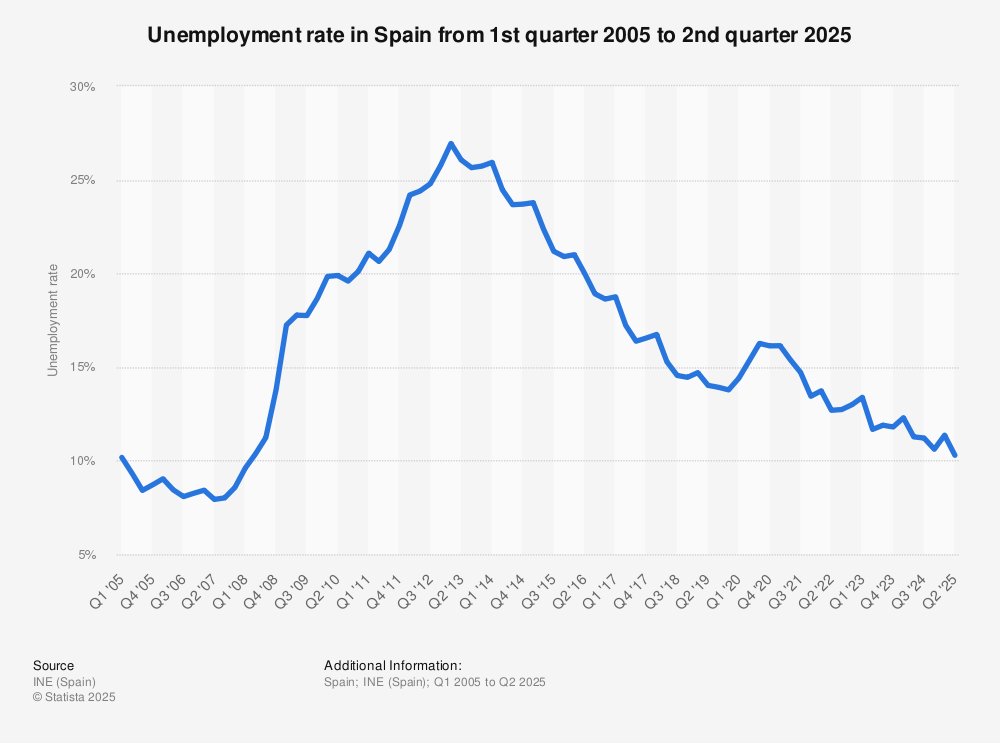
However, the report also indicates that the improving job market has not benefited all demographics, with unemployment among youth, individuals over 45, and women remaining a serious issue. More concerningly, the phenomenon of companies being unable to fill vacant positions is becoming increasingly common.
The Three Core Issues Behind Hiring Difficulties
SEPE’s analysis reveals that approximately 43% of job vacancies are classified as “hard-to-fill,” driven by three main structural problems. First is the skills mismatch, where the skills available in the labor market do not align with corporate needs. Second, the working conditions, environment, and compensation for some positions lack appeal, making it difficult to retain talent. Lastly, traditional skilled trades face an aging workforce with no successors, leading to a generational talent gap.
Labor Gaps Widen in Six Major Industries
The labor shortage is particularly acute in specific sectors, concentrated mainly in these six areas:
- Construction and Traditional Skilled Trades: There is a severe shortage of skilled bricklayers, electricians, carpenters, and heavy machinery operators.
- Transportation and Logistics: Due to high work intensity and long training periods, positions such as truck drivers are persistently difficult to fill.
- Hospitality and Services: While demand for restaurant staff and hotel receptionists is high, employee turnover is strong, and seasonal labor shortages are significant.
- Healthcare and Nursing: As the population ages, the demand for doctors, nurses, and elderly care personnel continues to grow.
- Information Technology and Digital Roles: Digital talent for software development, IT support, and data analysis are among the most sought-after resources.
- Education and Vocational Training: There is an insufficient supply of qualified instructors in the technical and vocational education sectors.
Supply-Demand Mismatch is the Root of the Problem
The core of this employment paradox lies in the significant disconnect between labor supply and market demand. Companies urgently need blue-collar workers with practical skills, highly specialized IT and engineering professionals, and dedicated healthcare staff. However, a large portion of the current job-seeking population holds degrees in humanities or general business, lacking the specialized skills required by specific industries. Furthermore, there is low willingness to take on manual labor or low-paying service jobs, ultimately creating a structural deadlock where there are “people without jobs, and jobs without people.”
