Outbreak Overview: 9 Cases Concentrated in Galicia
According to information released by the health authorities of the Autonomous Community of Galicia on February 3, 2026, the region is experiencing a new cluster of Mpox cases. To date, a total of 9 confirmed cases have been recorded, showing a clear geographical concentration, with 7 of them located in the province of A Coruña.
The preliminary epidemiological investigation by the health department indicates that the complete transmission chain of the outbreak is still being clarified. However, leads have already linked two of the infection cases to a sauna establishment in the city of A Coruña. Relevant departments are currently tracking and investigating contacts to control the further spread of the outbreak.
Transmission Routes and Key Characteristics
The transmission of the Mpox virus primarily relies on close physical contact between people. Spanish health experts emphasize that the main mode of infection is direct contact with an infected person’s skin lesions, body fluids, or contaminated materials. Additionally, prolonged face-to-face contact, such as hugging and kissing, as well as sharing items like cups, can also pose a transmission risk. There is also a possibility of vertical transmission from mother to baby.
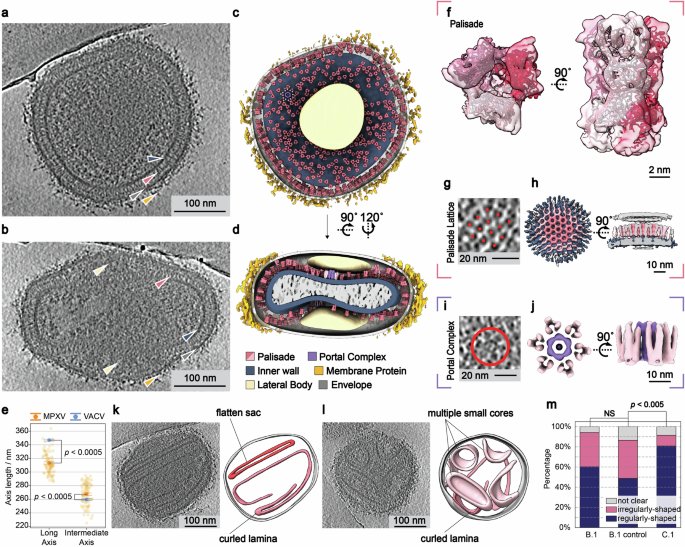
A key epidemiological characteristic is that the Mpox virus is only contagious after an infected person develops clinical symptoms. During the asymptomatic incubation period, the virus is not transmitted. This feature provides a crucial window for public health intervention. By promptly identifying and isolating symptomatic patients, the virus’s transmission chain can be effectively broken.
Official Assessment: Widespread Transmission Risk is Extremely Low
Despite the emergence of this new cluster, Spanish health authorities maintain a cautiously optimistic stance on the current situation, assessing the risk of Mpox causing widespread transmission within Spain as “extremely low.”
This assessment is based on several factors. Firstly, Spain has accumulated significant experience in public health management and clinical treatment from dealing with previous Mpox outbreaks. Secondly, the virus’s mode of transmission is relatively specific, requiring close contact, which limits its ability to spread rapidly and widely. Mature surveillance and response systems enable health authorities to intervene quickly and control local outbreaks.
Control Strategy: Focusing on High-Risk Groups
In response to the current outbreak in Galicia, local health authorities have initiated targeted control measures. Given the transmission characteristics of Mpox, the focus of control efforts is on the management and protection of high-risk groups.
Specific measures include two core aspects: first, strengthening health education and intervention for high-risk behaviors, promoting safer social contact practices; second, promoting and implementing a preventive vaccination program among high-risk populations. By increasing the immunity levels of key groups, an effective immune barrier can be established, thereby preventing the virus from establishing sustained community transmission.
